Guest Blogging for Link Building: 8 Pitfalls to Avoid

Link building can be a powerful traffic acquisition tool in the hands of a capable blogger, or it can be a metaphorical black hole that only consumes energy and effort with no tangible SEO results.
Where is the dividing line? Aside from fluff, there aren’t inherently good or bad bloggers; most are talented in their own domain. However, some bloggers are experienced and willing to improve day by day, while others repeat the same unfortunate link-building mistakes.
If you want to do guest blogging right, as the first experienced category does, and build links professionally, you should avoid eight known pitfalls. This post explains each one, including the SEO consequences and how to avoid the pitfall in the first place.
Table of Contents:
What is Guest Blogging for Link Building?
Guest blogging for link building means writing an article for another website with the goal of earning a backlink to your own site. You contribute valuable content to a relevant blog, and in return, you receive a contextual link that helps your pages gain authority, visibility, and trust in search engines.
A guest post works when three things align:
- The hosting site is authoritative (strong traffic + clean backlink profile).
- Your content is relevant to the site’s audience and niche.
- Your link is placed naturally within helpful, well-written content.
This is why guest blogging remains one of the most reliable and transparent link-building methods. When done right, it builds your brand, improves topical authority, and strengthens your long-term SEO growth.
Why Guest Blogging Backlinks Matter?
Guest blogging backlinks are not “just links”. They are editorial endorsements. Search engines treat them as a signal that another trusted website believes your content deserves attention. This makes them more valuable than automated or low-quality link placements.
Here’s what makes them important:
- Strengthen Domain Authority
- High-authority sites linking to you increase overall trust and help your site grow stronger over time.
- High-authority sites linking to you increase overall trust and help your site grow stronger over time.
- Improve Keyword Rankings
- One strong, contextual link can boost rankings for the linked page and its surrounding keyword cluster.
- One strong, contextual link can boost rankings for the linked page and its surrounding keyword cluster.
- Drive Real Referral Traffic
- Guest posts bring actual users from relevant blogs, not just algorithmic link equity.
- Guest posts bring actual users from relevant blogs, not just algorithmic link equity.
- Build Topical Relevance
- Links from niche-specific sites help Google understand your subject area and improve rankings for related keywords.
- Links from niche-specific sites help Google understand your subject area and improve rankings for related keywords.
- Expand Brand Presence
- Repeated exposure on reputable blogs increases brand searches, which indirectly improves SEO performance.
- Repeated exposure on reputable blogs increases brand searches, which indirectly improves SEO performance.
- Compounds Over Time
- Consistent guest blogging builds momentum: each new relevant link strengthens the impact of the previous ones.
- Consistent guest blogging builds momentum: each new relevant link strengthens the impact of the previous ones.
Major Pitfalls to Avoid in Guest Blogging
Before you start publishing guest posts, it’s important to understand the common mistakes that can weaken your results or even harm your SEO. Here are the major pitfalls to watch out for:
1. Targeting Low-Authority Websites
The Pitfall Explained
Many guest posting campaigns fail because the blog looks relevant but has no real strength in search. Authority is not a logo, a design template, or a large archive of posts. It’s the measurable result of consistent backlinks, trust signals, and historical performance.
When you publish on a site with weak domain strength, you pass almost no value to your website.
For anyone starting with guest blogging, there is often a temptation to create more posts and publish them all over the web. There is nothing bad in creating quality content fast, nor publishing it; the weak point and the known pitfall is mistaking quantity for quality.
Consequences for SEO
SEO harm may not be visible in the short run. More often than not, the consequence is the absence of business growth. You think you’ve done a great job, just because you picked and approached hundreds or thousands of websites. However, the true value of your outreach is very low, because out of those websites, only a few are really worthy.
Key SEO consequences:
- No movement in target URL rankings after repeated postings.
- Links that don’t get crawled or indexed often enough.
- A fragmented profile that suggests low-value partnerships.
- No compounding benefit from interlinked authority sites.
- Campaign fatigue caused by the poor ROI of time.
Weak placements don’t hurt instantly. They work against your SEO gradually and can cause you significant damage in the long run.
How to Avoid It
Effective avoidance comes from checking the environment in which your content will live. In 99% of cases, not just a single, but multiple signals indicate a low-quality domain.
To avoid this pitfall, consider these three steps:
- Confirm that the site ranks high in its topic.
- Review external backlinks with tools and manually to see real trust signals.
- Check traffic trends to have data to back up your decisions.
It’s better to end up with a few, but authoritative links, than to get all sorts of troubles (low traffic, low engagement signals, Google penalties, etc.) from the mass-earned bad links.
2. Working With Unverified Outreach Providers
The Pitfall Explained
Every industry has people promising shortcuts, and link building is no exception. Some outreach providers promise too much, but deliver too little. They lack transparency and flexibility.
You don’t get to see the websites in advance, you don’t know how they choose them, and the only proof you get is empty stats and customer reviews that look biased and artificial at first glance. It feels promising until you actually try it. But then your time and money are already gone.
That’s how guest posts end up on strangely generic blogs that rank for nothing at all. Once the links are live, fixing the damage means starting again, this time with a much smaller list of trustworthy domains.
Consequences for SEO
The painful part is that bad placements don’t always blow up immediately. On a spreadsheet, everything looks fine: you see links coming in, and you assume authority is growing. The problems show up later, when you notice that nothing really moves in search results, even though you’ve been “doing outreach” for months.
In practice, the consequences are fairly direct:
- Little to no ranking movement because the source domains have zero traction.
- A link profile that looks noisy, with random topics pointing toward your pages.
- Anchor text that doesn’t help relevance because the context is weak.
- No compounding lift from internal strategies built around real authority.
- A hidden cost: time spent cleaning your footprint instead of building it.
That loss of momentum is what hurts. Time is the most expensive part of link building, and you can’t get it back.
Once search engines start treating your links as background noise, fixing the problem takes more work than building properly from day one.
How to Avoid It
The only reliable approach is to keep the selection power in your own hands. Even if you use a platform or a partner, you should understand the logic behind every placement. Make it a habit to ask simple questions: “Where will the content go?” and “Why this site?”
You don’t need to check every site and every post; do it once in a while. That will be enough to spot problems early and to take corrective actions that will positively affect your entire link-building strategy.
Here is a basic checklist for you to avoid this pitfall:
- Check whether the site has traffic from search, not just social shares.
- Look for editorial consistency instead of random sponsored posts.
- Ask for three examples from the past month and review each placement manually.
- Keep a “do not use” list and share it with your provider.
Consider partnering with a reputable outreach service to implement a systemic approach and avoid excessive manual work. A good case to examine is Adsy, which many SEO teams use as a model for what an ethical guest posting service should deliver in terms of relevance and site quality.
A good partner helps you earn quality dofollow links from the best, high authority websites. A bad one just says “done” and leaves you holding the SEO risk. Taking time to verify a provider now is a smart move that will give you plenty of link-building opportunities and free up your time later.
3. Ignoring Niche Relevance
The Pitfall Explained
Some bloggers have a narrow view of blog posting, thinking that more posts all over the online space are always better. The wider the spread, the better the result, they think.
That narrow view ignores the importance of thematic alignment. The most effective links come from publishers operating in your subject area, sharing the same vocabulary, and speaking to the same audience. Search engines understand these signals as proof that the web shares your expertise.
When links come from random fields, the signal is unclear. Even strong content fails to contribute when you place it in a contextually inappropriate environment. Relevance is the multiplier in link-building.
Consequences for SEO
A scattered outreach pattern reduces the compounding value of your guest blogging backlinks. Instead of building depth in your subject, you create noise around your domain. That noise pushes your ranking potential sideways instead of upward.
Real SEO consequences include:
- Weaker authority signals, including earned backlinks, consistent high-intent traffic, and user engagement (shares, likes, downloads, etc.).
- Lower benefit from internal linking clusters on your site.
- Unclear topical association for your landing pages.
- Poor ranking momentum for competitive topics.
The result is excessive effort spent with minimal measurable outcome. Irrelevant posts just keep you busy, but it’s an illusion of activity, as your niche authority cannot form that way.
How to Avoid It
The solution is simple. Position every guest post inside your core subject. That means filtering opportunities by topic fit first, not convenience. This approach takes time, but the results are totally worth it.
Here are all the necessary steps explained:
- Document the specific themes you want authority in.
- Focus outreach on blogs ranking for those themes.
- Filter sites by their audience problems, not just traffic numbers
- Use keyword overlap as a relevance indicator.
As you adopt this routine, make sure you keep all accepted placements tied to your central narrative. Each link should strengthen the network of ideas that defines your brand’s expertise.
4. Overusing Exact-Match Anchor Text
The Pitfall Explained
Exact-match anchors are tempting because they feel like you’re “telling Google” what the page is about. But Google doesn’t need to be told. Thanks to the progress in machine learning and AI, the modern-day Google needs to see how different people describe the same thing. When every anchor is a clone, it stops being a recommendation and starts looking like a script.
Real endorsements come in different forms. Forced anchors remove the randomness that makes links believable. That’s where the trouble begins.
Consequences for SEO
The price you pay for using exact-match anchor text too often may not seem as significant at first. However, you sacrifice your long-term potential, the lift you could have gotten if you allowed variation.
You’ll feel it in the results:
- Anchors look overly polished, which reads as manipulation by search engines.
- Tangible SEO gains flatten even though links keep coming in.
- A single phrase dominates while other variants disappear.
As an imminent outcome, even good content underperforms because the signal to search algorithms is inaccurate. It’s like running with a parachute: effort goes up, speed stays the same.
How to Avoid It
To fix it, stop optimizing the anchor and start optimizing the context. Write sentences that explain the value of the link target, and the right anchor will appear by itself.
Here is a simple workflow that will keep you out of trouble:
- Anchors embedded in phrases that sound like conversations with real people.
- Use only partial matches when describing product features or functions.
- Keep exact-match anchors rare. Once is a strong trust signal; ten is a manipulation.
Remember, anchors don’t win rankings, but relevance does. At the end of the day, the anchor is just the label.
5. Publishing Thin or Generic Content
The Pitfall Explained
Every editor has seen this: a guest article with nice structure, decent grammar, and nothing to say. It touches every familiar point, but leaves no mark. You can almost feel that it was written with one eye on a checklist. The writer didn’t follow their own curiosity; they followed a format.
A similar or even worse result is seen when a piece of content is made entirely by AI. Modern large language models are excellent at generating large volumes of text, but if you don’t combine that productivity with the human tone and unique insights, that’s just volume without value.
That kind of content never finds an audience, and it definitely doesn’t help your authority. Search engines track patterns. A pattern of generic posts isn’t the signal you want to send.
Consequences for SEO
Search engines don’t need copies. They need unique contributions. When your content doesn’t contribute anything original, it becomes a dead end in your topical graph. Readers don’t stay, they don’t share, and nobody references it later. You got the link, but earned nothing.
Many Off-Page SEO ranking factors directly influence whether a piece of content (e.g., a blog post or an article) contributes meaningful ranking value. Such factors include the credibility of the linking site, the value readers assign to your page, and whether the algorithm sees it as part of a useful cluster. Thin posts activate none of that.
In practice, that translates into:
- No link equity is building up around your niches.
- A profile full of links that don’t move rankings.
- Slowed growth even with consistent effort.
By publishing thin and overly generic content, your guest blogging for links ends up collecting URLs instead of building influence.
How to Avoid It
If you’ve ever explained a hard concept to a team member on a deadline (the notorious “elevator speech”), you already know how to avoid generic content. You start at the point of confusion, then you fill the gap with context.
Guest posts can do the same. Start closer to the pain point. Nobody remembers the introduction where you say the topic is “important.” They remember the moment when something clicks.
Writing from that place feels different. It has edges. But for a practical workflow that isn’t complicated, stick to the following plan:
- Identify the most confusing step in your workflow.
- Explain it simply, as if the reader is helping tomorrow.
- Add the part that took you the longest to learn.
- Mention what you’d do differently today.
- Cut every sentence that sounds like a slogan.
If a stranger can walk away with a new mental shortcut, the content isn’t thin anymore.
6. Choosing Sites With Spammy Outbound Links
The Pitfall Explained
Spammy outbound links are like a bad company, which may look trustworthy at a glance, but if its employees engage in fraudulent practices, the corporate reputation becomes ruined quickly. So, even if your post is intelligent and useful, the page might be surrounded by anchors pointing to questionable stuff. That creates an environment where nothing feels editorial.
You don’t need Google’s internal metrics to see it. When a parenting blog links to forex schemes, and a finance post links to detox teas, something has gone wrong. That’s a sign that the site has been selling links for a while. The editor stopped curating, and now everything is “advert space.”
Consequences for SEO
From Google’s perspective, outbound patterns say more than the content itself. If a blog endorses anything, then its endorsement means nothing. It becomes noise. Your post ends up stuck in the noise. And noise doesn’t travel across algorithms the way genuine recommendations do.
How this shows up in your campaigns:
- Authority doesn’t accumulate around your target URLs.
- Strong posts get treated like weak posts.
- Weird surrounding links distort your topical context.
- “Link velocity” doesn’t translate into “rank velocity”.
- More content doesn’t equal more trust.
This makes guest post link building confusing: you’re doing the right tasks, but the foundation is rotten. The signal of a properly-performing link is “This is worth reading.” But spammy sites are just saying, “This is for sale.”
How to Avoid It
Avoiding this mistake is about learning to “read” a website the way an algorithm would. Don’t stop at the article you’re contributing to. Look at what else the website endorses. If every outbound link looks transactional, it doesn’t matter how relevant your content is. You’re entering a polluted signal environment.
A few manual checks can save you from a lot of wasted effort.
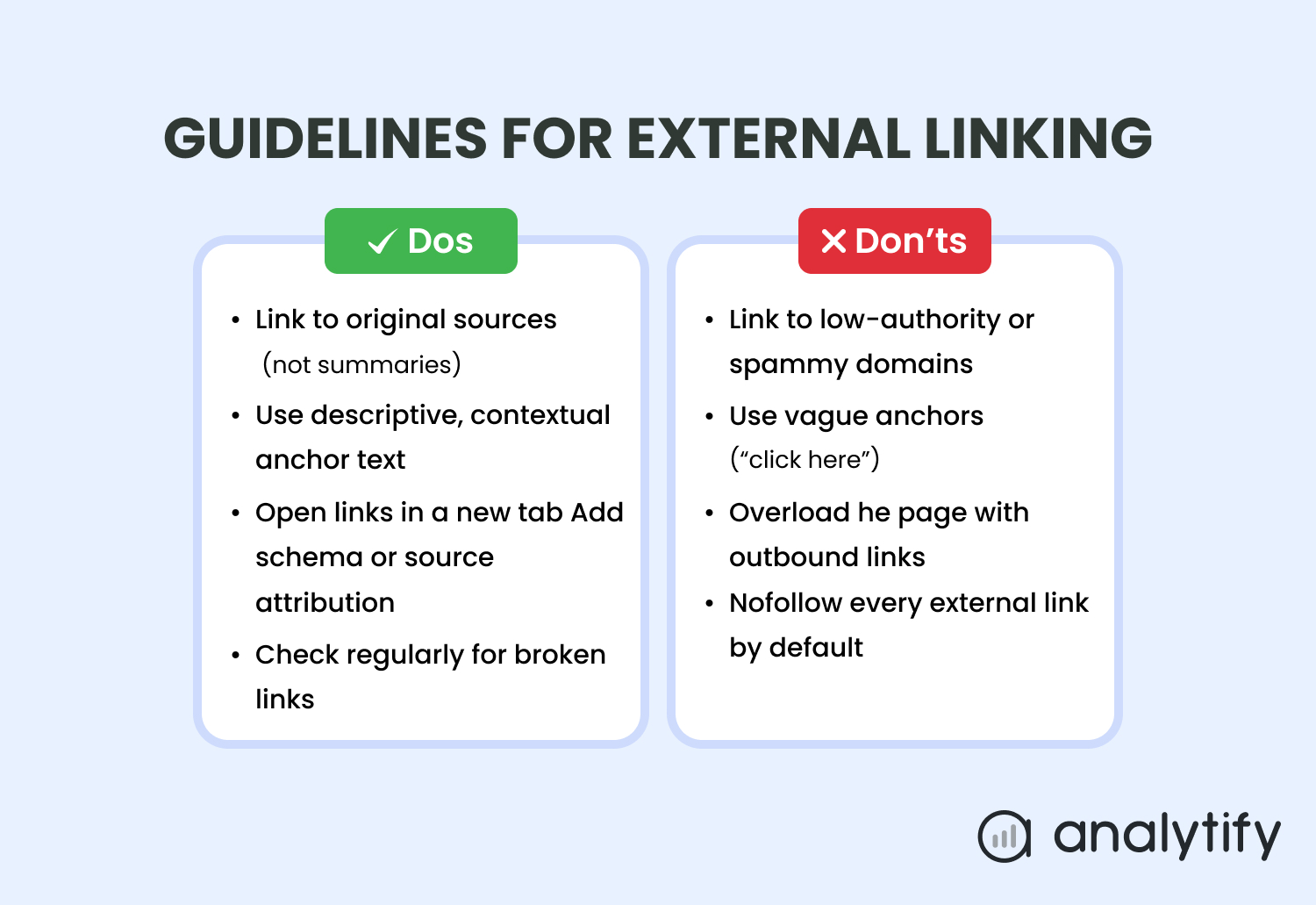
Also, consider this simple approach that takes minutes, not hours:
- Scan five random articles for outbound links, not just your target page.
- Check if those links point to trusted brands or obvious paid placements.
- Look at URL patterns: gambling, payday loans, and fake coupons are red flags.
- Search the domain for “write for us” spa, andm see what kind of content they accept.
- Prioritize sites where outbound links feel editorial, not transactional
A strong link is partly about the page, but mostly about the neighborhood around it. When your link lives among good recommendations, the trust flows naturally. When it lives among spam, you inherit someone else’s shortcuts.
7. Reusing the Same Topics Across Blogs
The Pitfall Explained
Topic repetition produces diminishing returns in guest post link building. But guest content is a chance to increase coverage around related concepts, building semantic density in your niche. When posts replicate the same narrative, the semantic gain is zero. Why? Because the model already understood that idea from the previous article.
Without incremental value, each new link distribution resembles a cloned argument. The surface changes, but the signal remains identical. That creates a footprint of distribution, not expertise.
Consequences for SEO
Repetition doesn’t build authority. It just creates more pages. Authority comes from variation — showing that you understand the wider context around your idea. If every guest post says the same thing, search engines assume you have nothing else to add.
Search engines may view recurring themes as low-value duplication, reducing the impact that SEO and content marketing can achieve together. That means more work, less payoff.
In practice, this turns into:
- Weak authority signals from each new placement.
- No compounding trust around related terms.
- Audiences are losing interest halfway through the article.
- A cluster that never expands into full topical coverage.
- Link-building graphs that plateau too early.
You end up telling the internet the same story, and the internet stops listening. However, when each post introduces a new idea, the link has a job. On the contrary, when posts repeat themselves, the link is just decoration.
How to Avoid It
Fixing this is simple: write around your idea, not through it, repeating the same arguments and conclusions. Don’t answer the same question twice. Answer the questions that sit next to it. That’s how clusters build. One piece at a time, never the same piece twice.
These tactics will keep you from repeating yourself:
- Pick one new question around the core topic.
- Write only what you learned answering that question.
- Use new examples, even if the lesson is similar.
- Change your conclusion if the journey was different.
- Keep a small doc tracking what you’ve already said.
If each blog gets a new slice of your thinking, algorithms will treat each link as a real contribution.
8. Not Building Long-Term Relationships With Editors
The Pitfall Explained
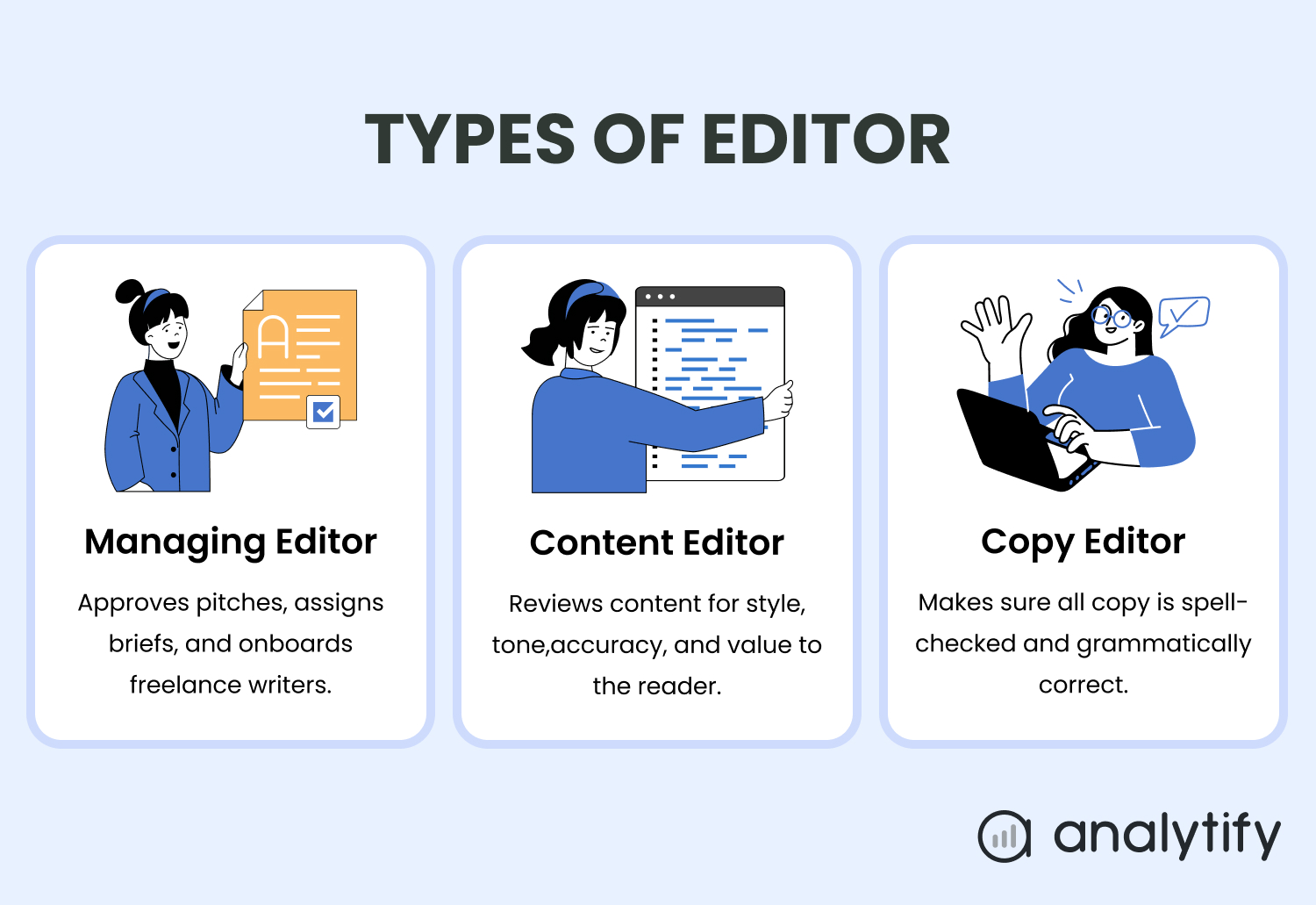
Guest posting for backlinks is easier when editors know who you are. Without that relationship, every pitch lands cold. You are not so different from hundreds of other clients who approach editors with similar emails.
The difference between accepted and ignored pitch often comes down to familiarity. Editors remember contributors who made their job simple: clear value proposition, excellent topic match, no ego over edits.
But if you treat every article as transactional, you never build that familiarity, and your content becomes disposable.
Consequences for SEO
Without a relationship, you never reach the “good” opportunities. The ones where the topic aligns perfectly with your authority. Instead, you’re stuck on generic ideas exchanged with strangers.
Here’s what you lose by skipping relationships:
- You don’t get access to high-authority website sections.
- The editor slots someone else into the best stories.
- You waste energy and time repeating the same outreach pattern.
Every article becomes a single event, instead of a piece of the story that grows into a theme and, eventually, becomes a strategy.
The value isn’t the first article. It’s the third one, when the editor trusts you with a relevant and thoroughly researched topic.
How to Avoid It
The key is treating editors like collaborators. Your communication with them should go two ways — ask what they and their audience care about, what they think of your topic choice, and the article. Don’t write much and overload them with questions, but a basic human curiosity is exactly what you and your SEO need.
Try these simple habits:
- Send a thank-you email after publishing.
- Pitch new angles based on the comments they gave.
- Share traffic insights, because editors love results.
- Ask how you can contribute again.
- Stay in touch even without a pitch.
Relationships make guest blogging easier and more rewarding. One editor can unlock a year of
How to Measure the Impact of Guest Blogging in Analytify
Join 50,000+ beginners & professionals who use Analytify to simplify their Google Analytics!
Tracking guest post performance is essential if you want to prove ROI and identify which placements actually help your rankings and traffic. Analytify makes this easy by pulling GA4 referral and landing page data directly inside WordPress.
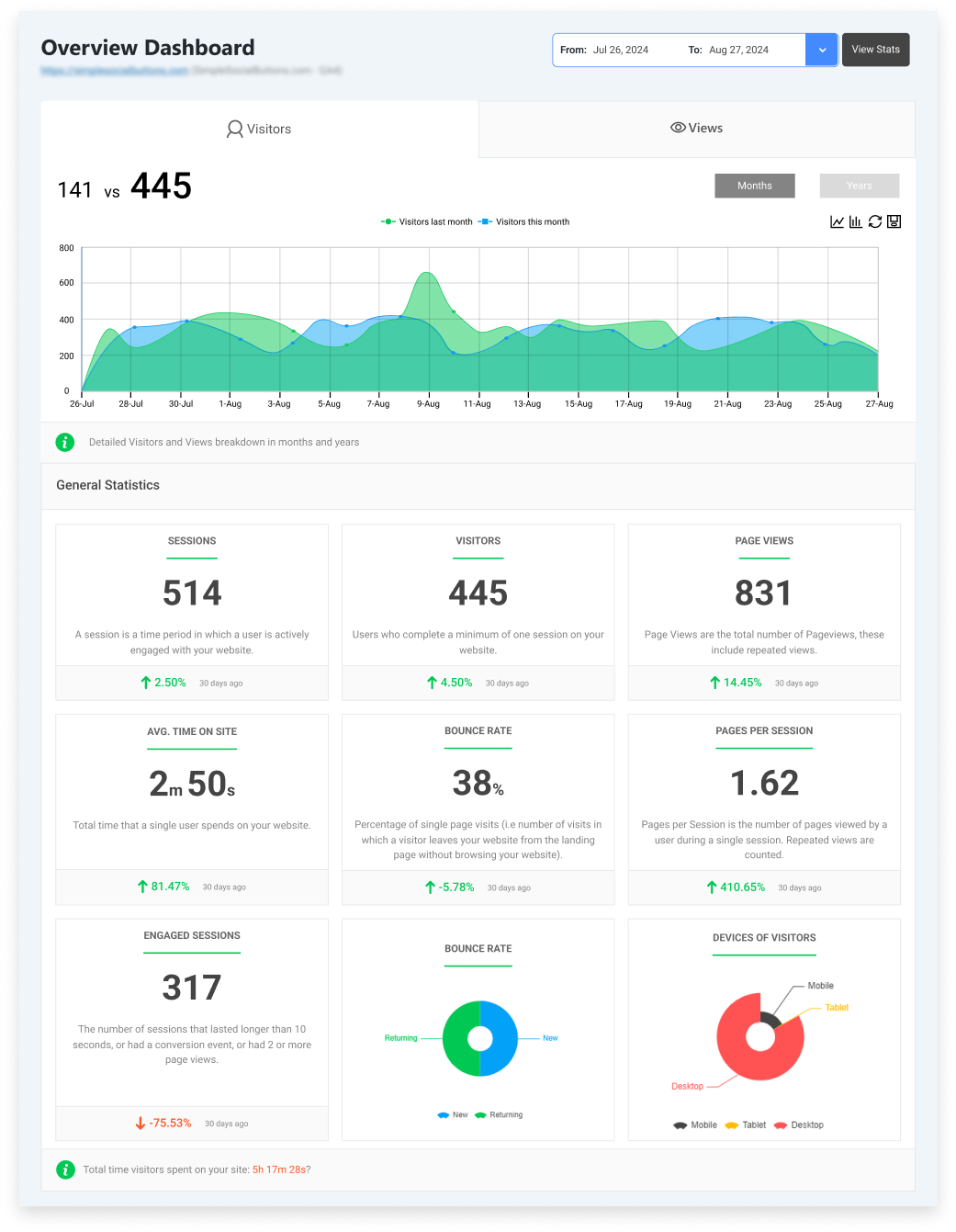
1. Track Referral Traffic From Each Guest Post
- Go to Analytify >> Dashboard >> Referrals
- Look for the domain where your guest post was published
- Check:
- Number of visitors coming from that site
- How often users return
- Which pages they viewed after landing
- Number of visitors coming from that site
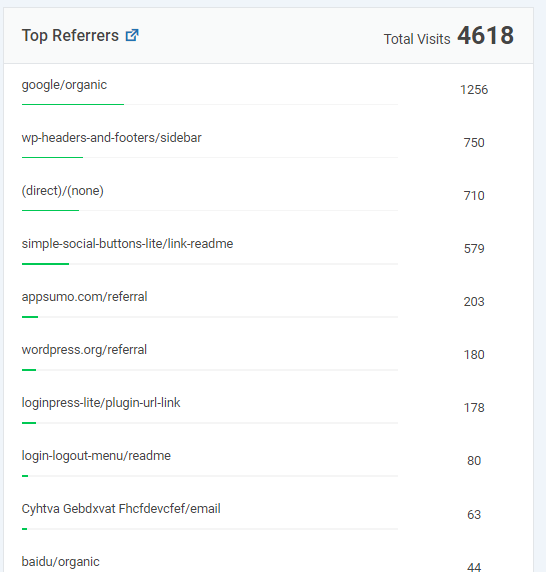
Why it matters:
If the site sends real visitors, it’s a high-value placement.
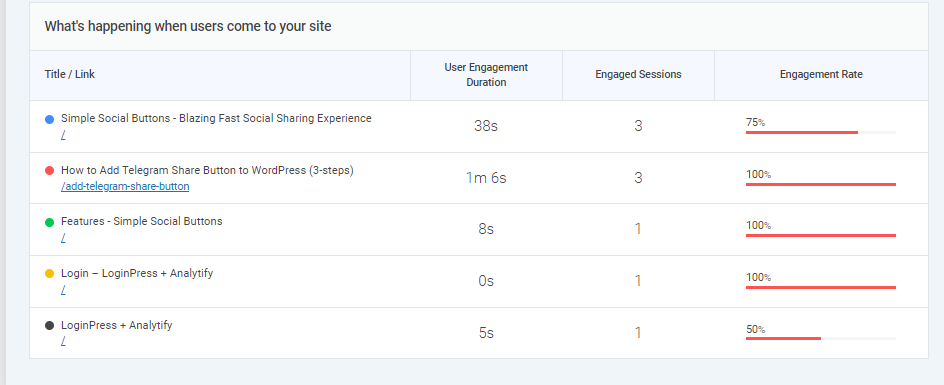
2. Measure Landing Page Performance
- Open Analytify >> Pages
- Filter by your landing page URL (the page you linked to in your guest post)
- Check metrics like:
- Engagement duration
- Engaged Sessions
- Engagement Rate
- Engagement duration
Why it matters:
Engaged traffic signals that the guest post is reaching the right audience.
3. Check Assisted Conversions in GA4 (via Analytify Tracking)
Even if visitors don’t convert immediately, they may return later.
- In GA4: Go to Advertising >> Attribution >> Conversion Attribution Models
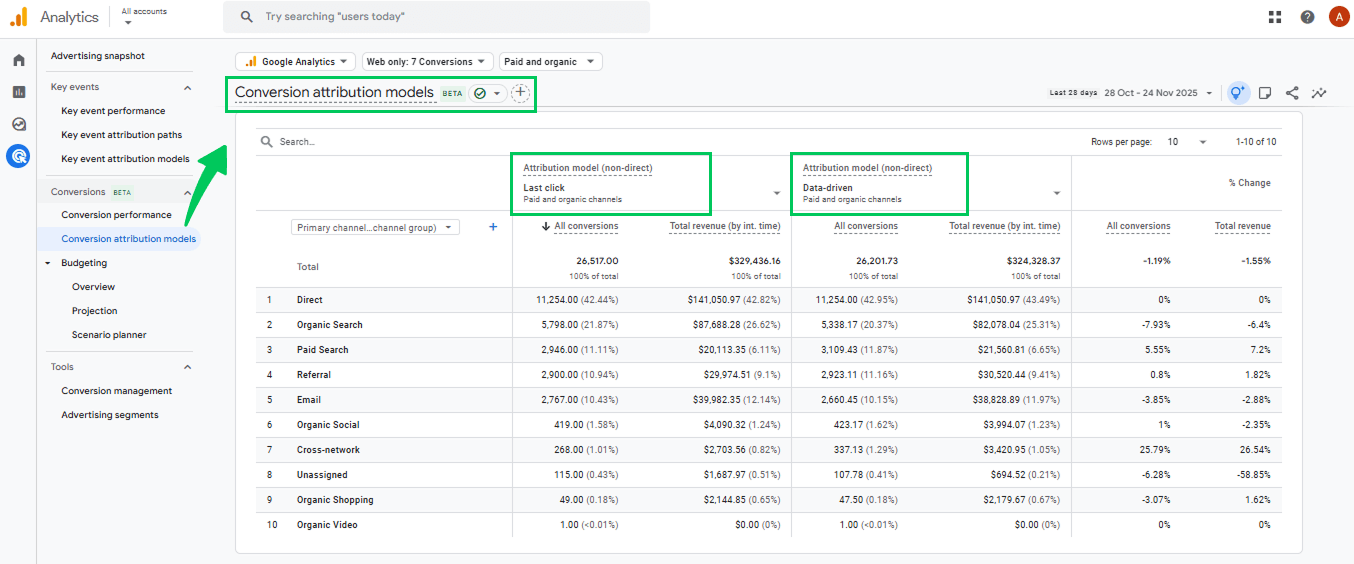
- Look for referral domains related to your guest posts
- Analytify auto-syncs this data with your tracked conversions
Why it matters:
Guest posts often influence conversions indirectly. Assisted conversion data proves long-term value.
4. Evaluate Referral Quality, Not Just Quantity
Inside Analytify’s referral report, evaluate:
- Session duration
- Pages per session
- Engagement rate
- Returning visitors
Why it matters:
Low-quality sites send spammy, zero-engagement traffic. High-quality links bring real users.
Frequently Asked Questions
1. How do I track the impact of guest post backlinks in GA4?
You can track guest post backlinks in GA4 by checking referral traffic, landing page engagement, and assisted conversions. Use the Traffic Acquisition and Conversion Paths reports to see how referral domains influence user behavior and conversions.
2. How do I measure referral traffic from guest posts inside WordPress?
Install an analytics plugin like Analytify, then check Referrals under the dashboard. You’ll see how many visitors came from the guest post, how long they stayed, and which pages they viewed next.
3. Do guest blogging links actually help SEO rankings?
Yes, high-quality, relevant guest post links help build authority, improve keyword rankings, and strengthen topical relevance. They’re one of the safest and most effective white-hat link-building methods.
4. What metrics should I monitor after publishing a guest post?
You must focus on:
Referral traffic
Engagement time
Conversions / assisted conversions
Search Console impressions and rankings for the linked page
Before vs. after traffic changes
These show whether the backlink is contributing real value.
Guest Blogging: The Bottom Line
Guest blogging and link building seem like two sides of the same coin: when one is present, the other must be of the same shape and quality. But that oversimplified understanding is precisely what leads many inexperienced bloggers to make all sorts of link building mistakes.
For blogging to be a fruitful soil for backlinks, it must be carefully planned and masterfully executed. Start by cherry-picking websites that align with your content goals, or contact a trusted outreach provider to guarantee websites with the highest domain authority.
Make sure your content is not thin or overly generic, and the anchor text you use is not the exact-match one. Remember the rule: stop optimizing the anchor and start optimizing the context. For that purpose, write sentences that explain the value of the link target.
Finally, aim to build long-term relationships with editors. That will increase your chances of getting published while your competitors are left wondering why their cold outreach doesn’t work.
Further Readings:
- Guest Posting: How It Works And What It Can Do For You
- Top 20 Marketing Hacks for Website Traffic Growth
Now, I’d love to hear from you. What’s your experience with guest blogging? Which strategies helped you build stronger backlinks, and what challenges have you faced along the way?