AI-Powered SEO Experiments: How to Analyze Test Results with Analytify

Still relying on SEO best practices without testing them on your site? This is where AI-powered SEO experiments make a real difference.
Instead of making SEO changes based on assumptions, AI-powered SEO experiments use AI insights to create clear hypotheses and test real updates. These tests may include content improvements, keyword usage, meta changes, or user experience adjustments on selected pages.
AI SEO analysis helps you understand what actually works for your website. AI identifies pages that need improvement, suggests which elements are worth testing, and predicts which changes are more likely to deliver results. This makes SEO testing faster and more reliable.
In this guide, you’ll learn how AI-Powered SEO experiments work, how to plan them using AI, and how Analytify helps you track and analyze experiment data.
Let’s get started!
AI-Powered SEO Experiments (TOC):
What are SEO Experiments & A/B Testing
SEO experiments are a testing method used to test changes on a website and assess their impact on organic search performance.
This helps you understand what actually improves rankings, clicks, and engagement before applying changes across the entire site.
SEO A/B testing: Compare two versions of a single element, e.g., meta title A vs B, to see which drives more clicks.
Multivariate testing: Test multiple elements simultaneously, such as headings, content, and CTAs, across several page versions to understand combined effects.
AI-Powered SEO Experiments
AI-powered SEO experiments improve this process by using artificial intelligence to guide testing and analysis.
AI can help identify which pages or elements are worth testing, predict possible outcomes, and analyze results more quickly across large sets of pages. This makes SEO testing quicker and more reliable.
Common Elements Tested Through AI SEO Testing
Common elements tested through AI SEO testing include:
- Meta titles and meta descriptions
- H1 and H2 headings
- Structured data markup
- Content length and layout
- Internal linking structure
- CTA placement on pages or within content
Accurate GA4 experiment tracking is important because it helps you clearly see how SEO changes affect traffic, engagement, and conversions over time.
Analytify simplifies GA4 data by showing these key metrics in one dashboard, making it easy to track results and make the right SEO decisions.
Planning AI-Powered SEO Experiments
Follow the steps given to plan an AI-powered SEO experiment:
Step 1: Analyze Data with AI Insights
Planning AI-powered SEO experiments begins with understanding what your data is already telling you. Instead of making random SEO changes, AI reviews existing performance and highlights pages that need improvement.
Through AI SEO analysis, AI reviews:
- High bounce rates
- Low click-through rates (CTR)
- Poor user engagement
- Pages that rank but fail to attract clicks
Based on these insights, AI suggests test variations that are more likely to deliver results.
Step 2: Generate Test Variations with AI
Once issues are identified, AI SEO testing recommends which changes to test.
AI may suggest testing:
- Meta titles or meta descriptions
- Headings and content structure
- Content length and readability
- Internal linking
- CTA placement
Example:
If pages get impressions but very few clicks, AI may recommend testing new meta titles or descriptions that better match search intent.
Step 3: Define Experiment Goals and KPIs
Before running the experiment, clearly define your goals and KPIs. Clear goals help you measure success and avoid confusion during analysis.
Common experiment goals include:
- Traffic increase: Check if organic sessions grow after the change
- CTR improvement: Measure whether more users click from search results
- Engagement metrics: Track time on page, scroll depth, and bounce rate
- Conversions: Monitor signups, purchases, or form submissions
Step 4: Run the Experiment and Compare Results
- Select a test group and a control group
- Apply the AI-recommended change only to the test pages.
- Keep the control pages unchanged.
- Run the experiment long enough to collect meaningful data.
Example:
AI suggests rewriting meta descriptions for high-bounce blog posts. After testing, CTR and engagement are compared to control pages to evaluate success.
Implementing Experiments in WordPress
Running SEO experiments on a WordPress site is easier when you follow the given steps:
Step 1: Create page variations
- Start by deciding what you want to test. Create different versions of your content by changing one main element at a time.
- This could include updating headings, improving content sections, adjusting CTAs, or adding structured data (schema).
- Keep the original version unchanged so you can clearly compare results later.
Step 2: Set up tracking in GA4 using Analytify
- Once variations are ready, make sure tracking is set up correctly.
- Connect your site with GA4 and use Analytify to simplify the setup.
- Analytify helps you track organic traffic, clicks, engagement, and conversions at the page level, making it easy to understand experiment results without technical effort.
Step 3: Segment your experiment data
- Segment performance by device (desktop vs mobile), geography, or audience type (new vs returning users).
- Proper segmentation ensures you understand not just whether the experiment worked, but for whom it worked.
Step 4: Run the experiment safely
- Apply changes only to test pages and keep control pages untouched.
- Let the experiment run for several weeks so the data can stabilize.
- Avoid making other major SEO or design changes during this period.
Note: Test on pages with stable traffic first, avoid critical business pages initially, and always back up content before making changes. Monitor performance regularly using Analytify dashboards and alerts to catch issues early.
By following these steps, you can safely implement AI-powered SEO experiments in WordPress and improve performance with confidence.
Monitoring Experiment Data with Analytify
Join 50,000+ beginners & professionals who use Analytify to simplify their Google Analytics!
Once your SEO experiment is live, the most important task is monitoring performance correctly. This is where Analytify plays a key role.
Analytify is the best WordPress plugin for Google Analytics 4, turning complex GA4 data into simple, easy-to-understand visual reports.
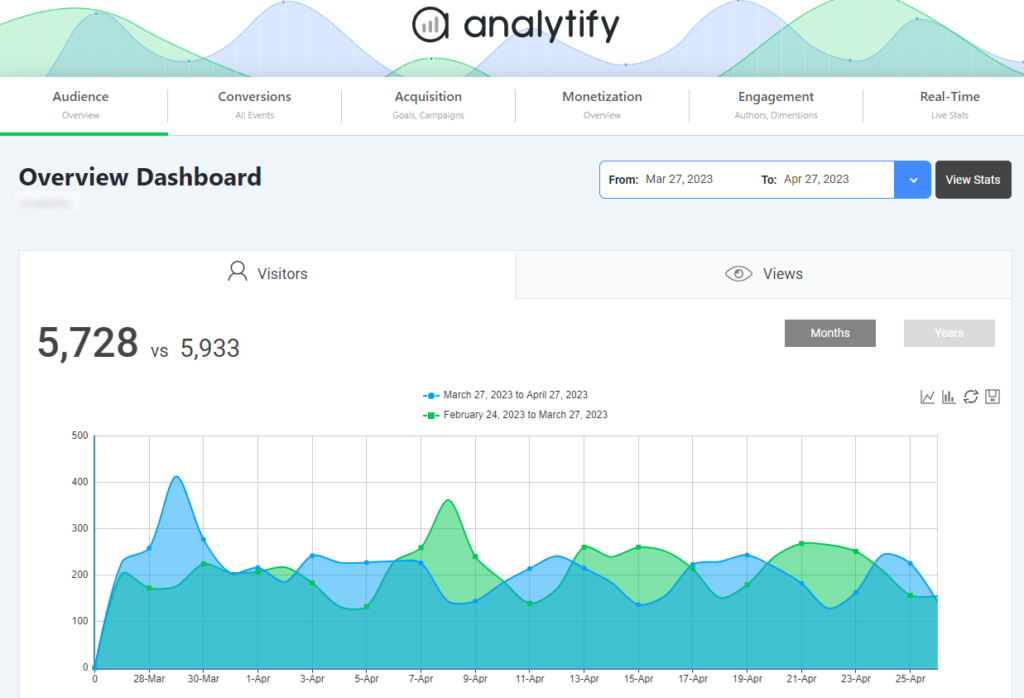
Instead of switching between multiple GA4 menus, Analytify brings all your important website data into a single dashboard.
This makes Analytify an ideal tool for monitoring AI-powered SEO experiments and analyzing results, without technical complexity.
Here are the following reports in Analytify that help to analyze the SEO experiments:
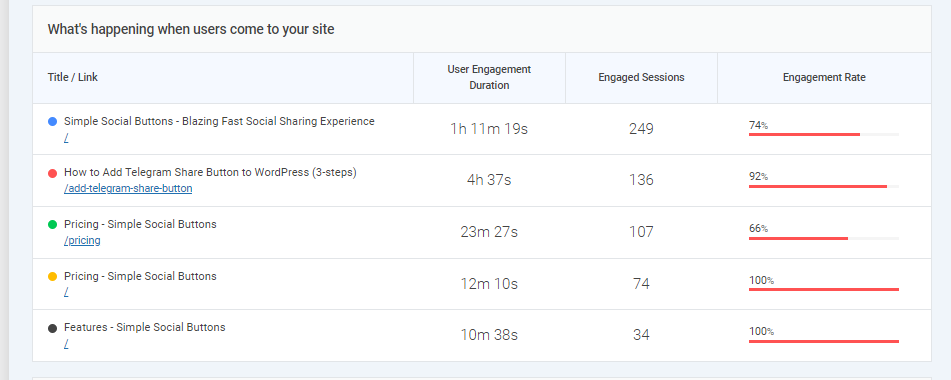
- The General Statistics Dashboard tracks metrics like bounce rate, engaged sessions, and device usage. Compare test pages with control pages to see if your changes improve user interaction.
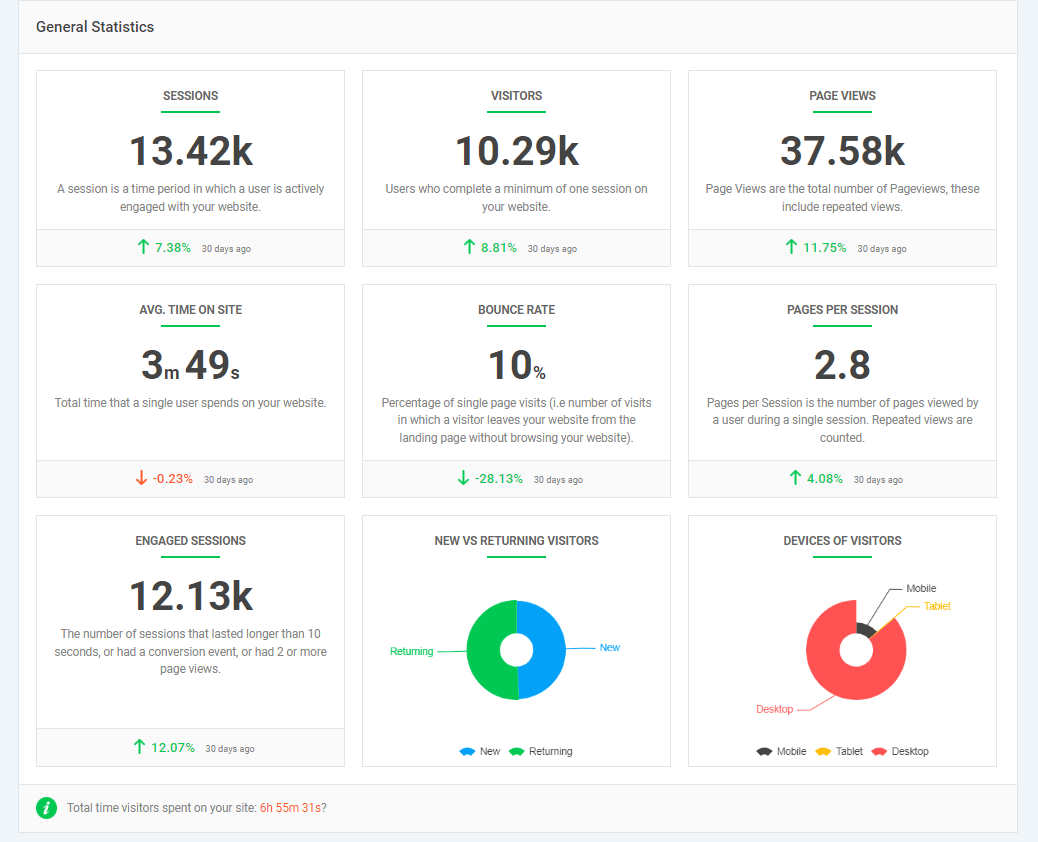
If your test page shows a lower bounce rate and higher engagement compared to the control page, you can immediately identify that your changes are improving user interaction.
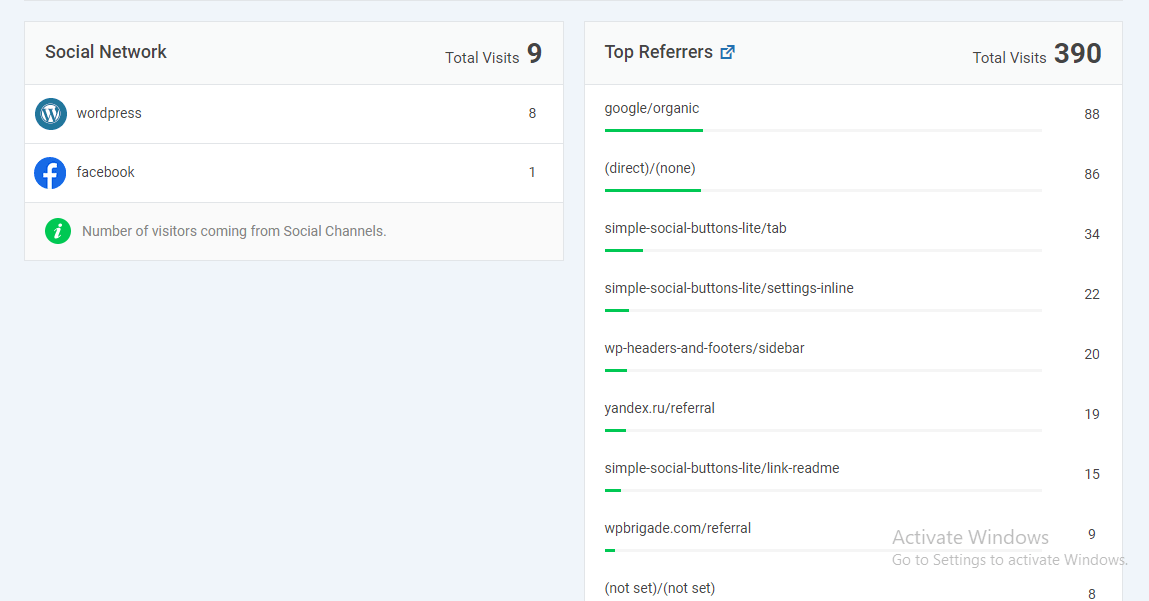
- The Referral Traffic Report helps you to understand where visitors come from, search engines, social media, or other websites. This helps confirm if traffic changes are due to your SEO experiment or external sources.
- The landing page report identifies which pages users enter your site from. For example, a new meta description may increase landing page visits compared to the control page.
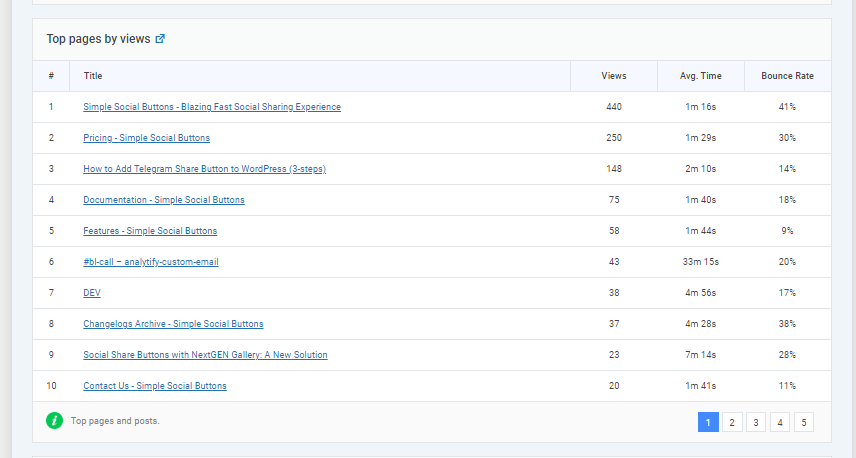
- The Top Pages by Views report highlights pages with the most traffic. Higher views on test pages indicate positive experiment results.
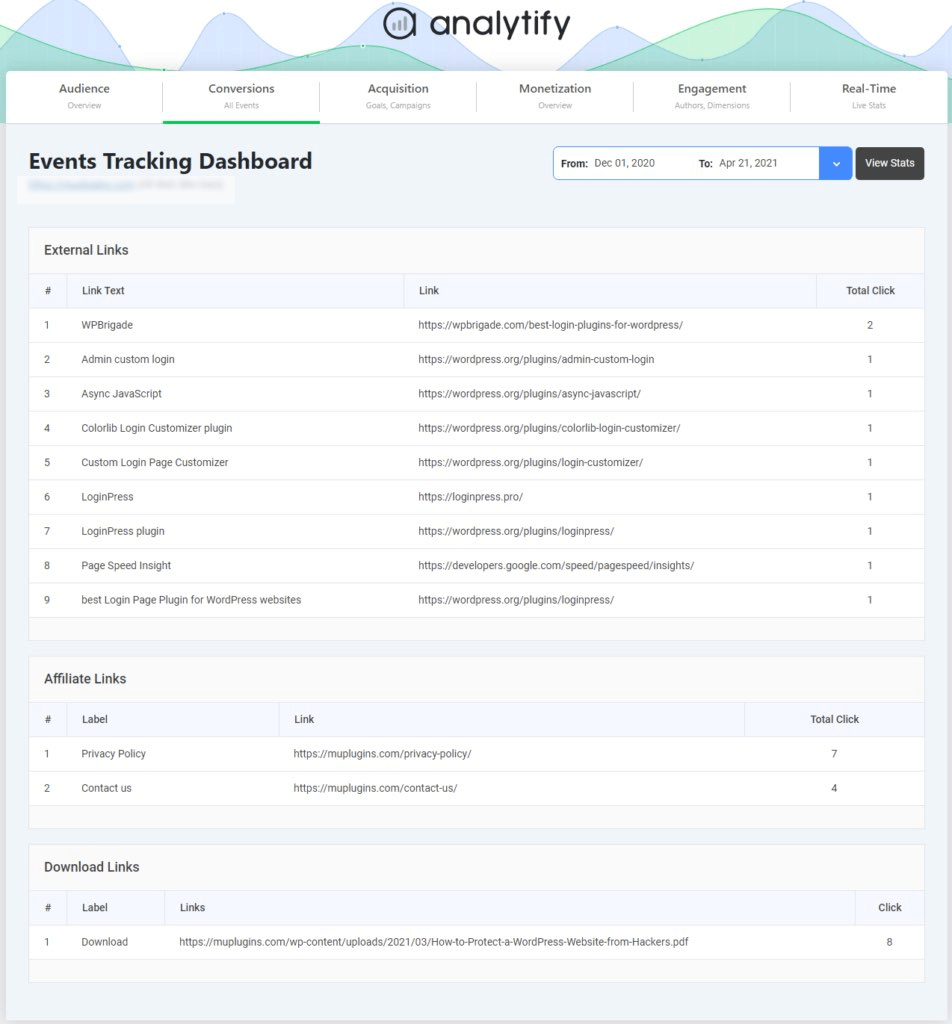
- The Event Tracking Dashboard measures interactions like CTA clicks, scroll depth, and form submissions. Changes to CTA placement can be evaluated through these reports.
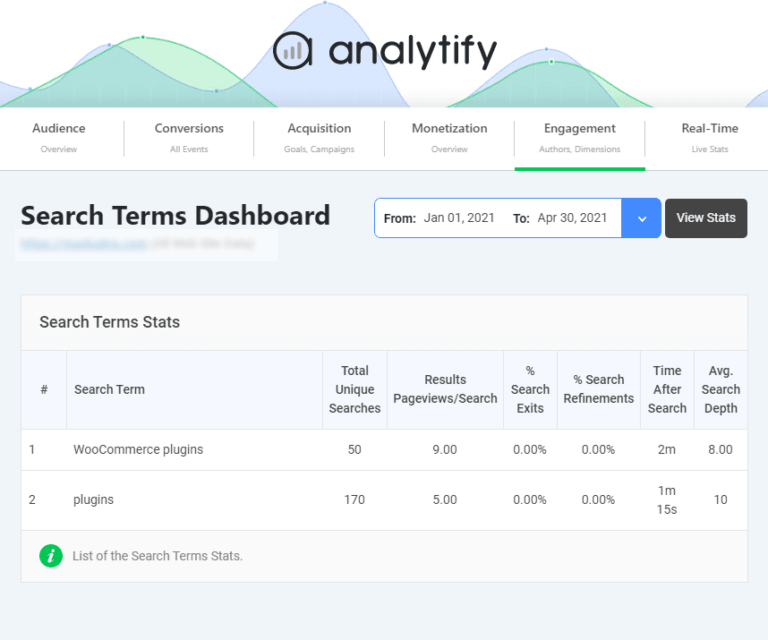
- The Search Term Dashboard tracks queries that drive users to test pages and ensures that increases in traffic are due to SEO changes rather than ongoing marketing campaigns.
By linking all these dashboards and reports, Analytify provides a complete view of your experiment’s impact.
For example, you can see how a new H1 heading increases landing page views, boosts scroll depth on mobile users in a specific region, and ultimately improves conversions, all from one integrated interface.
This detailed view makes SEO experiments easier to monitor, analyze, and act upon with confidence.
Advanced Tips for AI-Driven SEO Experiments
Here are the following advanced tips for AI-driven SEO experiments:
- Test in steps, not just once
AI-driven SEO experiments work best when repeated. AI reviews past results and suggests minor improvements, such as better titles, content flow, or CTAs, for the next test. - Look at more than one metric.
Don’t judge results using clicks alone. Combine CTR, time spent on the page, and conversions to understand whether visitors are truly engaging with your content. - Use Analytify to save time.
- Analytify simplifies SEO A/B testing analytics by visualizing experiment data from GA4. Alerts notify you of performance changes, saving time and helping you avoid missing critical trends.
- Separate AI content from manual content
Compare AI-optimized pages with manually edited ones. This helps you clearly see where AI-driven changes perform better and where human edits still work best. - Learn from past experiments.
AI can review old tests and find patterns, such as which meta descriptions or content formats performed well. This reduces guessing and helps plan smarter future tests. - Start with essential pages first.
Focus experiments on pages that already get traffic, impressions, or conversions. These pages show results faster and make it easier to spot improvements. - Let AI suggest the next test.
After one experiment ends, AI can recommend what to test next based on performance changes. This creates a smooth testing cycle that improves results step by step.
Best Practices & Common Pitfalls
Below are key best practices to follow and common pitfalls to avoid when analyzing SEO experiments:
- Testing pages with very low traffic
Pages with few visitors do not provide enough data, which can lead to unclear results. Run AI-powered SEO experiments on pages with steady traffic so changes can be measured accurately. - Making many changes at the same time
Updating titles, content, and CTAs together makes it difficult to determine which change caused the improvement. Test one main change at a time for clear SEO A/B testing results. - Ending experiments too early
SEO results take time to appear. Ending tests too soon can give false conclusions. Let experiments run long enough for GA4 data to stabilize. - Incorrect or missing tracking
If tracking is not set up properly, results can be misleading. Always verify GA4 and Analytify settings before starting any AI SEO testing. - Relying on only one metric
Clicks alone do not show true performance. Combine CTR, engagement, and conversions to understand real impact.
By following these practices, AI-powered SEO experiments become more reliable and easier to manage.
FAQs About AI-Powered SEO Experiments
1. Can SEO be done by AI?
Yes, SEO can be supported by AI, but it cannot fully replace human effort. AI helps analyze large amounts of data, find patterns, and suggest improvements. In AI-powered SEO experiments, AI is mainly used to guide testing, speed up analysis, and reduce guesswork.
2. What is AI-powered SEO optimization?
AI-powered SEO optimization uses artificial intelligence to improve SEO tasks like keyword research, content suggestions, on-page changes, and performance analysis. It helps marketers test ideas, track results, and improve pages based on real user and search data.
3. How does AI support the SEO experiment process?
AI supports experiments by identifying pages to test, suggesting changes, analyzing results, and recommending next steps. In AI SEO testing, AI helps turn past experiment data into smarter decisions for future SEO improvements.
4. Can ChatGPT do SEO?
ChatGPT can help with SEO tasks such as generating content ideas, writing meta titles and descriptions, and testing variations. However, it works best when combined with AI SEO analysis tools and proper tracking, rather than being used alone for complete SEO optimization.
5. How long should an AI-powered SEO experiment run?
An AI-powered SEO experiment should typically run for 2 to 6 weeks. This gives search engines enough time to crawl and re-index changes and allows performance metrics like rankings, clicks, and engagement to stabilize. Ending an experiment too early can lead to unclear or misleading results, especially on low-traffic pages.
6. Which AI tool is best for SEO?
There is no single “best” AI tool for SEO. Different tools serve different purposes. ChatGPT helps with content and ideas, while tools like GA4 and Analytify support SEO A/B testing, analytics, and performance tracking for experiments.
Final Thoughts: AI-Powered SEO Experiments
This guide explained what SEO experiments and A/B testing are and how controlled testing helps improve rankings, clicks, and engagement without risking your entire site. We covered how AI-powered SEO experiments work and the common elements tested with AI, such as meta titles, headings, content layout, internal links, and CTAs.
You also learned how to plan AI-powered SEO experiments, from using AI insights to choose pages and set clear goals to comparing results correctly. We then showed how to run experiments in WordPress using page variations, set up GA4 tracking with Analytify, use proper segmentation, and follow safe testing practices.
Finally, we highlighted how Analytify simplifies experiment monitoring by bringing traffic, engagement, events, search terms, and conversions into one dashboard. Then, we added advanced tips, best practices, and highlighted common pitfalls to help you test smarter and avoid mistakes.
For further guidance, you can read:
- Predictive SEO Guide: Forecasting Search Trends with Data
- Best AI Visibility Tools: Complete Guide for SEO Professionals
- How to Find Best Long-Tail Keywords for SEO
If AI could suggest one SEO change for your website today, what would you want it to improve? Comment below and tell us your biggest SEO challenge right now.