Download
Back to All Categories
Best Guest Posting Services

5 Best Guest Posting Services You Can Safely Use (2026)

Guest posting is a link-building tactic that involves writing a well-researched blog article for another website, in which they include a link to their site, adding value for the readers.

In the 2025 Editorial.Link study, it came in as the second most popular link-building tactic, used by 16% of respondents.

Nearly every link-building agency offers guest posting services, but finding a reliable one is challenging.

In this article, I’ll walk you through five guest posting services that actually deliver. You’ll learn what each one offers, how much they charge, and which one fits your needs.

Let’s get started.

Continue reading “5 Best Guest Posting Services You Can Safely Use (2026)” →
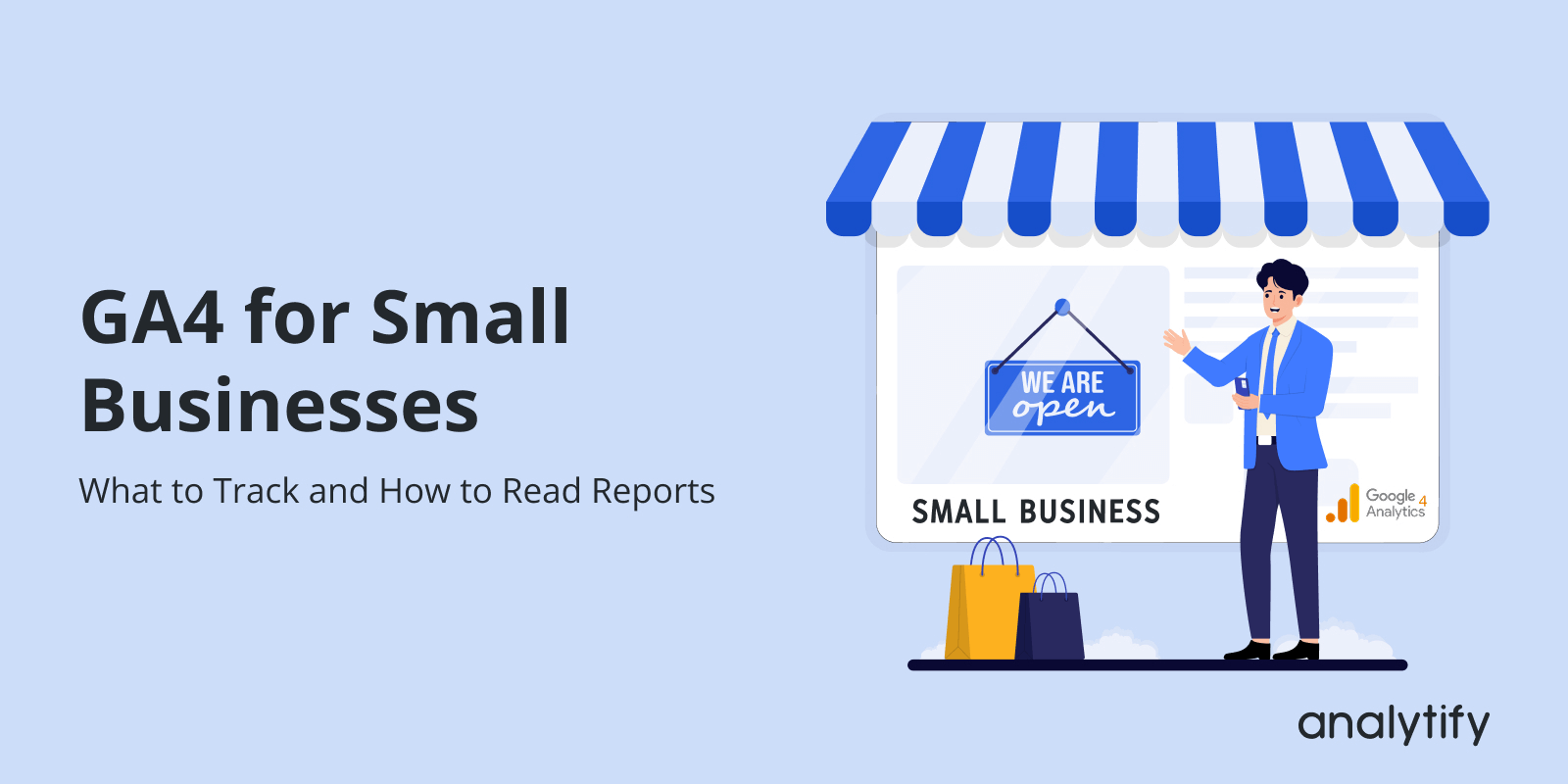
GA4 for Small Businesses

GA4 for Small Businesses: What to Track and How to Read Reports (2026)

Most small businesses don’t lack data; they lack clarity. GA4 collects a lot of information, but without proper guidance, it can feel overwhelming instead of helpful. Many business owners open Google Analytics, see dozens of reports, and still leave unsure of what to focus on.

The good news is that GA4 can be useful without being complicated. For GA4 for small businesses, advanced setups, deep analysis, or endless metrics aren’t necessary. What really matters is tracking a few small business analytics metrics that clearly show what’s working and what isn’t.

That’s exactly what this guide focuses on. You’ll learn what GA4 for small businesses should track and how to read GA4 reports in a practical, business-friendly way. So you can make decisions without wasting time.

Let’s get started!

Continue reading “GA4 for Small Businesses: What to Track and How to Read Reports (2026)” →
Analytify Script with Custom GTM Tracking

How to Combine Analytify Script with Custom GTM Tracking Without Double Hits

To combine the Analytify script with custom GTM tracking without double hits, let Analytify load GA4 and use Google Tag Manager (GTM) only for custom event tags. I show you how to set this up in seven steps.

Double hits happen when a plugin and GTM both initialize GA4 on the same page. Double tracking inflates sessions and makes reports unreliable. Pausing the GA4 Configuration tag in GTM stops GA4 from being initialized twice. Analytify then sends pageviews and standard events, and GTM sends only the custom events you define, such as CTA clicks, custom button clicks and form submissions.

In this hybrid approach, Analytify handles the core GA4 tracking and GTM handles only custom events. Site owners no longer have to choose between a plugin-based analytics setup and a full GTM implementation.

Continue reading “How to Combine Analytify Script with Custom GTM Tracking Without Double Hits” →
Track User Engagement by Device in GA4

How to Track User Engagement by Device in Google Analytics 4

Ever noticed that your website traffic looks strong? But mobile users don’t engage or convert the same way desktop users do?

That’s where learning how to track user engagement by device in GA4 becomes essential. Users behave very differently across mobile, desktop, and tablet devices, yet many teams still analyze engagement as a single metric. 

This often creates blind spots, such as high overall traffic but poor mobile engagement, or most conversions happening on desktop while mobile users drop off. 

GA4 solves this by providing device-level engagement data that shows how people truly interact on each device. 

In this guide, you’ll learn what user engagement really means in GA4, which device-level metrics matter most, and how to view and compare device data step by step. We’ll also show how WordPress users can simplify device tracking using Analytify.

Let’s get started!

Continue reading “How to Track User Engagement by Device in Google Analytics 4” →
AI Content Creation Strategies & Tools You Should Use in 2026

AI Content Creation Strategies & Tools You Should Use in 2026

AI content creation is no longer about speed alone; it’s about performance. 

While AI tools can generate ideas, drafts, and optimized pages in minutes, many teams struggle to understand why their AI-generated content fails to engage or convert. The problem isn’t AI quality; it’s the lack of measurable feedback.

Modern AI content creation requires more than prompts and publishing. It demands a structured system where AI supports ideation and drafting, humans guide strategy and accuracy, and performance data determines what works and what doesn’t.

By integrating GA4 insights directly into WordPress, plugins like Analytify allow you to evaluate, refine, and improve AI-assisted content where it’s created. 

Before you can improve what AI writes, you need visibility into how it performs. Our guide on How to Track WordPress Site Stats and Page Views for High-Fidelity Growth? is a good place to start.

In this guide, we’ll cover proven AI content creation strategies, recommended AI content creation tools, and step-by-step workflows, showing how analytics turns AI output into content that drives traffic, engagement, and measurable growth.

Continue reading “AI Content Creation Strategies & Tools You Should Use in 2026” →
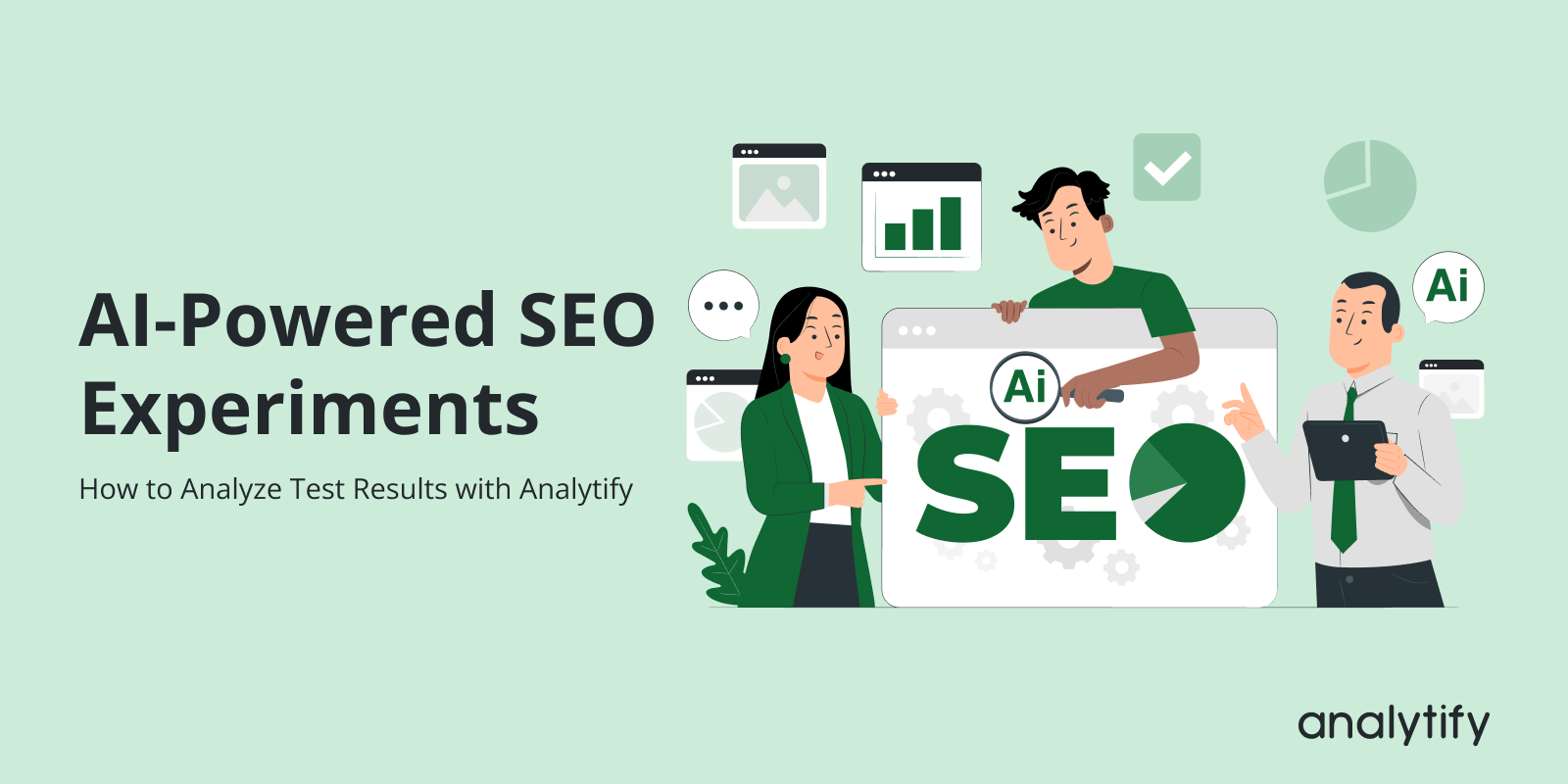
AI-Powered SEO Experiments

AI-Powered SEO Experiments: How to Analyze Test Results with Analytify

To run an AI-powered SEO experiment, pick pages that already get traffic, change one element on selected test pages, keep control pages unchanged, and compare the results in Analytify and GA4.

AI-powered SEO experiments use AI insights to form clear hypotheses and test real updates. These tests may include content improvements, keyword usage, meta changes, or user experience adjustments on selected pages.

AI SEO analysis identifies pages that need improvement, suggests which elements are worth testing, and predicts which changes are more likely to deliver results. AI-powered analysis speeds up SEO testing.

This guide is for WordPress site owners and marketers who want to test SEO changes before rolling them out across the whole site. I cover how AI-powered SEO experiments work, how to plan them with AI, and how Analytify tracks and analyzes the experiment data.

Continue reading “AI-Powered SEO Experiments: How to Analyze Test Results with Analytify” →
Analytics Prompts for Marketing

How to Use Analytify Data to Train Better AI Prompts for Marketing

To get better results from AI prompts for marketing, include real GA4 data from Analytify in them: top pages, user behavior, traffic sources and key events.

AI works best when it is guided by facts. For marketing, those facts live in your analytics.

Analytics prompts for marketing are AI prompts that include real GA4 insights to guide the output. When prompts are based on actual performance data, AI has the context to produce more relevant content, clearer recommendations and better targeting ideas.

This approach is called data-driven prompt engineering. It means writing AI prompts using real website data instead of assumptions. Rather than asking AI what might work, you show it what already does.

GA4 data can be hard to use directly. Analytify converts complex GA4 reports into simple, readable insights that you can plug into AI prompts.

I show you how to collect the right data from Analytify, turn it into AI prompts, and reuse eight prompt templates. This guide is for marketers and site owners who use AI tools for marketing content.

Continue reading “How to Use Analytify Data to Train Better AI Prompts for Marketing” →
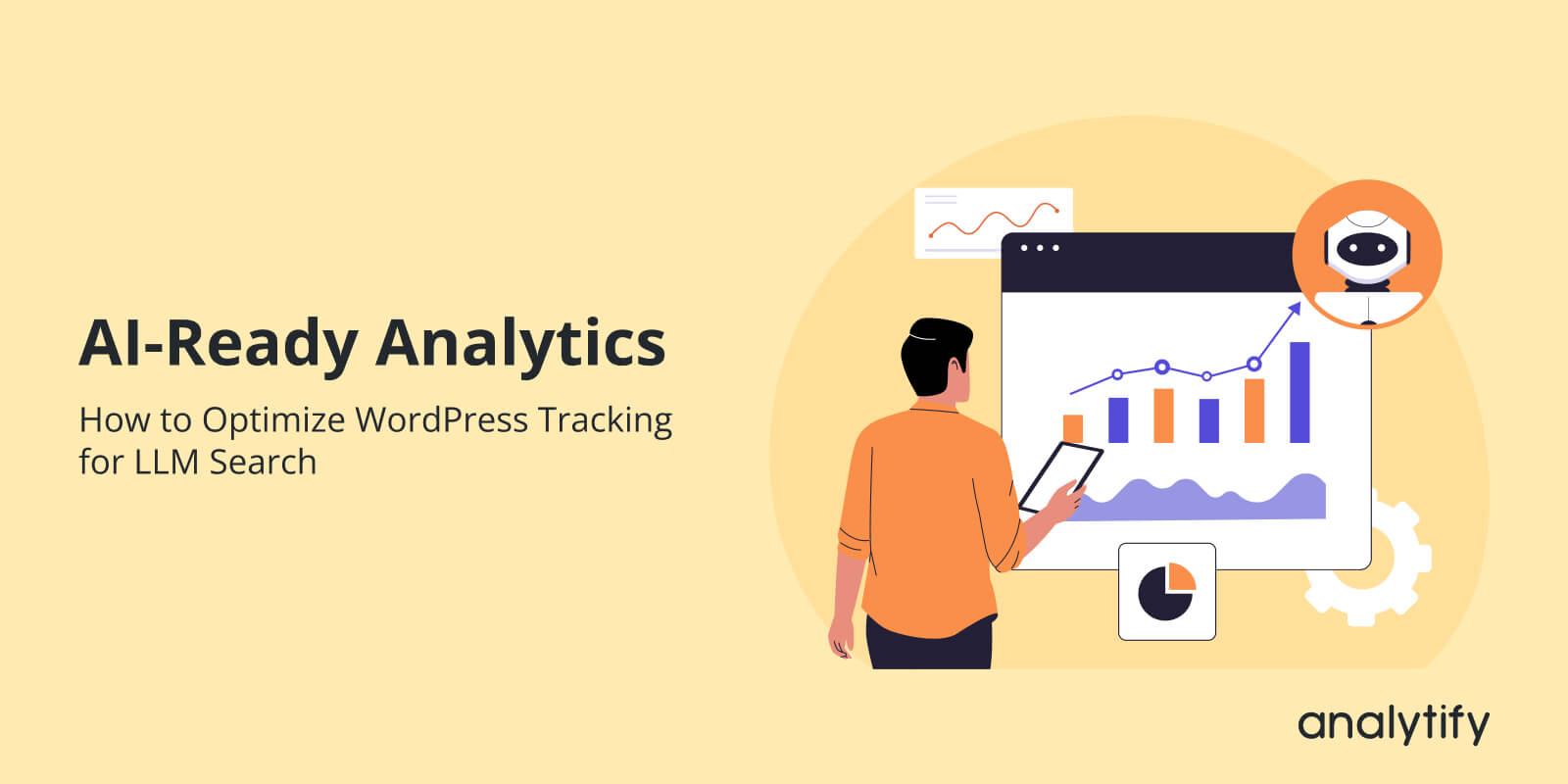
AI-Ready Analytics

AI-Ready Analytics: How to Optimize WordPress Tracking for LLM Search

AI-ready analytics means configuring your WordPress tracking with clean GA4 events, consistent parameters, and clear metadata, so you can measure how visitors engage with your content. 

More users now ask LLMs such as ChatGPT, Perplexity, and Google AI Overviews instead of searching by keyword. Keyword reports alone do not show how your content performs in that shift. I recommend tracking engagement with clean GA4 events and keeping your metadata and structured data accurate.

 Structure your WordPress tracking for GA4 and use Analytify to make your events, dimensions, and metadata consistent and machine-friendly. Consistent data makes it easier to track engagement and find your high-value pages. This guide is for WordPress site owners who want a clean, consistent GA4 setup.

Continue reading “AI-Ready Analytics: How to Optimize WordPress Tracking for LLM Search” →
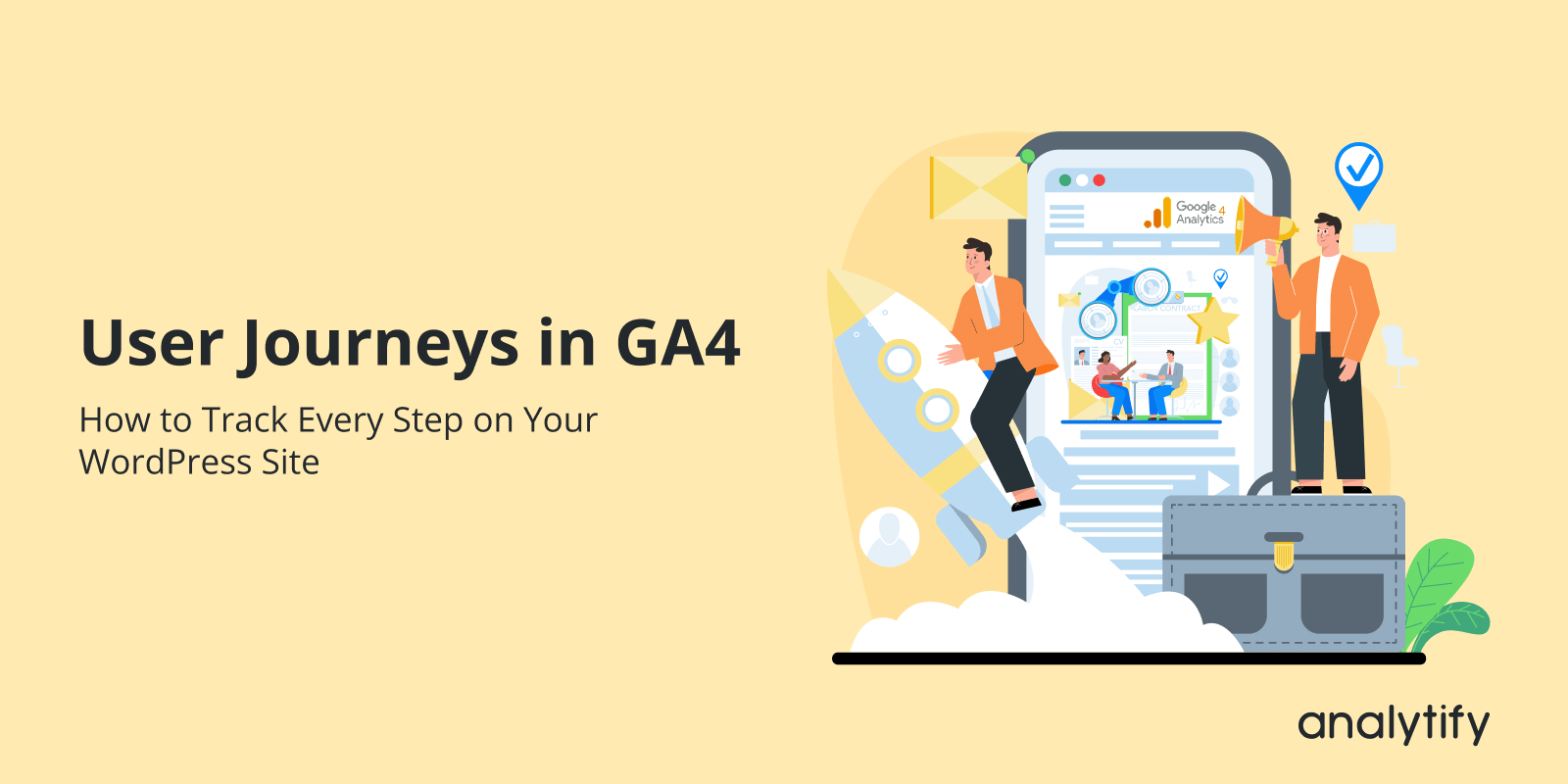
GA4 user journey tracking

User Journeys in GA4: How to Track Every Step on Your WordPress Site

Ever wonder how visitors really move through your WordPress site? You’ll be glad to know, you’re in the right place!

GA4 user journey tracking shows how visitors move through your website step by step. It helps you understand their path from the first landing page to key actions like signing up or making a purchase.

Understanding these journeys is important because it shows which steps lead users to take action, identifies where they get stuck, and helps you improve your content. So, visitors move through your site more easily.

In this guide, we’ll discuss everything you need to track GA4 user journey on WordPress. We’ll start by covering the prerequisites and then explain how to set up Path Explorations and Funnels. We’ll also explain how to analyze Cohorts and Segment Overlaps and share tips for troubleshooting common issues.

Let’s get started!

Continue reading “User Journeys in GA4: How to Track Every Step on Your WordPress Site” →
Guest Blogging for Link Building_ 8 Pitfalls to Avoid

Guest Blogging for Link Building: 8 Major Pitfalls to Avoid

Link building can be a powerful traffic acquisition tool in the hands of a capable blogger, or it can be a metaphorical black hole that only consumes energy and effort with no tangible SEO results.

Where is the dividing line? Aside from fluff, there aren’t inherently good or bad bloggers; most are talented in their own domain. However, some bloggers are experienced and willing to improve day by day, while others repeat the same unfortunate link-building mistakes.

If you want to do guest blogging right, as the first experienced category does, and build links professionally, you should avoid eight known pitfalls. This post explains each one, including the SEO consequences and how to avoid the pitfall in the first place.

Continue reading “Guest Blogging for Link Building: 8 Major Pitfalls to Avoid” →
1 2 3 … 18