What is Affiliate Marketing and How Does it Generate Revenue?

Are you looking for a complete guide on Affiliate Marketing? If yes, you are at the right place.
Affiliate marketing is a simple way to earn money online. It is a trade of trust and value: you promote a company’s goods, and if someone buys through your affiliate link, you earn a share of the sale.
Affiliate marketing is changing how businesses and marketers reach people. Analytify knows this space well: our team has helped many marketers optimize their strategies by analyzing their analytics.
This guide draws on that experience to help you succeed.
Here is what affiliate marketing is, how to start it, and how to earn from it.
Affiliate Marketing (TOC):
What is Affiliate Marketing?
Affiliate marketing means earning money by promoting a company’s products or services. When someone buys through your affiliate link, you get a commission. It’s a win for both the company and the affiliate.
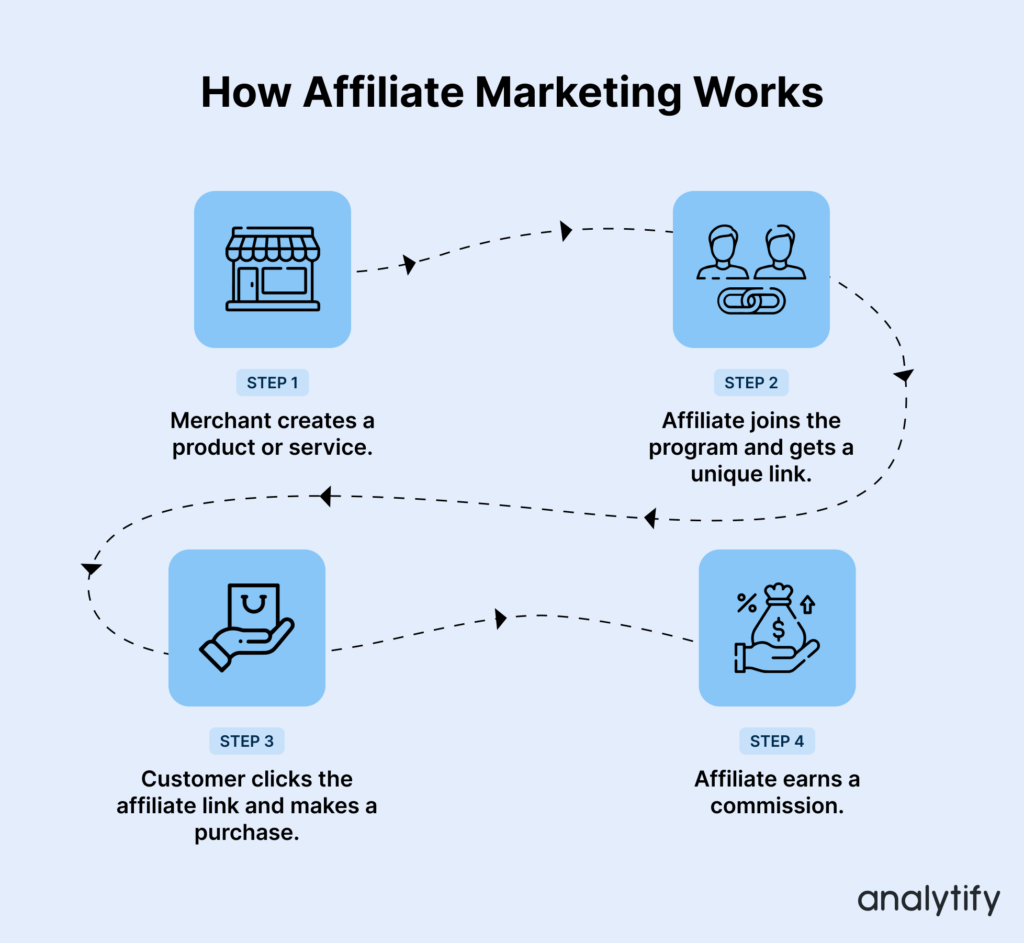
Here is how an affiliate business works:
- A merchant sells a product or service.
- An affiliate marketer promotes it to the world.
- A customer buys it, moved by trust or interest.
When the customer buys through the affiliate link, the marketer earns a commission. That’s the heart of it. Nothing more and nothing less. It is a model that rewards action and results. Companies pay only for success, and marketers thrive by helping businesses grow.
Think of it as a trade of effort for opportunity. You don’t need to create the product just to understand it well enough to share it. And in that lies the art.
If you still ask, what is an affiliate? You now know that they are the bridge between product and customer.
Why Choose Affiliate Marketing?
There are many reasons to choose affiliate marketing, and they are good. Let’s explore these reasons:
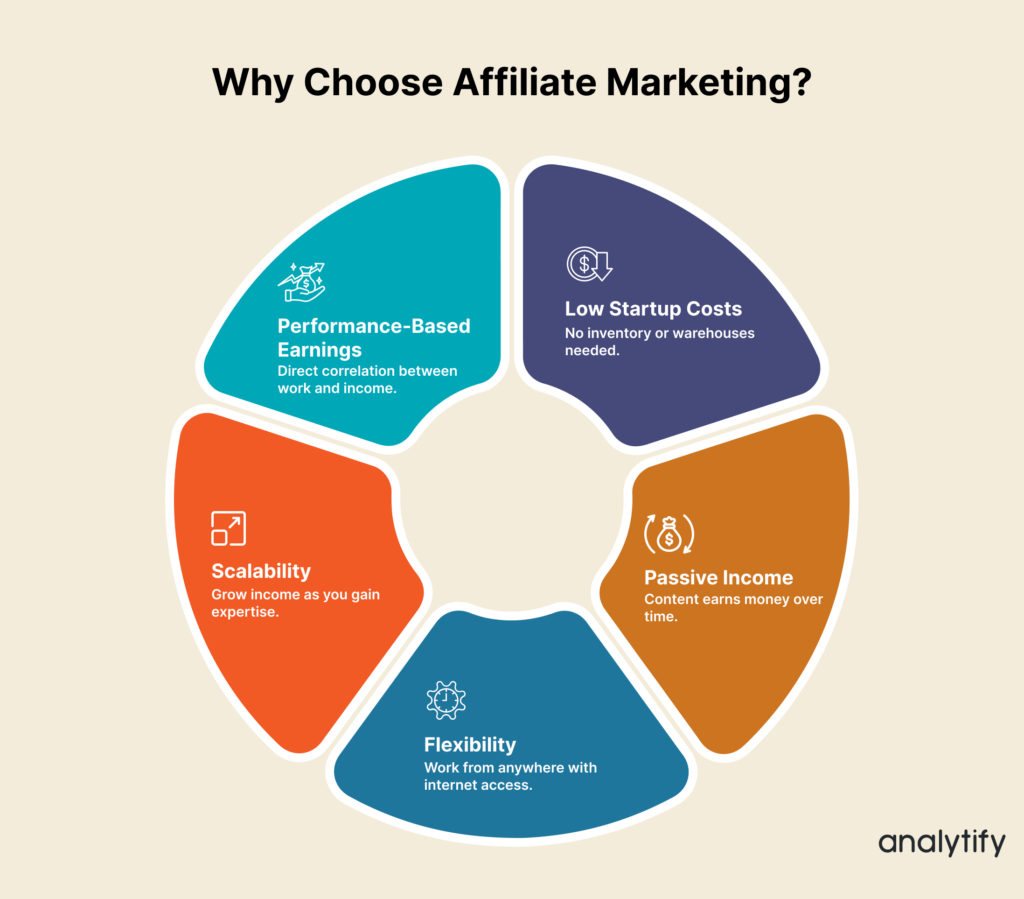
- Low Startup Costs: You do not need to own warehouses or handle inventory. All you need is a platform and an idea.
- Passive Income: It helps you earn passive income. You build something once: a blog, a video, a post, and let it earn for you.
- Flexibility: Work from a kitchen table, a city apartment, or the deck of a ship. All you need is an internet connection.
- Performance-Based Earnings: Your work and your reward are bound together, giving you control over your fate. So, earning money depends on your efforts.
- Scalability: From small beginnings, you can build large successes, stepping from affiliate marketing for beginners to the heights of high-ticket affiliate marketing.
It is not without effort, but neither is anything worthwhile.
How Does Affiliate Marketing Work?
Here is the flow of it:
- Sign Up for an Affiliate Program: Find a program that aligns with your interests. Examples include Analytify, Amazon Associates, and Click Bank.
- Get Your Affiliate Links: Once accepted, you’ll receive unique affiliate links to share with your audience.
- Create High-Quality Content: Write blogs, make videos, or create posts explaining the product’s value. Provide real-life examples or benefits.
- Promote on Various Platforms: Share your content and affiliate links on websites, social media, email, or video platforms like YouTube.
- Monitor Performance: Use analytics tools (like Analytify and Google Analytics) to track clicks, conversions, and revenue.
- Earn Commissions: When someone purchases using your link, you earn a percentage of the sale. For some programs, you may also earn for leads or clicks.
So, how do affiliate links work? They are the proof of your role in the sale. A simple mechanism that ensures your efforts do not go unnoticed.
What are the Types of Affiliate Marketing?
Affiliate marketing is like the tides. It shifts and molds itself to the terrain it crosses. It can be divided into types.
Let’s explore the different types of affiliate marketing:
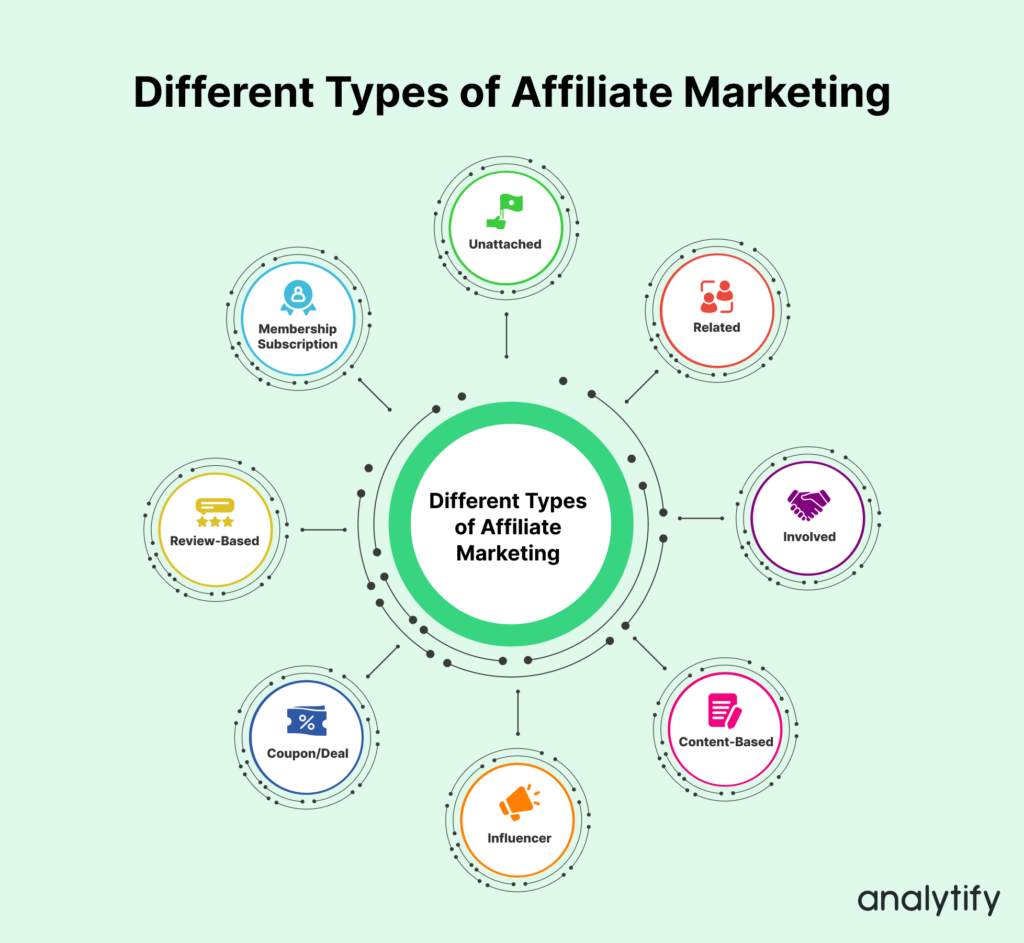
| Type | Best For |
|---|---|
| Unattached Affiliate Marketing | Paid ad marketers with no niche connection |
| Related Affiliate Marketing | Niche bloggers and topical experts |
| Involved Affiliate Marketing | Affiliates who use and trust the product |
| Content-Based Affiliate Marketing | Bloggers and YouTubers with in-depth content |
| Influencer Affiliate Marketing | Social media influencers and creators |
| Coupon and Deal Affiliate Marketing | Deal and coupon sites |
| Review-Based Affiliate Marketing | Comparison and review sites |
| Membership and Subscription Affiliate Marketing | Promoters of subscription services |
1. Unattached Affiliate Marketing
Unattached affiliate marketing means promoting products or services with no personal connection or knowledge of them. There is no direct involvement with the product, the company, or the audience. These affiliates act purely as marketers, focused on driving traffic and sales through external methods.
Example: An affiliate runs pay-per-click (PPC) campaigns on Google Ads for an online graphic design course. They have never taken the course or interacted with its audience.
2. Related Affiliate Marketing
In related affiliate marketing, the affiliate has expertise or a relationship in the niche of the product they promote. They do not necessarily use the product themselves. They use their knowledge or authority in the niche to promote it to their audience.
Example: A fitness blogger who writes about workouts and healthy living promotes gym equipment or supplements. They may not use every product personally, but they understand its value for their audience.
3. Involved Affiliate Marketing
Involved affiliate marketing means the affiliate has firsthand experience with the product they promote. They use the product themselves, trust its quality, and endorse it based on genuine experience.
Example: A traveler speaks of a booking platform they used on a long journey. He shares how it worked and how it saved time.
4. Content-Based Affiliate Marketing
Content-based affiliate marketing relies on high-quality, informative content to promote products. The product is woven naturally into the content, giving value to the audience while encouraging a purchase through affiliate links.
Example: A man reviews a new phone on YouTube. He speaks of its smooth edges, its bright screen, and its flaws. He leaves a link. People watch, and some click the link drawn by his words.
5. Influencer Affiliate Marketing
Influencer affiliate marketing uses an influencer’s large, engaged social media following to promote products. Influencers act as trusted voices in their niches, using their platforms to encourage followers to buy through affiliate links.
Example: An Instagram creator applies lipstick on camera and talks through its features and benefits. She shares an affiliate link in her video description or bio. Followers who trust her recommendation buy through the link, and she earns her share.
6. Coupon and Deal Affiliate Marketing
This one is for bargain hunters. Coupon and deal affiliate marketing promotes products through exclusive discounts, coupons, or special deals. These affiliates target budget-conscious shoppers motivated by savings.
Example: A website offers codes for cheaper clothes. A shopper uses a code, saves money, and the site takes a slice of the sale.
7. Review-Based Affiliate Marketing
Review-based affiliate marketing means creating detailed product reviews to inform and persuade customers. These reviews cover a product’s features, benefits, and drawbacks, helping readers make an informed purchase decision.
Example: A blogger compares web hosting services on pricing, support, and speed. At the end, they recommend the best option and include affiliate links for readers to sign up.
8. Membership and Subscription Affiliate Marketing
Membership and Subscription Affiliate marketing is a long game. You bring a customer not just once but for months, years. Each time they return, you earn a share.
This model focuses on products or services with a recurring subscription.
Example: An affiliate promotes an online learning platform with monthly subscriptions. When someone signs up through the affiliate’s link, the affiliate earns a percentage of the fee for as long as that person stays subscribed.
How to Get Started with Affiliate Marketing (Step by Step)
Getting started with affiliate marketing is simple. The process is almost the same for any program: choose your niche, then find the best ways to market it.
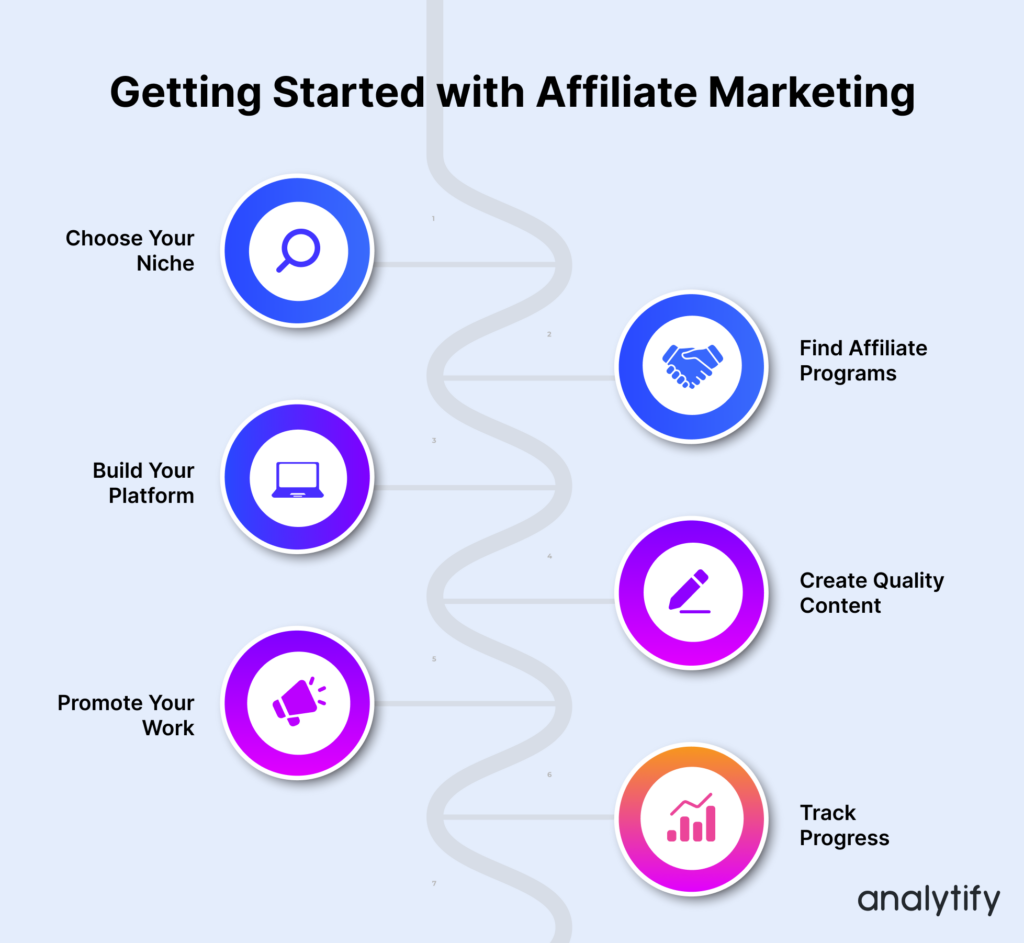
This section covers the step-by-step process of getting started, using the Analytify Affiliate Program to show practical steps.
The Analytify Affiliate Program is a strong opportunity for digital marketers, bloggers, and influencers to earn recurring commissions by promoting a powerful analytics tool. Here is a detailed guide to get started:
Step 1: Choose Your Niche
In any affiliate marketing program, you first need to choose your niche. Your niche is the category or industry you’ll focus on.
Since Analytify specializes in web analytics tools, this program fits niches such as:
- Digital Marketing
- Blogging
- E-commerce
- Small business solutions
- Data analysis and reporting
To stand out, pick a niche where analytics matter and where you can clearly communicate the plugin’s value.
Example: A marketing blogger might focus on “Google Analytics tutorials” and “data-driven decision-making.”
Step 2: Sign Up for the Analytify Affiliate Program
To join the program:
- Visit the Analytify Affiliate Program page.
- Click on Become an Affiliate

- Fill out the application form, providing your website URL, audience details, and promotional strategies.
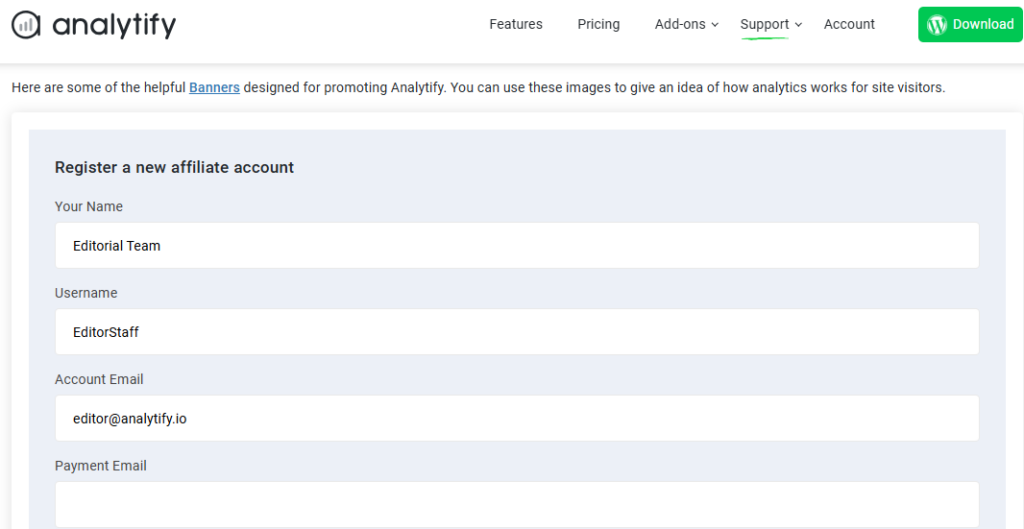
Then click on the Register button below the form.
- Wait for approval from the Analytify team.
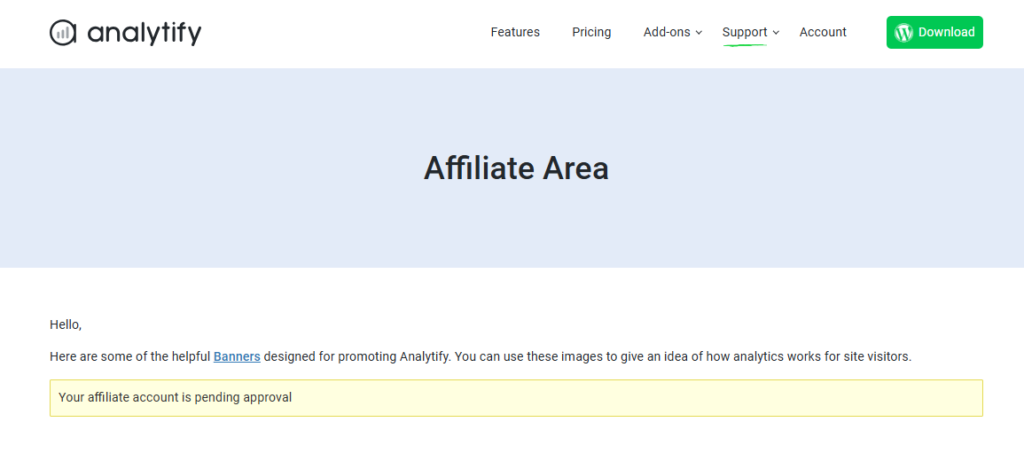
Once approved, you’ll receive a unique affiliate link to promote Analytify.
Step 3: Set Up Your Platform
After choosing an affiliate marketing program, you need to choose your marketing platform. Your platform is where you’ll promote Analytify. Common options include:
- Blog or Website: Create a dedicated website or blog featuring tutorials, reviews, and guides.
- YouTube Channel: Showcase video tutorials on how to use Analytify and its features.
- Social Media: Use Instagram, TikTok, or LinkedIn to share quick tips and the value of Analytify.
Tip: Add an affiliate disclosure to your platform to stay compliant with legal requirements like FTC guidelines.
Step 4: Create Quality Content
High-quality, engaging content is what attracts your audience and gets them to click your affiliate link.
Examples of Content Ideas:
- Tutorials: “How to Track Affiliate Links with Analytify and GA4”
- Comparisons: “Analytify vs. Other Analytics Tools: Which is Better?”
- Case Studies: “How Analytify Helped a Small Business Grow by 50% Using Data Insights”
Visuals: Include screenshots, charts, and examples to make your content visually appealing.
Step 5: Promote Your Content
Reach your target audience by sharing your content across multiple platforms:
- SEO: Optimize your content with keywords like “best analytics tool for marketers” or “how to track website traffic.”
You must know Google Ranking factors to optimize your content. - Email Marketing: Use affiliate email software to send newsletters highlighting Analytify’s features and benefits, along with your affiliate link.
- Social Media Campaigns: Create short, engaging posts or videos to drive traffic to your content.
Step 6: Monitor Your Performance
Use Analytify’s dashboard or Google Analytics to track the performance of your affiliate campaigns. Monitor:
- Clicks: Measure how many people click on your affiliate link.
- Conversions: Track how many people purchase Analytify through your link.
- Revenue: Keep tabs on your earnings from each referral.
Tip: Test different content styles and promotional strategies to find what works best for your audience.
Step 7: Earn Recurring Commissions
The Analytify Affiliate Program offers a competitive recurring commission: you keep earning as long as your referrals stay subscribed. This makes it a strong option for affiliates building a steady income stream.
Example Workflow: How to Promote Analytify
- Write a blog post titled: “Why Analytify is the Best Tool for Tracking Affiliate Links.”
- Include a detailed tutorial with screenshots of the plugin in action.
- Share the post on LinkedIn, Facebook, and relevant forums.
- Use an email marketing campaign to guide your audience to the blog.
These steps set a strong foundation for promoting Analytify and succeeding as an affiliate marketer.
With consistent effort and the right strategies, you can maximize your earnings and build lasting relationships with your audience.
Here are the do’s and don’ts to keep in mind for affiliate marketing.
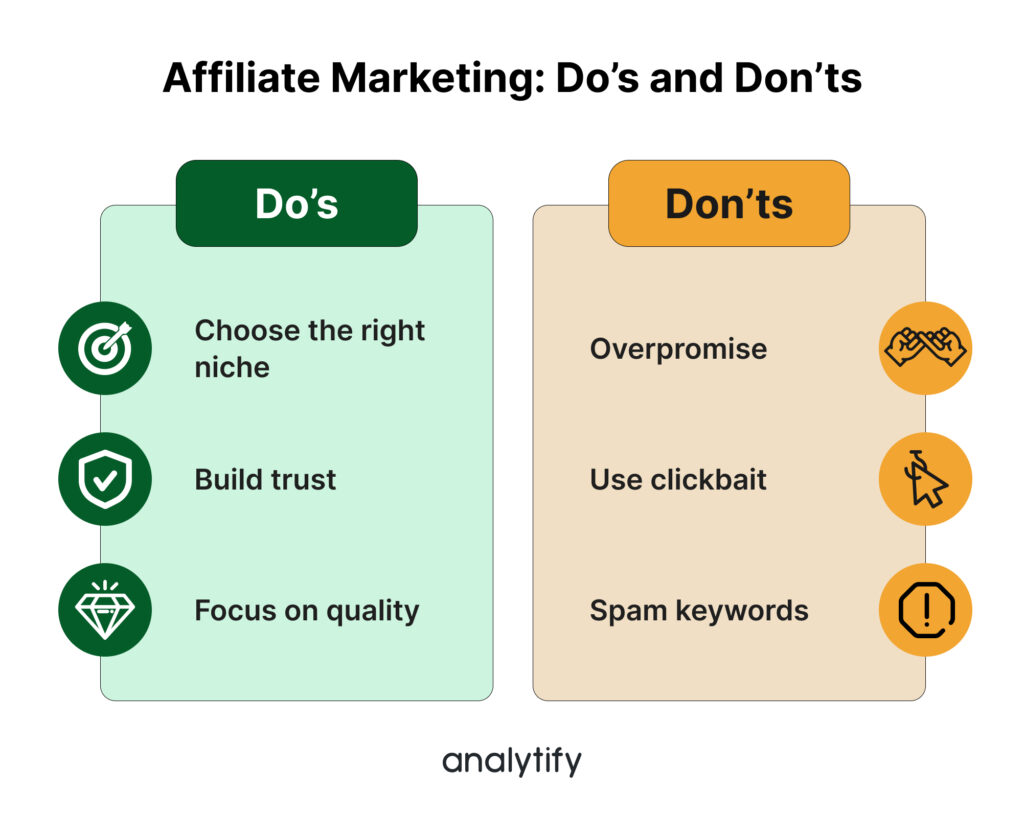
How to Make Money with Affiliate Marketing (Best Ways)
Affiliate marketing offers multiple ways to earn. And the Analytify Affiliate Program is a standout choice for digital marketers, influencers, and bloggers.
Here is how to make money with the Analytify Affiliate Program and other strategies to maximize your earnings:
| Method | Best Channel |
|---|---|
| Content Creation | Blogs, guides, and comparison posts |
| Social Media Marketing | Instagram, TikTok, LinkedIn, Facebook |
| YouTube Tutorials and Reviews | YouTube video tutorials and demos |
| Email Marketing | Newsletters and subscriber lists |
| Build a Niche Website | Dedicated analytics or marketing website |
| Paid Advertising | Google Ads and Facebook Ads (PPC) |
| Host Webinars or Online Workshops | Live webinars and workshops |
1. Content Creation
High-quality, engaging content is the cornerstone of affiliate marketing success. Use the Analytify Affiliate Program to generate recurring income by weaving affiliate links naturally into that content.
Below are some ideas for Content Creation:
- Tutorials: Write blogs or create videos such as “How to Use Analytify to Optimize Your Website Analytics.”
- Reviews: Share honest reviews about Analytify, highlighting its features and benefits.
- Case Studies: Showcase how Analytify helps businesses track and grow their traffic.
Tip: Use screenshots and visuals of Analytify to make your content more appealing and credible.
2. Social Media Marketing
Instagram, TikTok, LinkedIn, and Facebook are great platforms for sharing quick tips, tutorials, or promotional content about Analytify.
Below are some ways to use Social Media for Affiliate Marketing:
- Create short, engaging videos demonstrating Analytify’s features.
- Share success stories or testimonials of businesses using Analytify.
- Post infographics about how Analytify simplifies analytics for marketers.
3. YouTube Tutorials and Reviews
YouTube is a powerful platform for promoting affiliate programs. Create in-depth tutorials showing how to use Analytify, review its features, and demonstrate real-life applications.
Example Video Ideas:
- “5 Reasons Why Analytify is the Best Analytics Tool for Bloggers.”
- “How to Track Affiliate Links with Analytify and GA4.”
Include your Analytify affiliate link in the video description for easy access.
4. Email Marketing
Build trust with your audience through newsletters that share valuable insights alongside affiliate links.
Below are some ways to use Email Marketing:
- Send a welcome email series explaining the benefits of Analytify.
- Offer exclusive tips or strategies for using analytics tools like Analytify effectively.
- Include links to your tutorials or reviews where your affiliate link is embedded.
Example subject line: “Is Your Google Analytics Tracking the Right Data?”
5. Build a Niche Website
A dedicated website on analytics, digital marketing, or website optimization is a great way to promote Analytify. Fill it with blogs, guides, and comparison posts that naturally include your affiliate link.
Sample Blog Post Ideas:
- “Analytify vs. Competitors: Which Analytics Tool is Right for You?”
- “The Ultimate Guide to Using WordPress Plugins.”
SEO optimization helps your site attract organic traffic, which leads to more clicks and conversions.
6. Paid Advertising
Invest in pay-per-click (PPC) advertising to drive targeted traffic to your content. Google Ads and Facebook Ads work especially well for a high-converting program like Analytify.
Tips for Success:
- Focus on keywords like “best analytics tool for marketers” or “track website traffic with Analytify.”
- Use retargeting ads to reach visitors who didn’t convert the first time.
7. Host Webinars or Online Workshops
Demonstrate Analytify’s capabilities through live webinars or recorded workshops. These formats allow you to connect with your audience directly and provide hands-on insights.
Example Topics for Webinars:
- “How to Use Analytify to Track Your Affiliate Marketing Success.”
- “Maximizing ROI with Analytify: A Marketer’s Guide.”
Include your affiliate link in follow-up emails or resource pages for attendees.
Why Choose the Analytify Affiliate Program?
Analytify’s high-ticket Affiliate Program offers several key benefits that make it a strong way to earn money:
- High Conversion Rates: Analytify’s user-friendly features make it a popular choice for marketers, increasing the likelihood of conversions.
- Recurring Revenue: Earn commissions not just once but for every renewal of referred subscriptions.
- Easy-to-Promote Product: With its intuitive interface and practical applications, Analytify is easy to recommend to your audience.
- Support and Resources: Affiliates receive marketing materials, training, and a dedicated support team to help optimize their efforts.
And the rewards?
- A beginner might earn $100 to $1,000 each month.
- A seasoned marketer could make $10,000 or more.
Affiliate marketing is open to everyone, but it rewards those who master the craft. Strong marketing skills are what drive strong earnings.
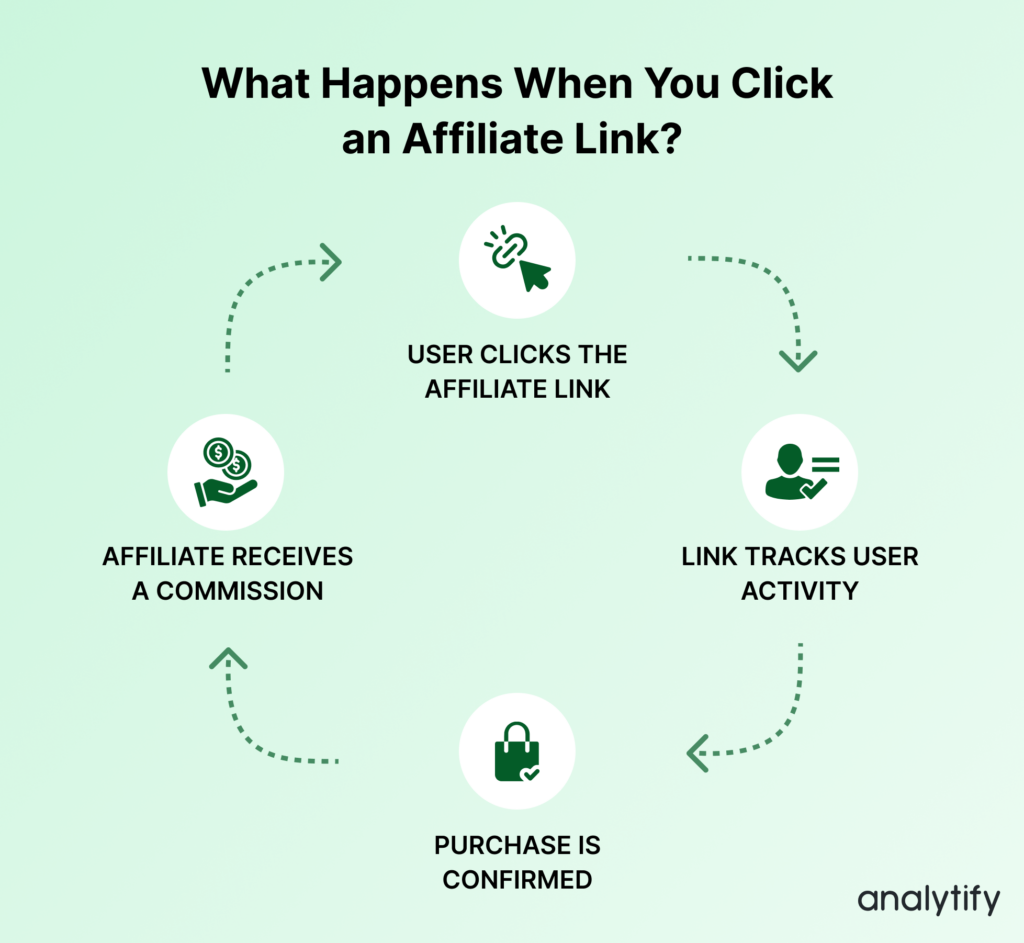
How Do Affiliate Links Work
An affiliate link carries the affiliate’s ID, hidden in the code. When clicked, it tells the merchant who sent the buyer. The click is tracked, the purchase is counted, and the reward is paid out. Simple, but vital.
Tips and Tricks for Successful Affiliate Marketing
In 2024, influencers and affiliate marketers drove 20% of U.S. e-commerce revenue on Cyber Monday, a 7% increase over the previous year.
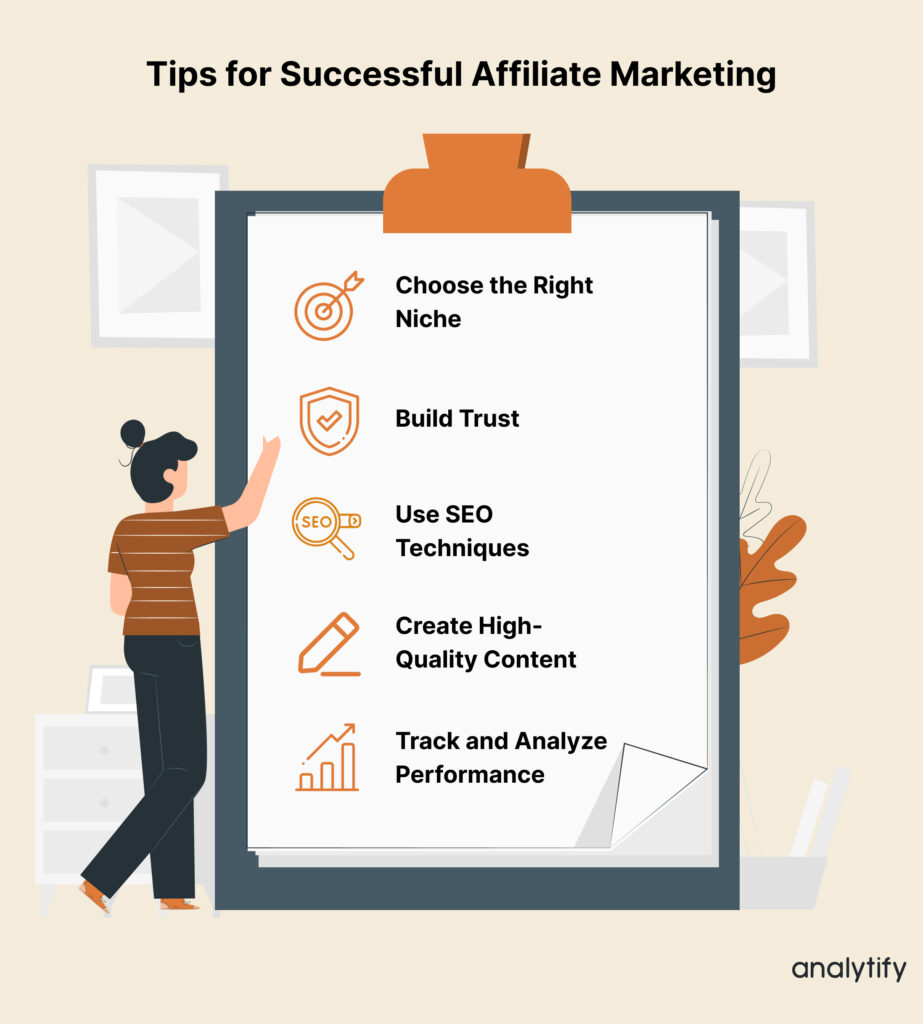
Here are the tips we’ve gathered from helping marketers succeed in affiliate marketing:
1. Choose the Right Niche
The niche is your ground, your battlefield. So, you need to choose it well.
- Follow Your Passion: Speak of what you love or what you know about because people like to hear the truth in your voice.
- Research Demand: Find niches where you can offer unique value, such as advanced tutorials on analytics tools like Analytify.
- Analyze Competition: Research your field, find the empty spaces, and fill them with your craft.
Example: A marketer might focus on a niche like website analytics or SEO, then promote Analytify as the go-to tool for tracking performance.
2. Build Trust with Your Audience
Trust is your gold. Guard it well.
- Promote Genuine Products: Speak only of what you know. False words are a hollow trade. So, you need only to recommend products you believe in, like Analytify, which simplifies analytics for marketers.
- Be Transparent: Let your audience see your hand, and they will not doubt your heart. Disclose your affiliate relationships.
- Engage Regularly: Answer their comments and their questions. Be there, always.
3. Use SEO Techniques
The path to your work must be clear.
- Keyword Research: Use tools like Ahrefs or Google Keyword Planner to target keywords like “best analytics tools for bloggers” or “how to use Analytify.”
- Optimize Content: Incorporate keywords naturally into your titles, headings, and content.
- Earn Backlinks: Create high-quality content that other websites will want to link to, boosting your domain authority.
4. Create High-Quality Content
Your content should be informative, engaging, and valuable to your audience.
Content Ideas for Promoting Analytify:
- Tutorials: “How to Set Up Analytify on Your WordPress Site.”
- Case Studies: “How Analytify Helped a Small Business Increase Their Traffic by 50%.”
- Comparisons: “Analytify vs. Other Analytics Tools: Which One is Right for You?”
Screenshots, charts, and visuals make your content more engaging and credible.
5. Track and Analyze Performance
Know your ground. Know your path.
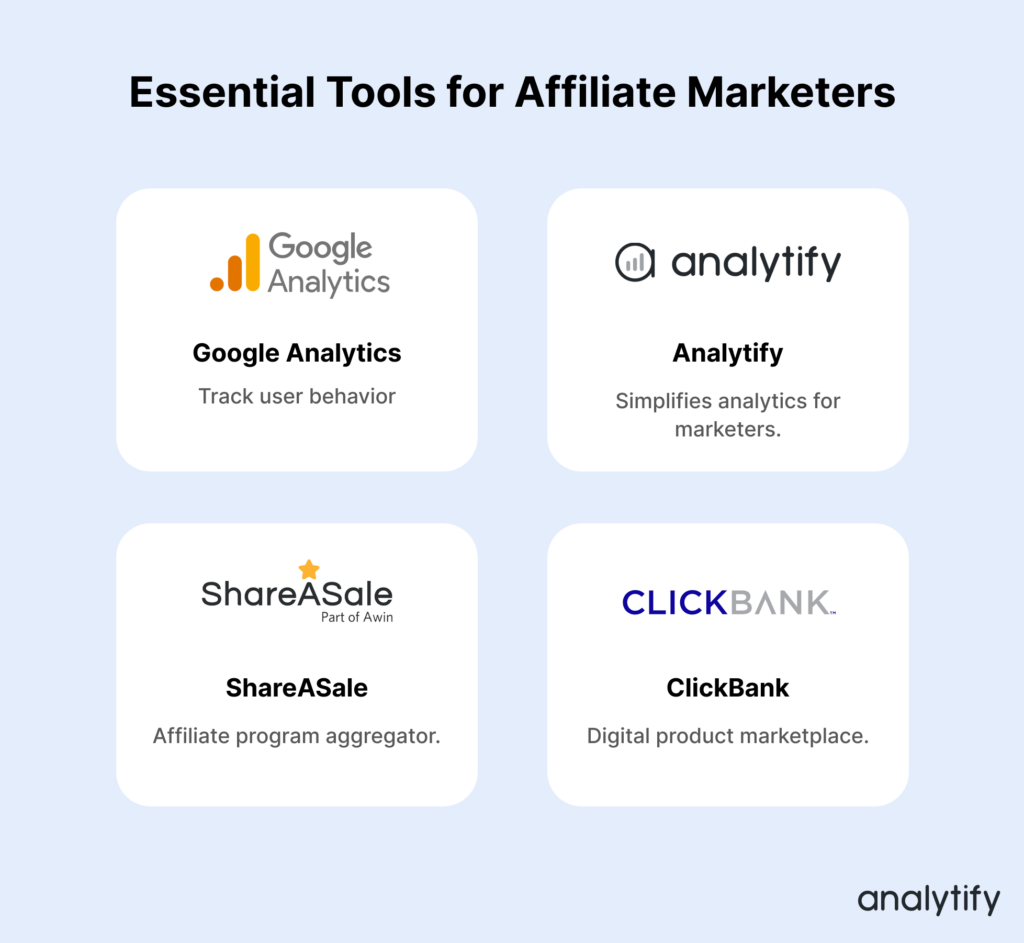
- Use Analytics Tools: Use G4 and Analytify to measure your steps, your gains, and your losses.
- Monitor Metrics: Watch the signs and signals. They will guide you.
- Test and Optimize: Try new ways and new words. Find what works. Do A/B testing. Experiment with different headlines, call-to-actions, and link placements to see what resonates most.
6. Stay Updated on Trends
The world turns. Turn with it. You need to stay updated on the latest trends in your industry.
- Follow Industry Blogs: Learn from the masters, the ones who came before.
- Join Communities: Share your thoughts and your fears. Grow with others.
- Attend Webinars and Events: Seek knowledge, always.
7. Experiment with Platforms
Do not put all your gold in one chest.
- Use Social Media: Speak where the people gather. Share your content on social media.
- Start a YouTube Channel: Let them see you and hear you.
- Use Email Marketing: Reach out to them personally.
- Try Podcasts: Share your thoughts and your voice.
8. Be Patient and Persistent
The road is long, but the journey is worth it.
- Set Realistic Goals: Know what you seek and measure your steps.
- Celebrate Small Wins: The small victories will carry you to the great ones.
- Keep Learning: There is always more to know, more to try, more to build.
Put these tips into practice, and you will be on your way to affiliate marketing success. Start earning today by joining the Analytify Affiliate Program!
How Much Affiliate Marketers Earn?
Affiliate marketing has grown strong in recent years. It rewards those who learn the trade and apply the right strategy. Success is not guaranteed, but its promise draws many into the field.
Earnings in 2024
- Average Monthly Income: Affiliate marketers earn an average of approximately $8,038.
- Annual Earnings: 35% of affiliate marketers generate at least $20,000 in annual revenue, while 15% report yearly earnings ranging from $80,000 to $1 million.
- Income by Experience Level:

According to Demand Sage:
- Beginners: Earn between $0 to $1,000 per month.
- Intermediate: Earn between $1,000 and $10,000 per month.
- Advanced: Earn between $10,000 to $100,000 per month.
- Super Affiliates: Earn over $100,000 per month
- Education and eLearning: Average monthly income of $15,551.
- Travel: Average monthly income of $13,847.
- Beauty and Skincare: Average monthly income of $12,475.
- Beauty and Skincare: Average monthly income of $12,475.
Projected Earnings for 2026
Specific 2026 income projections for individual affiliates are not readily available, but the industry’s expected growth points to higher earnings ahead:
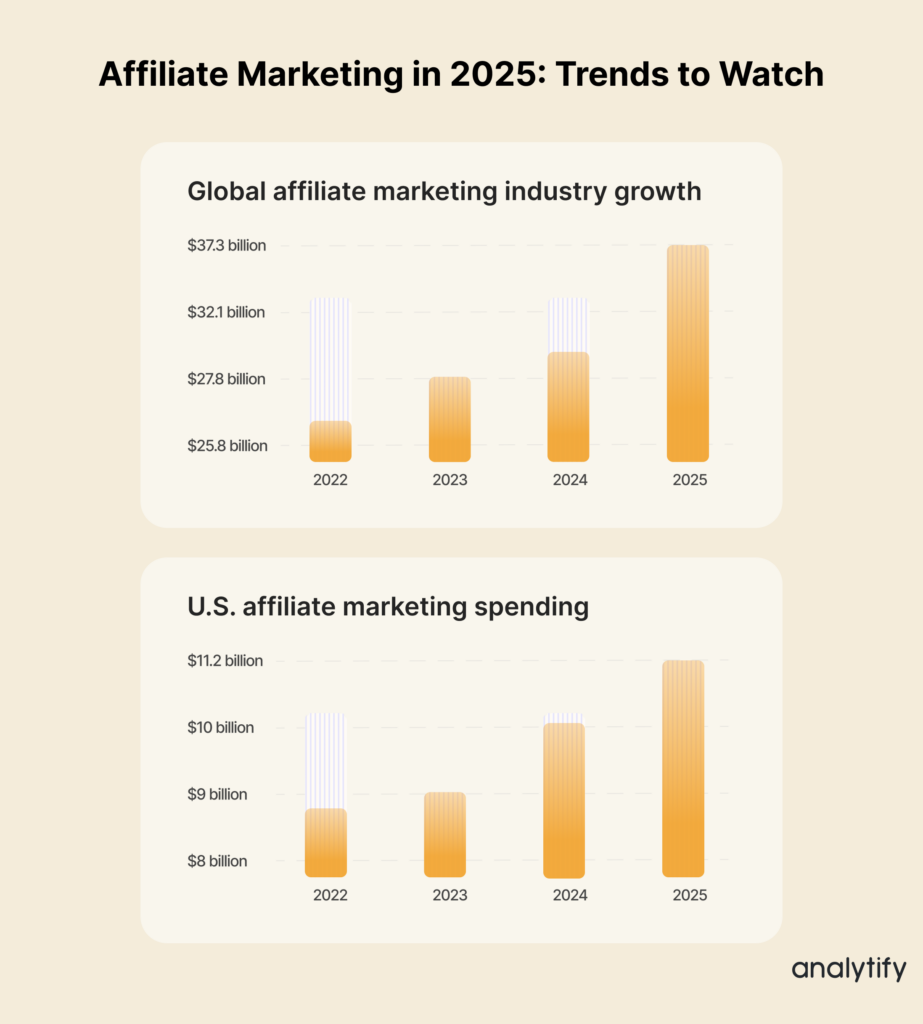
- Industry Growth: The global affiliate marketing industry is expected to grow from $27.8 billion in 2023 to $37.3 billion by 2025, indicating a compound annual growth rate (CAGR) of approximately 16%.
- Spending in the U.S.: Affiliate marketing spending in the United States is projected to reach $11.2 billion by 2025, up from $10 billion in 2024.
These industry stats suggest affiliate marketers can see solid income growth if they adapt to market trends.
Factors Influencing Earnings
Several factors can impact an affiliate marketer’s income. Below are some of the important details:
- Experience Level: Seasoned marketers with established strategies and networks tend to earn more.
- Niche Selection: Profitable niches like education, travel, and beauty offer higher earning potential.
- Marketing Strategies: Utilizing effective channels such as SEO, content marketing, and social media can enhance earnings.
- Affiliate Programs: Choosing programs with competitive commission rates and recurring commissions can significantly impact income.
Famous Affiliate Program Examples
Here are some top affiliate marketing programs you can explore:
1. Analytify Affiliate Program
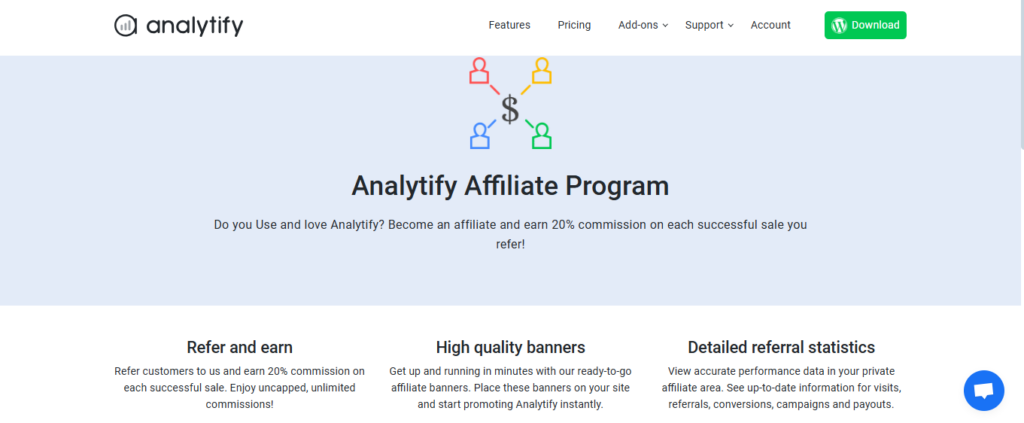
The Analytify Affiliate Program is designed for digital marketers, content creators, and influencers passionate about analytics and insights. Joining the program is completely free. All you need to do is apply.
Once approved, affiliates get a unique link to promote Analytify’s tools to their audience. They earn a commission every time someone buys an Analytify plan through that link.
Analytify affiliates can earn up to 30% recurring commission per referred customer, on average. There is no cap on earnings; your results depend on your marketing strategy and audience engagement.
Why Choose the Analytify Affiliate Program?
- High Conversion Rates: Analytify’s analytics tools are in demand among businesses aiming to optimize their data-driven strategies.
- Comprehensive Support: Affiliates have access to marketing materials, tutorials, and a dedicated support team to maximize their success.
- Recurring Revenue: Earn commissions for every renewal of a referred customer’s subscription.
The Analytify Affiliate Program fits affiliates focused on marketing tools and analytics solutions.
Many affiliates use YouTube for tutorials on using Analytify, TikTok for business success stories with analytics, and long-form blog posts on Analytify’s benefits.
How to Join the Analytify Affiliate Program
- Visit the Analytify Affiliate Program page to learn more and apply.
- Fill out the application form and await approval from the Analytify team.
- Once approved, receive your unique affiliate link and start promoting.
- Track your performance and earnings through the affiliate dashboard.
Analytify makes it easy for affiliates to succeed, while giving businesses the tools they need to stay competitive in a data-driven world.
2. Amazon Associates
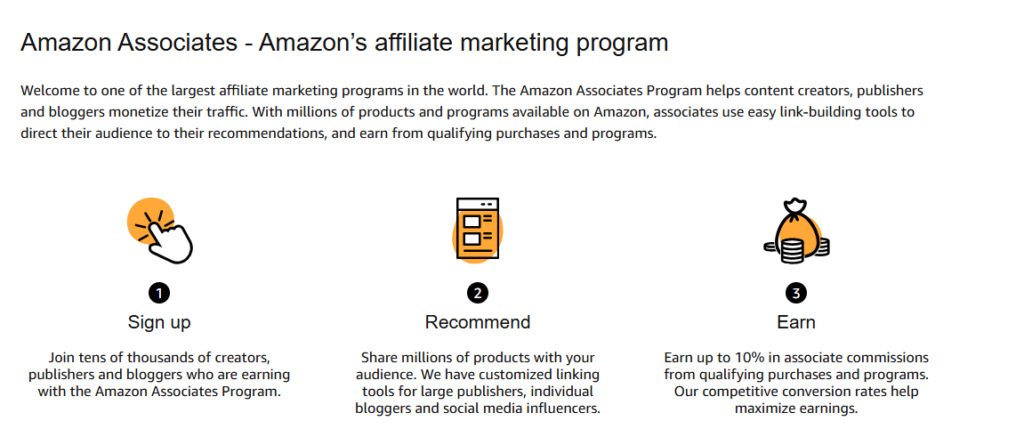
Amazon Associates is one of the largest and most versatile affiliate programs worldwide. Affiliates can promote Amazon’s extensive catalog of products across various categories. Commissions vary by product type, typically ranging from 1% to 10%.
Why Choose Amazon Associates?
- Global Reach: Tap into Amazon’s expansive customer base and well-established trust.
- Easy to Join: Signing up is straightforward, and affiliates gain access to a vast range of products.
- Higher Conversions: Amazon’s trusted reputation and universal appeal often lead to above-average conversion rates.
Affiliates often create niche blogs, YouTube reviews, and social media posts to promote Amazon products, using the platform’s user-friendly affiliate tools.
3. ClickBank
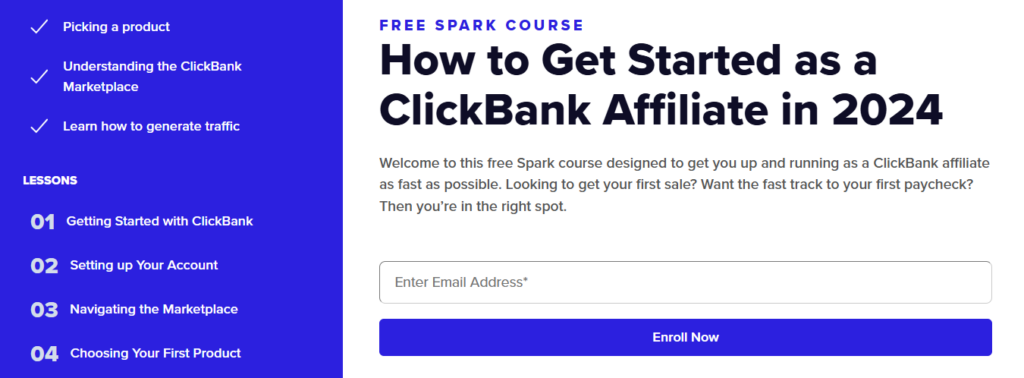
ClickBank is a top choice for affiliates who specialize in digital products like eBooks, online courses, and software. Some programs offer commissions of up to 75% per sale.
ClickBank also runs a B2B Affiliate Program, where businesses promote ClickBank products to other businesses and earn commissions on sales from their referrals.
Why Choose ClickBank?
- Lucrative Commissions: Earn significantly higher percentages compared to many physical product affiliate programs.
- Focused on Digital Products: Ideal for marketers targeting niche digital categories.
- Easy Payouts: Reliable and timely commission payouts.
Affiliates use blogs, YouTube channels, and email marketing to promote ClickBank products. Well-targeted audiences tend to see the most success.
| Program | Commission | Best For |
|---|---|---|
| Analytify Affiliate Program | Up to 30% recurring | Digital marketers, content creators, and influencers in analytics |
| Amazon Associates | Typically 1% to 10% | Niche bloggers, YouTube reviewers, and social media promoters |
| ClickBank | Up to 75% per sale | Affiliates who specialize in digital products like eBooks and courses |
Frequently Asked Questions
1. Is Affiliate Marketing Legitimate?
Yes, affiliate marketing is legitimate. It pays on performance, so you earn a commission only when your referral leads to a sale. Amazon and Analytify both run affiliate programs to grow their business.
2. What Are the Best Affiliate Marketing Programs?
The best affiliate marketing programs include Analytify, Amazon Associates, ShareASale, ClickBank, and CJ Affiliate. Each one serves a different niche and audience.
3. Do I Need a Website for Affiliate Marketing?
No, a website is not mandatory. You can promote affiliate links through social media, email, or YouTube. A website still helps you build credibility and attract organic traffic.
4. How Long Does It Take to Make Money with Affiliate Marketing?
Results depend on your effort, strategy, and niche. Beginners often need a few months to see results. Experienced marketers earn faster by using an existing audience and proven strategies.
5. What Are the Costs Associated with Affiliate Marketing?
Affiliate marketing has low startup costs. You may pay for hosting, a domain, and marketing tools. Programs like the Analytify Affiliate Program are free to join.
6. Why Is My Affiliate Link Not Tracking Sales?
A few things break affiliate tracking. The cookie window may expire before the customer buys. An ad blocker may strip the tracking parameter from your link. The link itself may be malformed or missing your unique ID. Connect Analytify to your WordPress site to monitor click-through and conversion data in GA4 and catch tracking gaps early.
7. Can I Do Affiliate Marketing Without a Large Following?
Yes. Affiliate marketing works without a large audience if you target search intent instead of follower count. SEO content and comparison articles can earn commissions on their own, even from a small site. Focus on solving one specific problem someone is already searching for.
Final Thoughts
Affiliate marketing is a fantastic way to earn money online. It offers flexibility, scalability, and the chance to create passive income. Whether you are a beginner or an experienced marketer, affiliate marketing has endless opportunities.
Start by exploring reputable affiliate programs like the Analytify Affiliate Program. With dedication, the right strategy, and the right tools, you can succeed as an affiliate marketer.
We hope this guide helped you understand affiliate marketing. Now you know how to get started.
You can also learn how to effectively monitor your affiliate link performance using Google Analytics 4 to optimize your marketing strategy.
You may also want to read How To See Referral Traffic In GA4 (Google Analytics 4).