Download
GA4 Landing Page Report

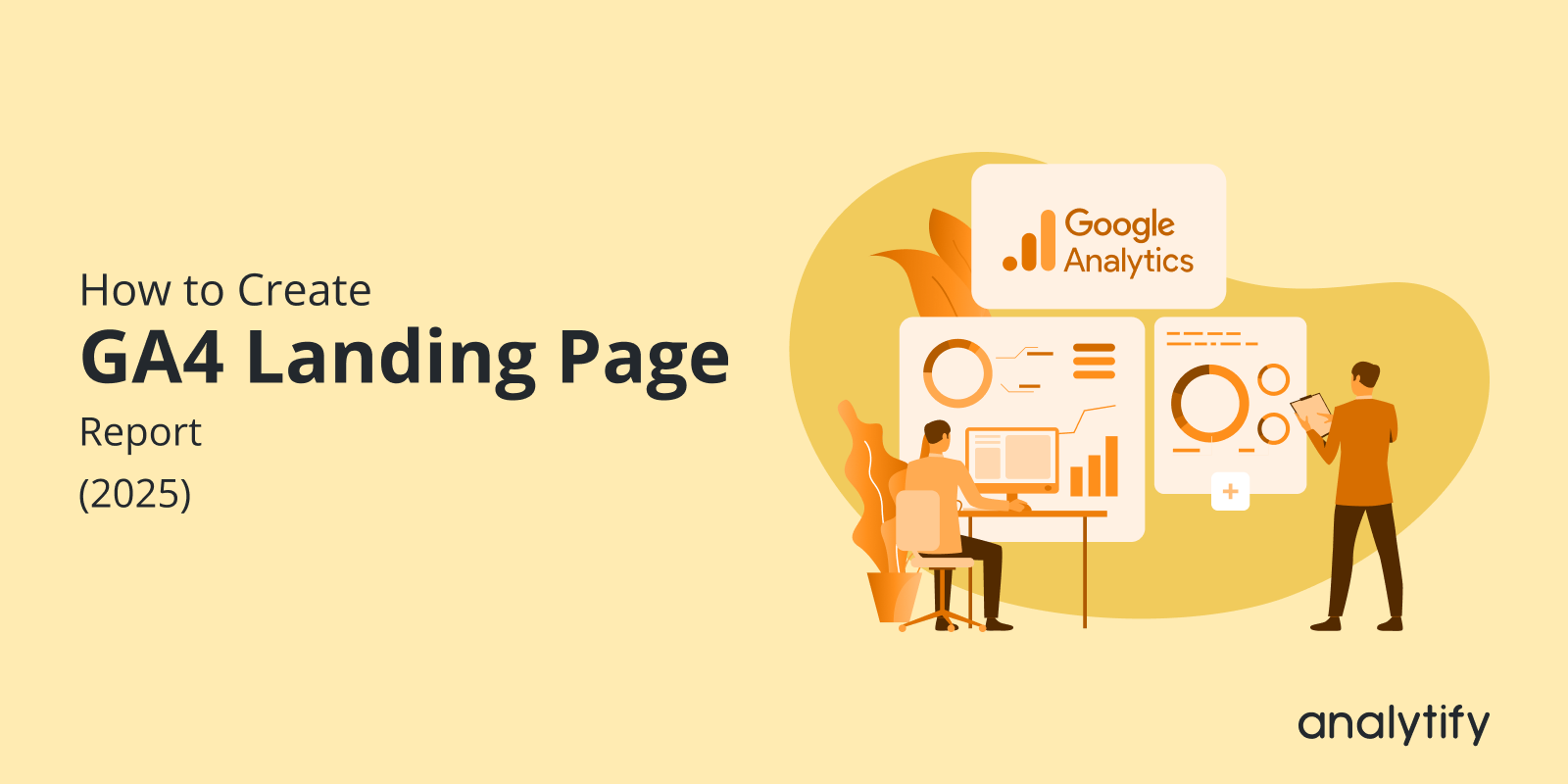
How to Create a GA4 Landing Page Report

To create a GA4 landing page report, open Reports, then Engagement, then Landing page, or build a custom report in Explore. Both show which pages visitors enter your site on and how those visits perform.

This guide covers the native Landing page report and three ways to build your own report, so you can pick the method that fits your workflow. 

In this article, you’ll learn how to create a detailed GA4 landing page report , customize it for your unique goals, and analyze the data to optimize user experience and boost conversions. By the end, you’ll have enough information and tools to turn your Google Analytics landing page report into powerful drivers of success.

Let’s get started!

Continue reading “How to Create a GA4 Landing Page Report” →
mixpanel vs google analytics

Mixpanel vs Google Analytics (Detailed Comparison 2026)

Choosing between Mixpanel vs Google Analytics comes down to one question: do you need to understand website traffic or user behavior inside a product?

For a complete walkthrough, see our guide: How to Set Up Google Analytics 4 and Connect it to Your WordPress Site?.

Google Analytics tracks how visitors find and navigate your website. Mixpanel tracks what individual users do inside your app or product.

In this guide, I’ll compare both tools across features, ease of use, tracking, pricing, and support. You’ll see which one fits your business.

Continue reading “Mixpanel vs Google Analytics (Detailed Comparison 2026)” →
Google Analytics QR Code Tracking

Google Analytics QR Code Tracking (Explained)

To track QR codes in Google Analytics, add UTM parameters to the URL inside your QR code, then read the results in the GA4 Traffic acquisition report. UTM tags tell GA4 the source, medium, and campaign behind every scan.

Understanding the effectiveness of your QR codes , whether printed on posters, flyers, or online, can help you gain valuable knowledge about your marketing campaigns. 

This guide shows how to set up Google Analytics QR code tracking, analyze the collected data, and optimize your campaigns. It suits anyone who wants to understand their audience better.

Let’s get started! 

Continue reading “Google Analytics QR Code Tracking (Explained)” →
9+ Best Website Analytics Tools (2026)

9+ Best Website Analytics Tools (2026)

The best website analytics tools track user behavior, measure marketing ROI, and identify growth opportunities. For WordPress sites, Analytify ($99/year) simplifies GA4 data inside your dashboard: no tab switching. For broader analysis, pair it with Google Analytics 4 (free), Google Search Console (free), and SEMrush ($119.95/month) for competitive insights.

This guide compares 9 analytics tools across features, pricing, and best-fit use cases so you can choose the one that matches your goals: basic traffic tracking, ecommerce analytics, behavior tracking, or SEO.

Continue reading “9+ Best Website Analytics Tools (2026)” →
Matomo vs Google Analytics

Matomo vs Google Analytics: A Detailed Comparison

Matomo and Google Analytics both track visitors, clicks, and site performance, but they differ on the two things that matter most: where your data lives and what you pay for advanced features. Google Analytics (GA4) is free and hosted by Google; Matomo can be self-hosted for full data ownership or run as a paid cloud service.

This guide breaks down where the two overlap, where they differ, and which one fits your site.

Continue reading “Matomo vs Google Analytics: A Detailed Comparison” →
top10 Google Analytics tips and tricks

Top 10 Google Analytics Tips and Tricks

The top 10 Google Analytics tips cover alerts, key events, engagement metrics, secondary dimensions, custom reports, dashboards, new vs. returning users, UTMs, audience segments, and ecommerce tracking. 

Google Analytics is a powerful tool for anyone who wants to understand their website’s performance and user behavior. 

These 10 tips work for beginners and for people who have used Google Analytics for years. They help you get the most out of Google Analytics 4 (GA4). 

Let’s explore the best Google Analytics tips for boosting your online success.

If you’d rather see all these metrics in one place, our guide on How to Build a Website Analytics Dashboard for Your Business walks you through putting them together.

Continue reading “Top 10 Google Analytics Tips and Tricks” →
How to Track File Downloads in Google

How to Track and Measure File Downloads in Google Analytics 4 (2026)

To track downloads and file downloads in Google Analytics 4, turn on File downloads under Enhanced Measurement, or set up a Google Tag Manager trigger for stronger control.

GA4 then logs every PDF, document, or media file a visitor downloads as a file_download event, which you can view in your standard reports or build into a custom report.

This guide covers what download tracking means in GA4, which file types it recognizes, the benefits of tracking downloads, and three setup methods: Enhanced Measurement, Google Tag Manager, and Analytify for WordPress.

Continue reading “How to Track and Measure File Downloads in Google Analytics 4 (2026)” →
Create Google Analytics 4 alerts

How to Create Google Analytics 4 Alerts (Custom Insights)

To create a Google Analytics 4 alert, open Home, click View all insights, click Create, and set the condition that should trigger a custom insight. GA4 calls its alerts custom insights. Finding the needed information from countless metrics and reports can be time-consuming and confusing.

For a complete walkthrough, see our guide: How to Set Up Google Analytics 4 and Connect it to Your WordPress Site?.

This is where Google Analytics Alerts come in handy. They provide a solution for proactive monitoring, notifying you of significant changes or issues without constantly checking your analytics.

This blog post will guide you in creating effective GA4 custom alerts. We’ll explain why alerts are essential and how they differ from Custom Alerts in Universal Analytics, which Google has shut down. We will also give step-by-step instructions for setting and managing Google Analytics 4 alerts. 

Let’s dive right in and unlock the full potential of GA4 alerts for your website!

Continue reading “How to Create Google Analytics 4 Alerts (Custom Insights)” →
Google Tag Manager Best Practices

Google Tag Manager Best Practices: Organizing and Optimizing Your Container

The best Google Tag Manager practices keep your container organized: clear naming, controlled permissions, regular tag audits, and documented changes. A disorganized GTM container leads to inaccurate data, duplicate tags, and slower page loads.

Understanding Google Tag Manager Best Practices is essential for marketers and businesses. Google Tag Manager (GTM) is a tool that simplifies the implementation of tags on your website, allowing for more efficient data collection and analysis.

But just setting up GTM isn’t enough. You need to follow the best practices for Google Tag Manager to get the most out of it.

This guide covers the top 20 Google Tag Manager Best Practices. These tips will help you organize your tags better, improve website performance, and ensure accurate data collection.

Continue reading “Google Tag Manager Best Practices: Organizing and Optimizing Your Container” →
1 … 9 10 11 … 17