Insight Led Marketing: Using Analytics to Guide Strategy (2026)

Most businesses collect a lot of data. Few know how to turn it into decisions.
Insight led marketing closes that gap. It uses analytics to guide every marketing decision, from campaign messaging to budget allocation.
In this guide, I’ll explain to you what insight led marketing is, how it differs from a basic data driven marketing strategy, and how to implement it step by step to achieve real, measurable analytics driven growth.
Insight Led Marketing (TOC):
What is Insight-Led Marketing and How Does it Work?
Insight-led marketing is a strategic approach where marketing decisions are guided by data analysis and behavioral insights, not just raw metrics or historical reports. It explains why customers behave the way they do and uses that understanding to improve campaigns.
A basic data driven marketing strategy tracks what happened. Insight led marketing explains why it happened and tells you what to do next.
The difference matters. Knowing your bounce rate is 65% is a metric. Knowing that bounce rate is highest among mobile users arriving from paid ads is an insight. That insight tells you exactly what to fix.
Insight-Led Marketing vs Data-Driven Marketing
| Factor | Data-Driven Marketing | Insight-Led Marketing |
|---|---|---|
| Focus | Reporting metrics | Understanding behavior |
| Question answered | What happened? | Why did it happen? |
| Decision-making | Reactive | Predictive and strategic |
| KPI approach | Isolated metrics | Connected business outcomes |
| Outcome | Describes performance | Guides improvement |
A data driven marketing strategy tells you how a campaign performed. Insight led marketing tells you what to change to improve it.
How Marketing Intelligence Analytics Drives Growth
Marketing intelligence analytics connects performance data from multiple channels into one view. It reveals patterns in customer behavior, campaign performance, and channel effectiveness, turning raw data into a strategy driven by data rather than assumptions.

Without analytics, marketing decisions rely on guesswork. With the right data, every decision becomes part of a system for continuous improvement.
How analytics transforms marketing, step by step:
- Raw data is collected from your website, email, ads, and social channels.
- Patterns are identified across channels and audience segments.
- Patterns become insights that explain what is driving or limiting performance.
- Insights inform strategic decisions on messaging, budget, and targeting.
- Decisions drive measurable business outcomes and analytics driven growth.
For example: a landing page has a high bounce rate. Analytics shows the bounce is concentrated in mobile users from paid ads. That is an actionable insight that points directly to what needs fixing.
Tip: Analytify connects your GA4 data to your WordPress dashboard. You can see how visitors arrive, what they engage with, and where they drop off, all from one place inside WordPress.
How to Implement Insight-Led Marketing: 4 Steps
To implement insight-led marketing, start with clear business goals, collect data from all channels, analyze it for patterns, then turn those patterns into specific campaign decisions. Each step builds on the last.
Step 1: Start with Business Goals, Not Metrics
Effective insight led marketing begins with clear objectives. Define what your business needs to achieve before you open any dashboard.
Common business goals for insight-led marketing:
- Increase trial sign-ups or newsletter subscriptions
- Boost ecommerce sales and average order value
- Reduce customer acquisition cost
- Improve customer retention and lifetime value
Once goals are set, identify KPIs that measure real progress. Track conversion rates, revenue per visitor, and customer lifetime value. Avoid vanity metrics like raw pageviews or social follower counts.
Note: KPIs must connect directly to business outcomes. A KPI that does not tie to revenue, retention, or acquisition is likely a vanity metric.
Step 2: Collect Marketing Decision Analytics from All Channels
Insight led marketing requires a complete picture of all customer interactions. Isolated channel data creates blind spots.
Data sources to connect:
- Website analytics: pages visited, time on site, scroll depth, conversion events

- Email campaigns: open rates, click rates, conversions by segment
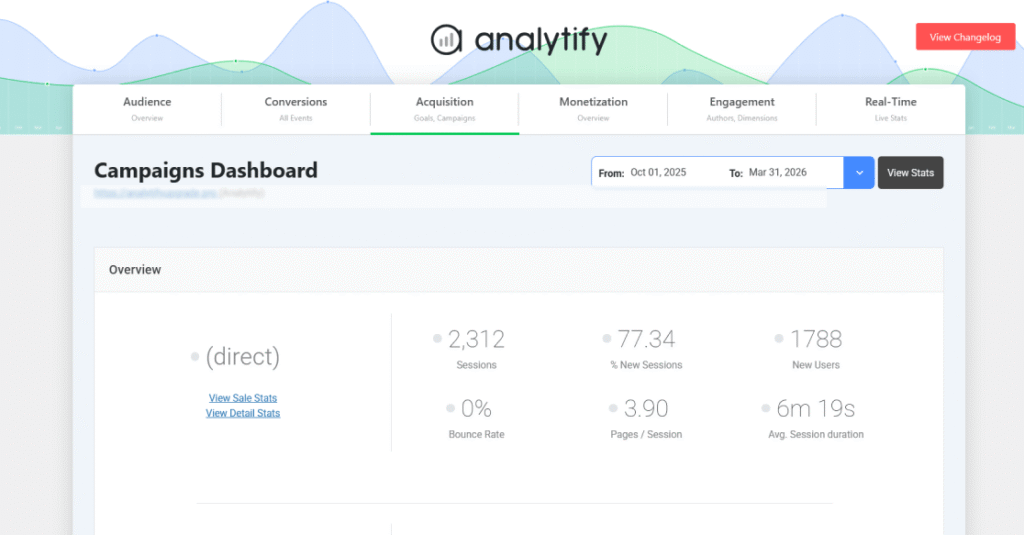
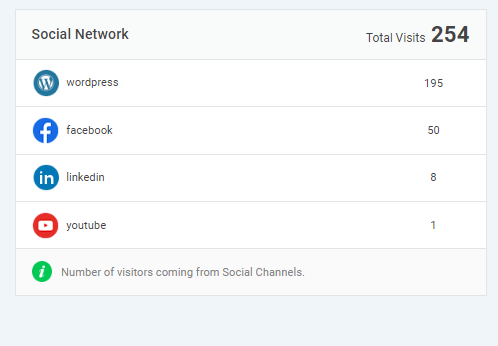
- Social media: engagement, referral traffic, audience demographics
- Paid ads: cost per click, conversion rate, return on ad spend
- Content engagement: which posts drive the longest sessions and most conversions
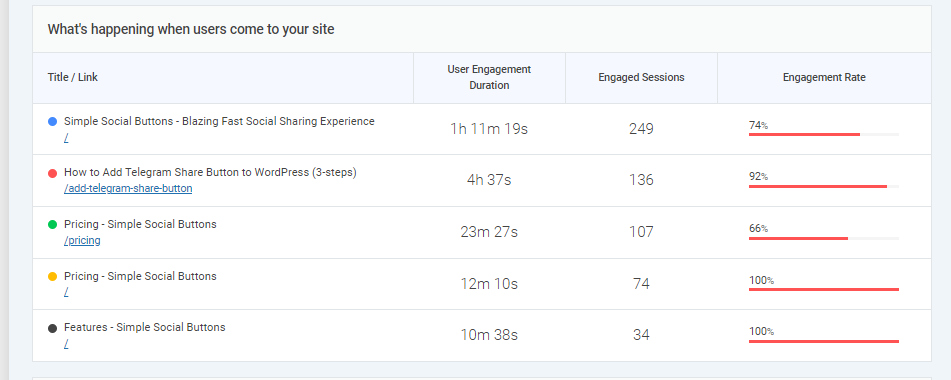
Tip: Analytify integrates your GA4 data directly into WordPress. You get a unified view of all key metrics without switching between platforms.
Step 3: Analyze Data to Find Actionable Patterns
The value of analytics is in the patterns, not the numbers. Stop asking how many visits you got. Start asking which visits converted.
Better questions to ask of your data:
- Which pages drive the most conversions?
- Which traffic sources bring the most valuable users?
- Which content keeps visitors engaged the longest?
- Where do users drop off in the conversion funnel?
- Which audience segments have the highest lifetime value?
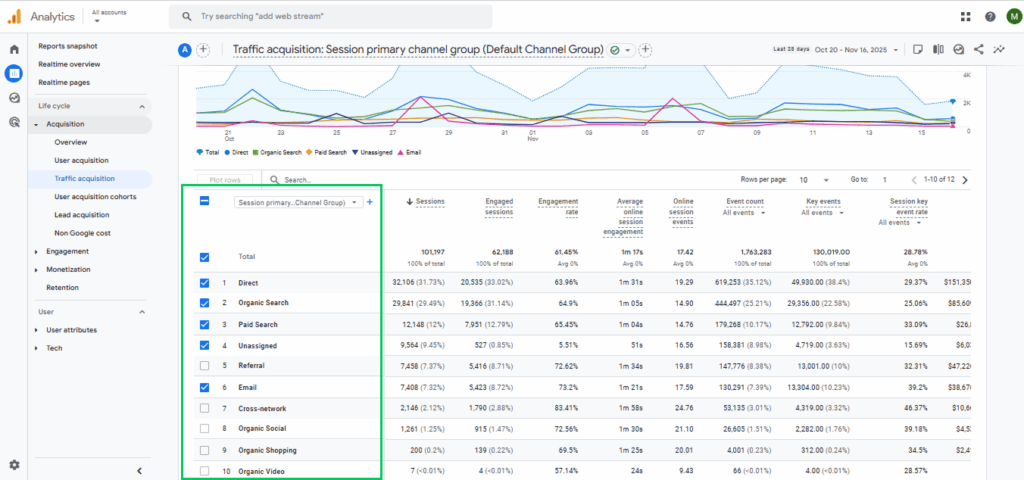
By segmenting users and comparing their behavior, you can identify high-value audiences and prioritize actions with the greatest impact on results.
Step 4: Use Analytics for Marketing Planning and Decision-Making
Analytics for marketing planning means using data insights to decide where to spend budget, how to adjust campaigns, and which audience segments to prioritize. Every decision should be traceable back to a specific insight.
Examples of turning insights into marketing decisions:
| Insight | Marketing Decision |
|---|---|
| Paid ads have high CPC but low conversion rate | Shift budget to organic or email where conversion rates are higher |
| Mobile bounce rate is 80% on checkout page | Prioritize mobile checkout UX improvements |
| Email segment A converts 3x better than segment B | Personalize campaigns for segment A; re-engage or remove segment B |
| Blog posts on topic X drive 60% of trial sign-ups | Create more content on topic X; add CTAs to related posts |
| Users from referral source Y have 2x LTV | Build more partnerships with similar referral sources |
Key Components of Marketing Intelligence Analytics
Effective marketing intelligence analytics requires five components: real-time dashboards, audience and behavior tracking, attribution and ROI analytics, predictive analytics, and accessible visualizations. Together, they turn data into a strategy driven by data.
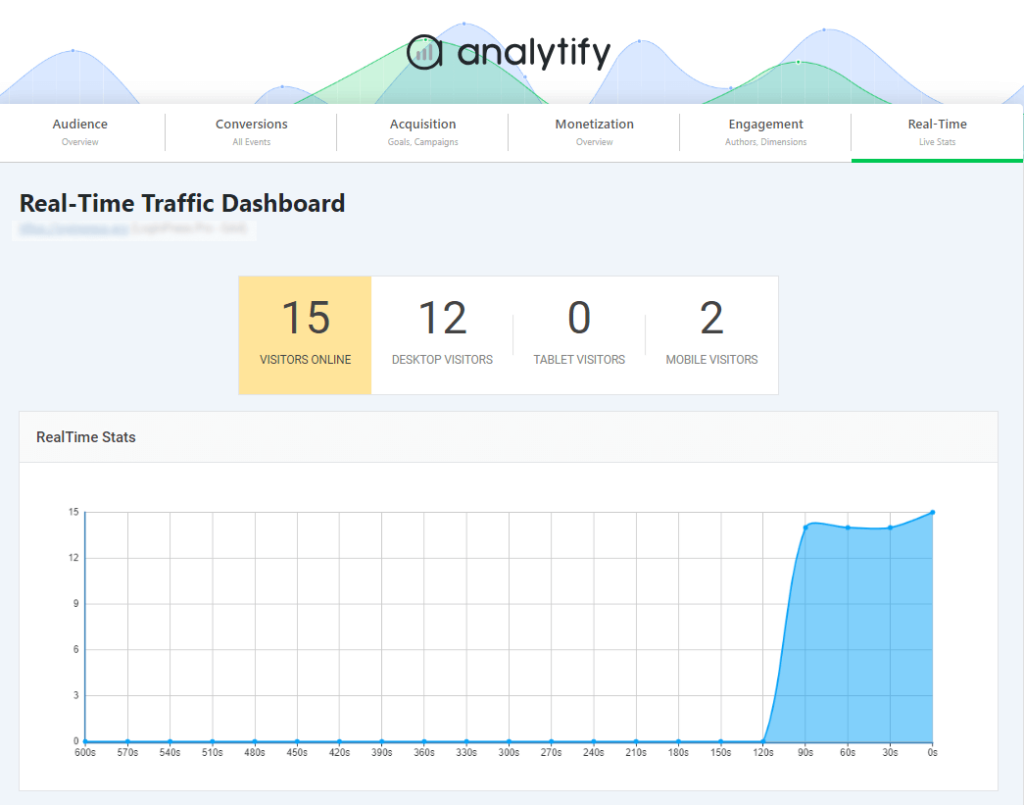
1. Real-Time Dashboards
Dashboards should show critical KPIs in one place: traffic quality, conversions, engagement, and revenue.
Real-time visibility means you can spot problems and opportunities as they happen, not after the fact.
2. Audience and Behavior Tracking
Track how different audience segments interact with your campaigns. Measure engagement, conversion rates, and lifetime value by segment.
These insights reveal which audiences respond best and how to personalize messaging for each group.
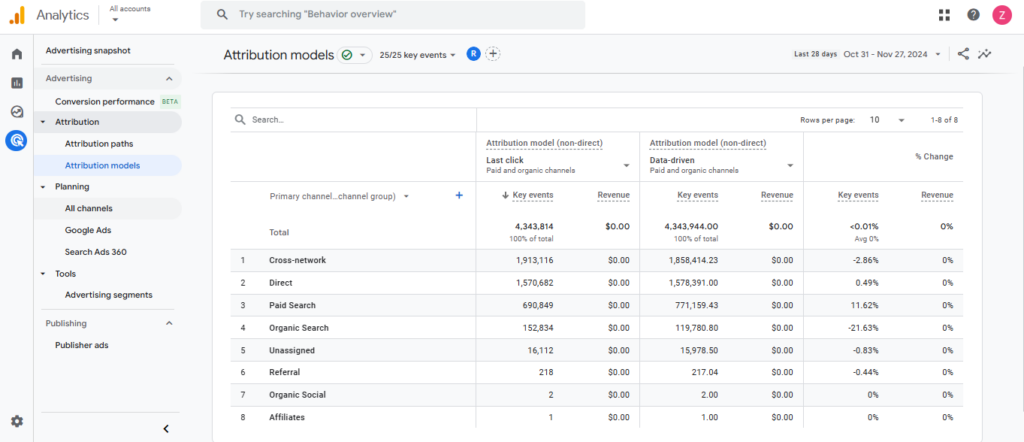
3. Attribution and ROI Analytics
Attribution models connect marketing actions to business outcomes. They show which channels and campaigns actually drive conversions.
Without attribution, you cannot know which spend is working and which is wasted.
4. Predictive Analytics
Predictive analytics identifies future opportunities based on current patterns. Prescriptive analytics goes one step further and recommends the best next action.
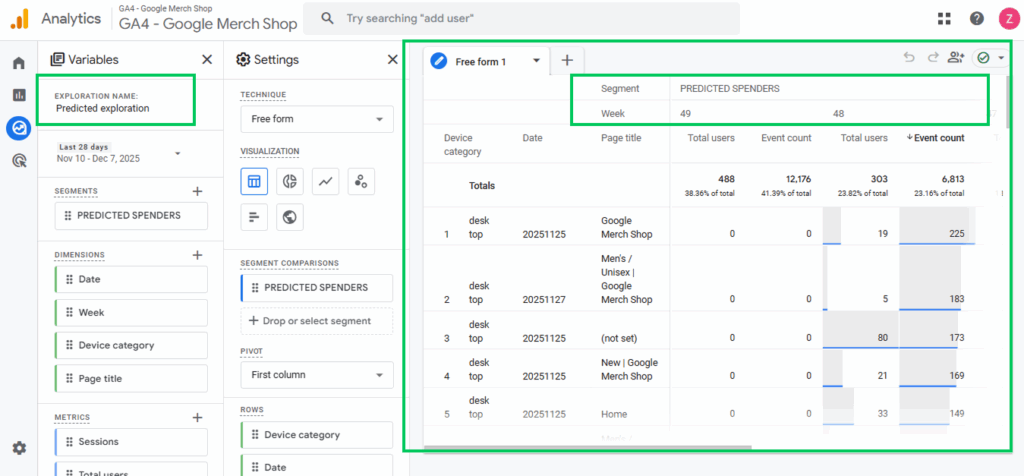
Together, these tools move marketing from reactive reporting to strategy driven by data.
5. Accessible Visualizations and Automated Reporting
Data is only useful when teams can understand it. Clear visualizations and automated reports make analytics accessible across teams of all sizes.
This enables continuous optimization and removes the need for a dedicated analyst to interpret every report.
How to Measure the Impact of Insight-Led Marketing
Measure insight-led marketing performance through engagement metrics, conversion rates, customer lifetime value, and campaign ROI. The most important step is creating feedback loops so each campaign’s insights inform the next one.
| Metric Category | Specific Metrics to Track | What They Tell You |
|---|---|---|
| Engagement | Time on site, pageviews, CTR, social interactions | Whether your content holds attention and drives action |
| Conversions | Form submissions, purchases, sign-ups, goal completions | Whether campaigns drive the actions you need |
| Customer LTV | Revenue per customer segment over time | Which audiences generate the most long-term value |
| Campaign ROI | Revenue generated vs. spend per channel | Which channels and campaigns deserve more budget |
Create feedback loops. Insights from one campaign should directly inform the next. This is the cycle that produces consistent analytics driven growth.
Tip: Analytify automates these measurements. It creates real-time dashboards and generates reports that surface actionable insights automatically.
Common Mistakes to Avoid in Data-Driven Marketing
🤖 Quick Answer: The most common mistakes in data-driven marketing are: tracking the wrong KPIs, analyzing channels in isolation, ignoring context behind the numbers, and failing to use analytics tools to their full capability.
| Mistake | Why It Hurts | How to Fix It |
|---|---|---|
| Relying on vanity metrics | Pageviews and likes do not connect to revenue or retention | Tie every KPI directly to a business outcome |
| Ignoring cross-channel data | Optimizing one channel without context skews decisions | Use a unified dashboard to see all channels together |
| Data without context | Numbers alone miss the story behind behavior | Combine analytics with customer feedback and qualitative research |
| Under-using analytics tools | Missing real-time alerts and automated reports means slower decisions | Set up dashboards, goals, and alerts from day one |
Future Trends in Insight-Led Marketing
The future of insight-led marketing is shaped by AI-assisted predictions, real-time strategy adjustments, self-service analytics, and multi-channel data integration. Teams that adopt these capabilities will move faster and make more accurate decisions.
| Trend | What It Means for Marketers |
|---|---|
| AI-assisted campaign predictions | AI analyzes patterns across large datasets to forecast outcomes and recommend actions before a campaign launches |
| Real-time strategy adjustments | Marketers can tweak campaigns, test variations, and scale what works as it happens, not after weekly reporting |
| Self-service analytics | Marketing teams can explore data and generate insights without waiting for analysts or data teams |
| Multi-channel data integration | All customer touchpoints (web, email, social, mobile, ads) are combined into one view of the full customer journey |
Using Analytify for Insight-Led Marketing on WordPress
Analytify brings your GA4 data into WordPress. It translates complex analytics into clear, readable reports inside your site dashboard.
For marketing teams, this means faster decisions with less time spent navigating GA4.
| Analytify Feature | How It Supports Insight-Led Marketing |
|---|---|
| Real-Time Dashboard | See live traffic, engagement, and conversions as they happen |
| Campaign Tracking (UTM) | Measure the exact ROI of every email, social, and paid campaign |
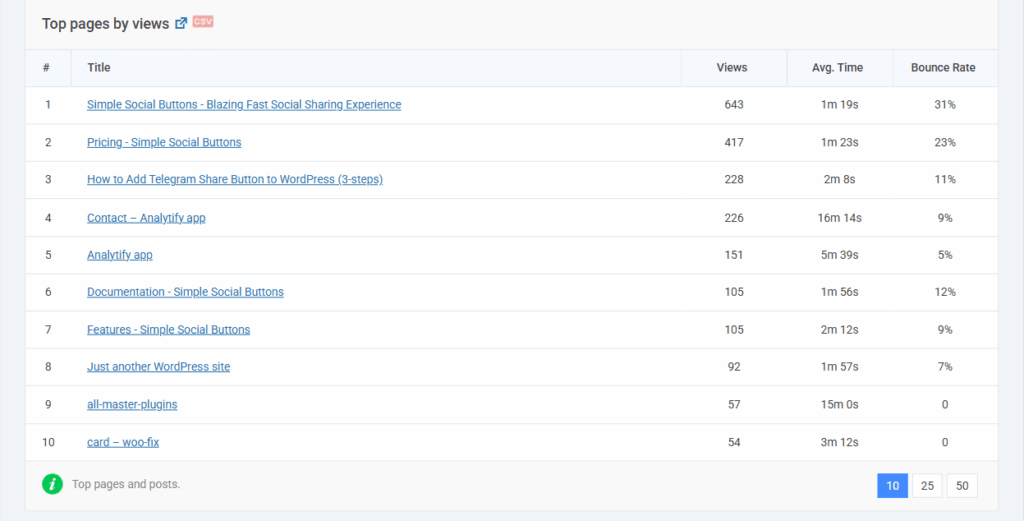
| Top Pages by Views | Identify which content drives the most traffic and conversions |
| Search Term Dashboard | See which keywords attract your most valuable visitors |
| Traffic Source Reports | Understand which channels bring the highest-quality users |
| Event Tracking Addon | Track button clicks, form submissions, video plays, and downloads |
| Email Notification Addon | Get instant alerts when key metrics change unexpectedly |
| Goal Tracking Addon | Measure conversion goals and tie content directly to business outcomes |
Insight Led Marketing FAQs
1. What is insight-led marketing?
Insight-led marketing is a strategic approach where analytics drive every marketing decision. It goes beyond tracking metrics to explain why customers behave the way they do and uses those insights to create more relevant, profitable campaigns. Unlike traditional reporting, it connects data directly to strategy and action.
2. How to use analytics for marketing strategy?
You can use analytics for marketing strategy by collecting data from all channels, analyzing patterns, and connecting insights to business objectives. This allows marketers to optimize campaigns, refine messaging, and allocate budgets effectively, making your strategy data-driven and growth-focused.
3. What are data-driven marketing decisions?
Data-driven marketing decisions are choices about campaigns, budget, targeting, and messaging that are based on analytics data rather than assumptions or intuition. Examples include shifting budget to a channel with a lower cost per acquisition, personalizing emails based on past purchase behavior, or removing a landing page element that consistently increases bounce rate.
4. How to apply analytics for marketing planning?
Analytics for marketing planning means using past and real-time data to prioritize campaigns, forecast outcomes, and align marketing initiatives with business goals. By turning insights into actionable plans, teams can create evidence-based strategies that drive consistent, analytics-driven growth.
5. What is analytics for marketing planning?
Analytics for marketing planning means using data from past campaigns, audience behavior, and channel performance to plan future marketing activities. It includes identifying which content topics attract the most valuable users, which channels have the highest conversion rates, and which audience segments respond best to specific messages. This approach ensures marketing plans are strategy driven by data, not guesswork.
6. What is marketing intelligence analytics?
Marketing intelligence analytics is the practice of collecting, analyzing, and applying data from multiple marketing channels to guide strategy. It combines website analytics, campaign data, audience behavior, and attribution models into a single intelligence layer that informs decisions across the entire marketing function.
Insight Led Marketing: Conclusion
Insight led marketing transforms how businesses make decisions. It moves teams from reactive reporting to a strategy driven by data.
The four steps to get started:
- Set clear business goals and connect them to specific KPIs.
- Collect data from all channels into a unified view.
- Analyze for patterns that explain customer behavior.
- Turn insights into specific marketing decisions and measure the results.
Repeat this cycle continuously and you build a system for consistent analytics driven growth.
Analytify makes this process faster and easier for WordPress users. It surfaces GA4 data inside your dashboard so you can act on insights without leaving your site.
Further Readings:
- Using AI In Marketing Analytics (2026 Guide)
- Top 20 Marketing Hacks for Website Traffic Growth (2026)
Now, I’d love to hear from you what you could achieve if every campaign decision were backed by real, actionable data.