Using Artificial Intelligence in Marketing Analytics (2026 Guide)

AI in marketing analytics went from something I read about to something I actually rely on sometime in the last year, mostly without noticing the shift happen. I used to pull GA4 reports manually every Monday. Now half of that gets flagged for me before I even open the dashboard.
In fact, the U.S. AI market is expected to reach $73.98 billion in 2025, with a projected CAGR of 26.95% between 2025 and 2031. This shows how quickly AI adoption is accelerating.
In this guide, you’ll learn how to use AI tools for marketing analytics to improve your strategy. We’ll cover practical steps, key tools, and best practices to help you optimize campaigns, analyze data more efficiently, and increase your ROI.
AI in Marketing Analytics (TOC):
Understanding AI in Marketing Analytics
AI in marketing analytics uses artificial intelligence to analyze large amounts of data.
It helps marketers:
- Identify trends
- Understand customer behavior
- Make faster decisions
Instead of manual analysis, AI delivers insights automatically and in real time. This makes it easier to understand customer behavior, improve campaigns, and predict future outcomes.
AI goes beyond basic data reporting. It uses advanced technologies like machine learning, natural language processing, and predictive models to deliver deeper insights and more accurate forecasts.
Key Components of AI in Marketing Analytics
- Machine Learning (ML): Learns from historical data to improve predictions over time
- Natural Language Processing (NLP): Analyzes customer reviews, feedback, and social media content
- Predictive Analytics: Uses past data to forecast future behavior, such as purchases or churn
By combining these technologies, AI predictive analytics in marketing helps businesses make smarter decisions, optimize campaigns, and discover new growth opportunities.
How to Use AI in Marketing Analytics
Implementing AI in marketing analytics may seem complex, but you can break it into simple steps.
Follow this process to start using AI effectively in your marketing strategies.
Step 1: Set Clear Marketing Goals
Start by defining what you want to achieve.
Focus on goals like:
- Increasing website traffic
- Improving conversions
- Boosting customer retention
Clear goals help you choose the right AI tools for marketing analytics and measure success.
Step 2: Collect and Integrate Data
AI works best with high-quality data.
Gather data from:
- Website analytics (GA4)
- Email campaigns
- Social media platforms
- CRM systems
When using artificial intelligence in analytics, the more complete your data is, the better your insights will be
Step 3: Choose the Right AI Tools
Select tools that match your goals and data sources.
Popular AI tools for marketing analytics include:
- Google Analytics 4 (GA4): Leverages AI to provide predictive metrics and customer journey analysis.
- HubSpot AI: Offers marketing automation and predictive lead scoring.
- Tableau: A data visualization tool that uses AI to help marketers uncover insights from their data.
These tools help you track performance, analyze user behavior, and generate insights automatically.
Step 4: Apply AI for Analysis and Insights
Now, use AI to process and understand your data.
With AI predictive analytics in marketing, you can:
- Predict customer behavior
- Identify high-performing campaigns
- Detect drop-offs in the user journey
AI can also perform sentiment analysis by reviewing customer feedback and social media interactions.
Step 5: Automate Campaigns and Optimize
AI doesn’t just analyze data. It can also help automate and optimize your marketing campaigns.
You can use AI to:
- Personalize email campaigns
- Optimize ad targeting
- Recommend products to users
This improves efficiency and delivers better results at scale.
Step 6: Monitor and Refine
AI models improve over time, but they need regular monitoring.
Track performance and:
- Review AI-generated insights
- Adjust campaigns based on results
- Update data sources when needed
This ensures your AI in marketing analytics strategy, powered by real-time AI detection, stays aligned with your business goals.
Quick Summary
- Set clear goals before using AI
- Collect and integrate accurate data
- Use the right AI tools for marketing analytics
- Apply AI predictive analytics in marketing for insights
- Automate campaigns and optimize continuously
Benefits of AI in Marketing Analytics
AI in marketing analytics helps businesses make faster decisions, improve campaign performance, and increase ROI.
By using artificial intelligence in analytics, marketers can turn complex data into clear, actionable insights.
1. Better Decision-Making
AI processes large datasets quickly and accurately.
It helps you understand what’s working and what needs improvement.
With insights from AI predictive analytics in marketing, you can:
Reduce guesswork in decision-making
Allocate the budget more effectively
Focus on high-performing channels
2. Real-Time Insights
AI provides instant data analysis.
You can:
- Track user behavior as it happens
- Monitor campaign performance in real time
- Respond quickly to market changes
This helps you stay ahead of competitors and adjust strategies faster.
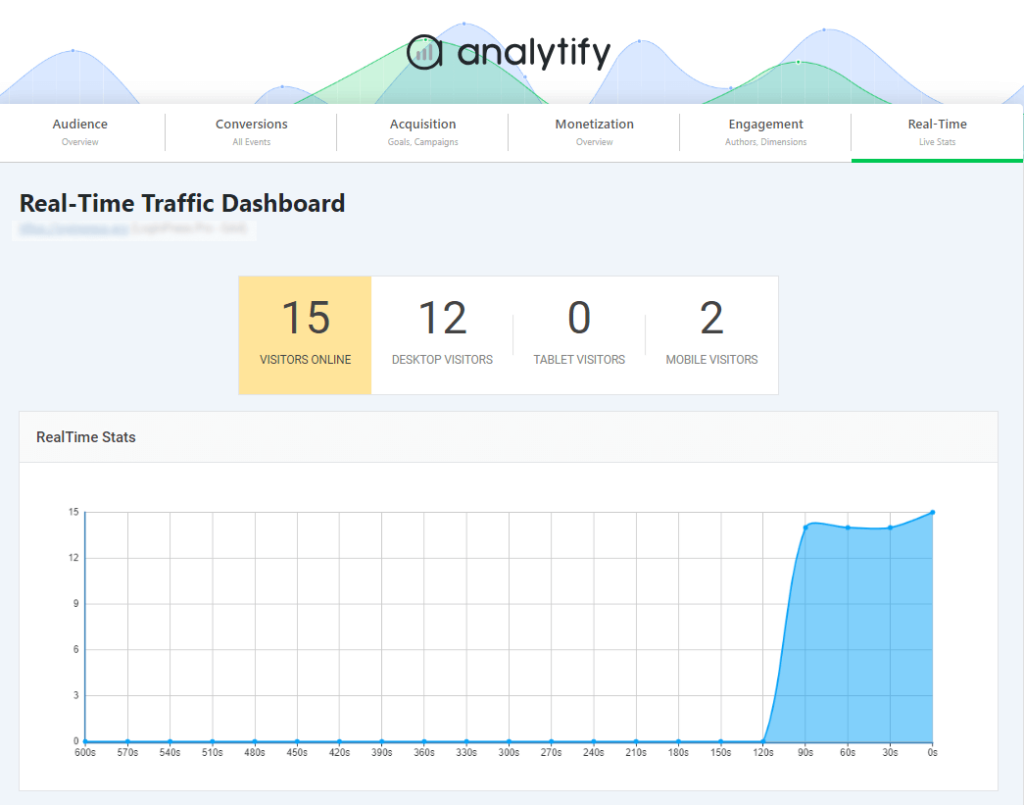
Analytify’s users can also check real-time insights taken from GA4 AI directly on their WordPress dashboard.
3. Personalization at Scale
Modern users expect personalized experiences.
With AI in marketing analytics, you can:
- Segment audiences based on behavior
- Deliver targeted content and offers
- Improve engagement and conversions
AI makes it possible to personalize campaigns without manual effort.
4. Improved Customer Segmentation
AI identifies patterns in customer data that are hard to detect manually.
This allows you to:
- Group users by behavior and preferences
- Create more targeted campaigns
- Improve customer experience
Using AI predictive analytics in marketing, you can even anticipate future customer actions.
Learn How to Create Advanced Segments in Google Analytics.
5. Increased Efficiency
AI automates repetitive tasks like:
- Data analysis
- Report generation
- Campaign tracking
This saves time and allows your team to focus on strategy and creativity.
6. Higher Marketing ROI
AI helps optimize campaigns and reduce wasted spend.
By using the right AI tools for marketing analytics, you can:
- Identify underperforming campaigns
- Optimize ad targeting
- Improve conversion rates
This leads to better results and higher return on investment.
Read How To Improve Content Marketing ROI (10 Proven Ways)
Key AI Tools for Marketing Analytics in 2026
Choosing the right AI tools for marketing analytics is essential for turning data into actionable insights.
These tools help you automate reporting, track performance, and apply AI predictive analytics in marketing to improve results.
Below are some of the most effective tools marketers can use in 2026.
Among these tools, Analytify stands out as a powerful solution for businesses looking to simplify and enhance their marketing analytics efforts.
Join 50,000+ beginners & professionals who use Analytify to simplify their Google Analytics!
1. Google Analytics 4 (GA4)
Google Analytics 4 is a powerful platform for tracking website and app data.
With AI in marketing analytics, GA4 helps you:
- Analyze user journeys across devices
- Track engagement and conversions
- Generate predictive insights
It’s a strong choice for businesses that want data-driven decision-making with built-in AI features.
2. Analytify
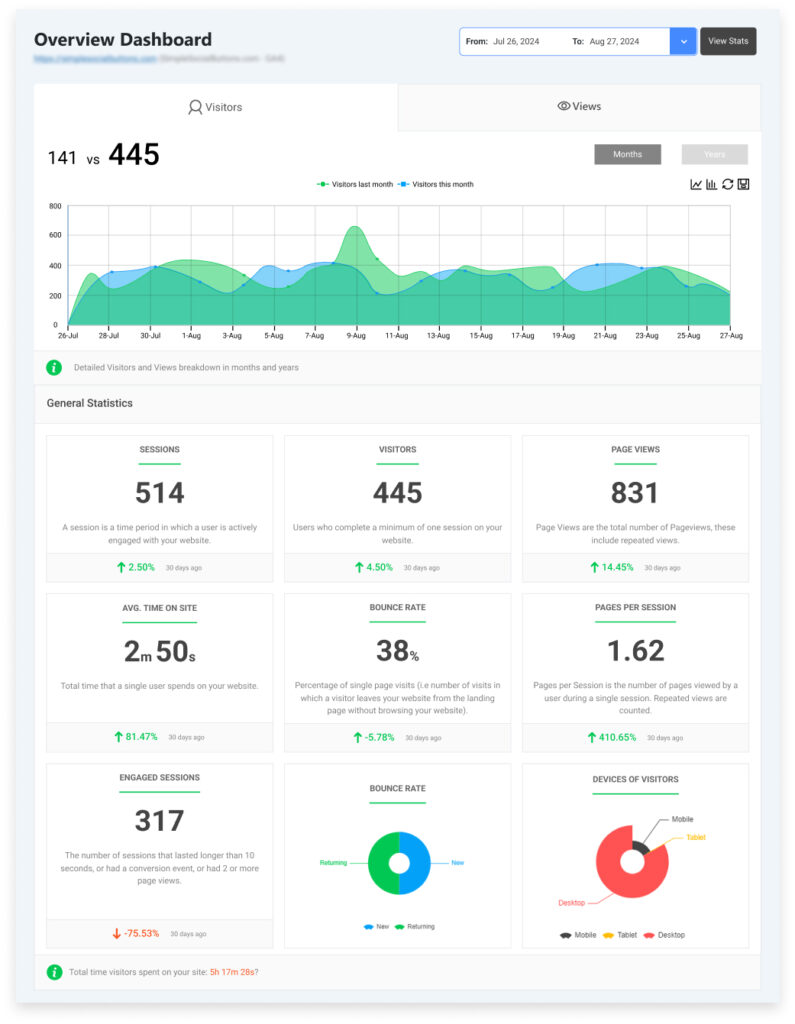
Analytify simplifies Google Analytics data directly inside WordPress.
It’s ideal for teams that want an easy way of using artificial intelligence in analytics without technical complexity.
With Analytify, you can:
- View real-time reports in your dashboard
- Track traffic, conversions, and user behavior
- Automate marketing reports
This makes it easier to understand performance and act on insights quickly.
3. Whatagraph
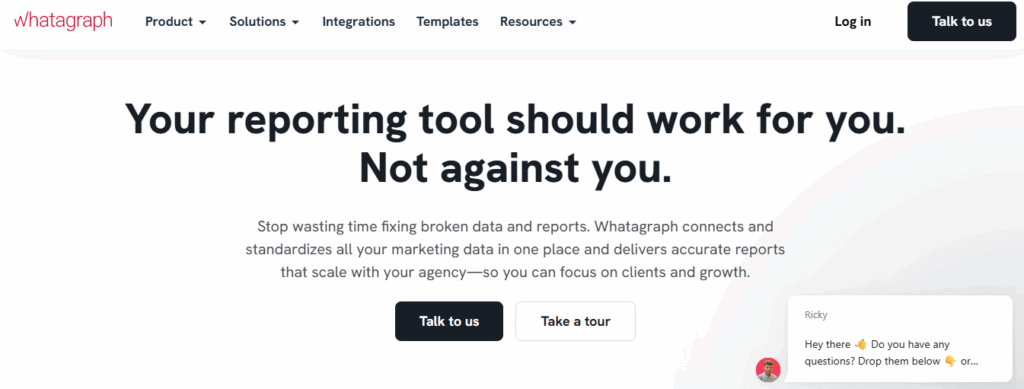
Whatagraph focuses on automated reporting and data visualization.
It helps marketers:
- Combine data from multiple platforms
- Create visual dashboards
- Track campaign performance in real time
It’s useful for agencies and teams managing multiple campaigns.
4. Improvado
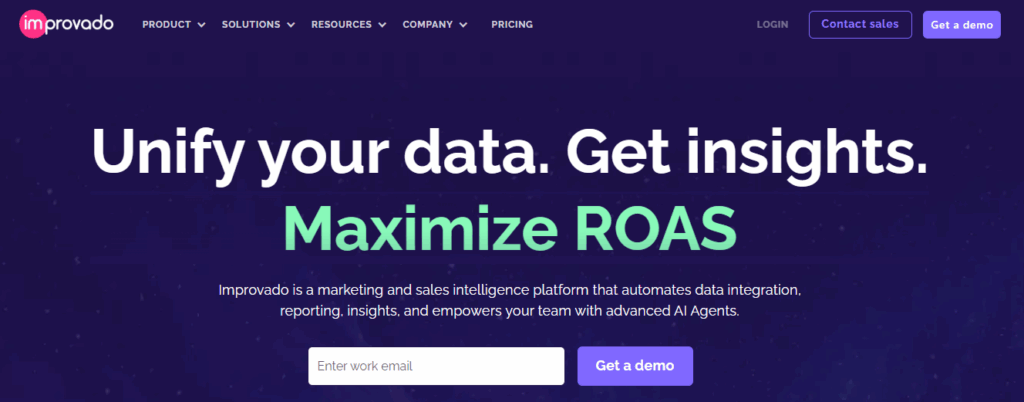
Improvado is designed for marketing data integration.
It allows you to:
- Connect multiple marketing tools
- Build custom dashboards
- Automate data pipelines
This makes it easier to manage large datasets and apply AI predictive analytics in marketing across channels.
Quick Comparison of AI Tools
| Tool | Best For | Key Benefit |
| Google Analytics 4 | Website analytics | Predictive insights and tracking |
| Analytify | WordPress users | Simplified reporting dashboard |
| Whatagraph | Agencies | Visual reports and automation |
| Improvado | Data integration | Centralized marketing data |
How to Overcome Challenges in AI-Driven Marketing Analytics
WWhile AI in marketing analytics offers many benefits, it also comes with challenges.
Businesses must address these issues to get accurate insights and better results when using artificial intelligence in analytics.
1. Data Quality and Accuracy
AI depends on clean and reliable data.
If your data is incomplete or inaccurate, your insights will be misleading.
How to fix it:
- Regularly clean and validate your data
- Remove duplicates and errors
- Ensure proper tracking setup (e.g., GA4 events)
2. Integration Issues
Connecting AI tools with existing systems can be difficult.
This is common when using multiple platforms or legacy systems.
How to fix it:
- Choose tools with built-in integrations
- Use platforms that connect easily with GA4, CRM, and ad tools
- Start with fewer tools to reduce complexity
3. Skill Gaps and Training
AI tools require basic technical knowledge.
Without proper skills, teams may struggle to use them effectively.
How to fix it:
- Provide training for your team
- Use beginner-friendly tools
- Follow tutorials and documentation
4. High Implementation Costs
Some AI tools for marketing analytics can be expensive.
This can be a challenge for small and medium-sized businesses.
How to fix it:
- Start with free or low-cost tools
- Test tools before committing
- Scale as your business grows
5. Resistance to Change
Teams may be hesitant to adopt AI-based workflows.
This can slow down implementation.
How to fix it:
- Educate teams on AI benefits
- Show real results and use cases
- Start with small improvements
6. Ethical Concerns and Bias
AI systems can reflect bias if the data is flawed.
This can affect targeting and decision-making.
How to fix it:
- Ensure fair and unbiased segmentation
- Review data sources regularly
- Monitor AI outputs
Future Trends in AI Marketing Analytics
The future of AI in marketing analytics is focused on automation, real-time decision-making, and deeper personalization.
As businesses continue using artificial intelligence in analytics, marketing workflows will become faster, smarter, and more predictive.
1. Generative AI for marketing content
Generative AI is changing how marketers create content.
Instead of manual work, AI can now:
- Generate ad copy and email campaigns
- Create blog outlines and social media posts
- Personalize content for different audience segments
This allows teams to scale content production without increasing workload.
2. Hyper-personalization using AI
AI is making personalization more precise.
With AI predictive analytics in marketing, businesses can:
- Predict user preferences
- Deliver targeted recommendations
- Customize content in real time
This leads to higher engagement and better conversion rates.
3. Autonomous AI marketing systems
AI is moving toward automation with minimal human input.
These systems can:
- Adjust ad budgets automatically
- Optimize campaigns in real time
- Trigger actions based on user behavior
This reduces manual effort and improves campaign performance.
4. Real-time analytics and instant decisions
Real-time data is becoming the standard.
With advanced AI tools for marketing analytics, you can:
- Monitor live user activity
- Detect performance changes instantly
- Adjust campaigns without delays
This helps businesses respond faster to market trends.
5. AI-driven SEO and Search Insights
AI is transforming how marketers approach SEO.
It helps you:
- Identify high-value keywords
- Analyze search intent
- Optimize content for better rankings
This makes SEO more data-driven and efficient.
6. Smarter Customer Journey Tracking
AI improves how businesses track user journeys.
Instead of basic tracking, AI marketing reporting can:
- Analyze cross-channel behavior
- Identify drop-off points
- Recommend improvements
This leads to better user experience and higher conversions.
Frequently Asked Questions About AI in Marketing
1. What is AI in marketing analytics?
AI in marketing analytics uses artificial intelligence to analyze and interpret marketing data. By leveraging machine learning, natural language processing, and predictive models, it helps businesses uncover insights, forecast trends, and optimize campaigns effectively.
2. How can AI improve marketing decision-making?
AI processes large datasets quickly, providing actionable insights in real time. Using AI predictive analytics in marketing, businesses can:
Forecast customer behavior
Identify high-performing campaigns
Optimize budgets and targeting
This leads to faster, smarter, and more data-driven decisions.
3. What are the best AI tools for marketing analytics?
Some top AI tools for marketing analytics include:
Google Analytics 4 (GA4): Predictive insights and real-time tracking
Analytify: Simplified reporting for WordPress
Whatagraph: Automated visual dashboards
Improvado: Data integration across multiple platforms
Choose tools based on your business size, data sources, and reporting needs.
4. What challenges do marketers face when implementing AI in marketing analytics?
Common challenges while implementing AI in marketing include:
Poor data quality
Integration difficulties
Skill gaps or lack of training
High costs
Resistance to change
Potential bias in AI outputs
Solutions involve proper training, clean data, phased tool adoption, and ongoing monitoring.
Conclusion: AI Analytics in Marketing
AI in marketing analytics helps businesses understand their customers better. By using artificial intelligence in analytics, you can turn data into clear insights, predict customer behavior, and make smarter decisions.
With the right AI tools for marketing analytics, like GA4, Analytify, or Improvado, you can:
- Personalize campaigns for each customer
- Track performance in real time
- Improve your marketing results
Start small:
- Set clear goals
- Pick the right tools
- Check results and adjust
Using AI now can help your business grow faster, reach more customers, and get better results in 2026.
Let AI help you make smarter marketing decisions today.
You may also like to read:
Now, we’d love to hear from you. Which AI marketing analytics tool are you using already?