How to Improve Content Marketing ROI—A Data-Driven Approach

Content Marketing ROI measures how much revenue your content generates compared to what it costs to produce and distribute.
Tracking marketing ROI tells you which content is working, where to invest more, and which efforts to cut.
In this guide, I’ll explain what Content Marketing ROI is, how to calculate it, and 10 proven ways to improve it using data from Google Analytics and Analytify.
Let’s get started!
Content Marketing ROI (TOC):
What is Content Marketing ROI?
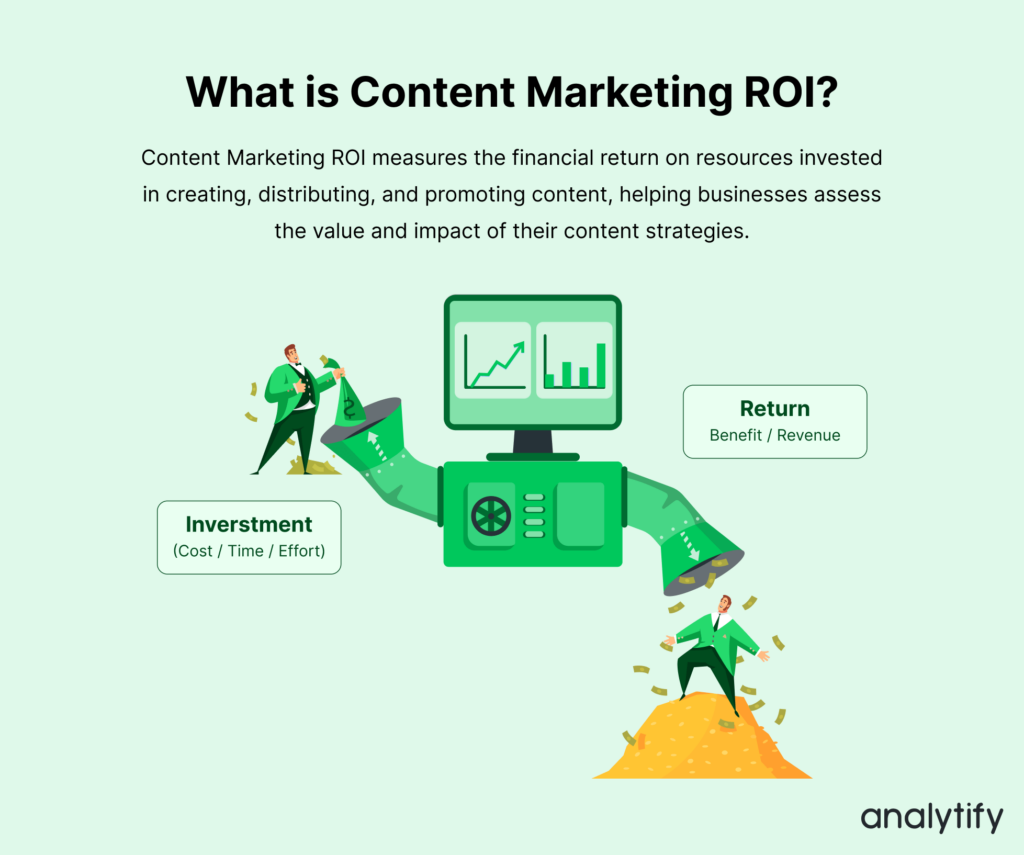
Content Marketing ROI is the financial return you earn from content marketing compared to what you spent on it. It is calculated as: (Revenue from Content – Content Costs) / Content Costs x 100.
For example, you spend $20,000 on content. That content generates $50,000 in revenue. Your ROI is 150%.
A positive ROI means your content is paying for itself and generating profit. A negative ROI means your spend exceeds your returns.
How to Measure Content Marketing ROI?
Content Marketing ROI = ((Revenue from Content – Content Costs) / Content Costs) x 100. A result of 150% means you earned $1.50 for every $1.00 spent.
Steps to Measure Content Marketing ROI:
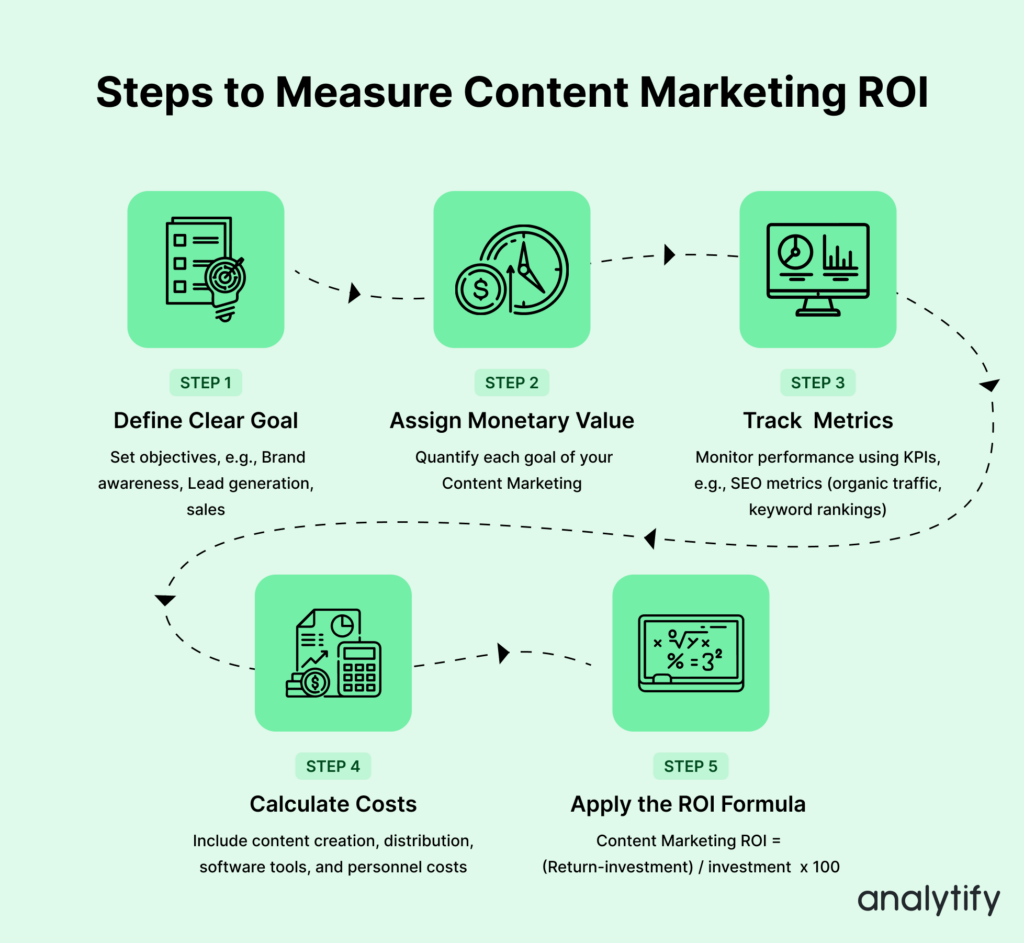
| Step | What to Do | Example |
|---|---|---|
| 1. Set goals | Define what success looks like: leads, sales, traffic, or awareness | Generate 100 new leads per month |
| 2. Assign value | Give each goal a monetary value | 1 lead = $1,000, so 100 leads = $100,000 |
| 3. Track costs | Add up all content-related expenses | Creation $10,000 + Distribution $5,000 + Tools $5,000 = $20,000 |
| 4. Measure revenue | Track revenue directly linked to your content | $50,000 in sales from content-driven leads |
| 5. Apply the formula | ROI = (Revenue – Costs) / Costs x 100 | (50,000 – 20,000) / 20,000 x 100 = 150% |
Apply the ROI Formula: The basic formula for calculating ROI is:
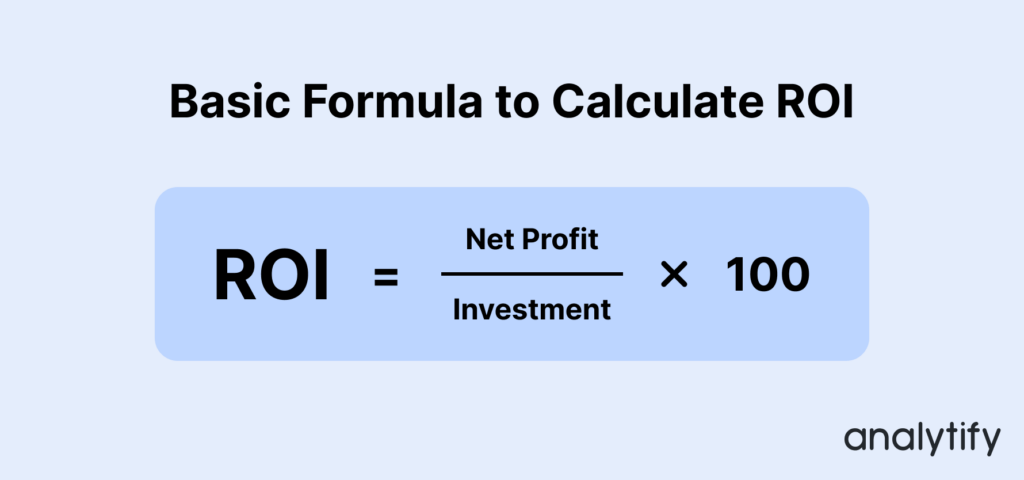
For Content Marketing, ROI can be tailored as follows:
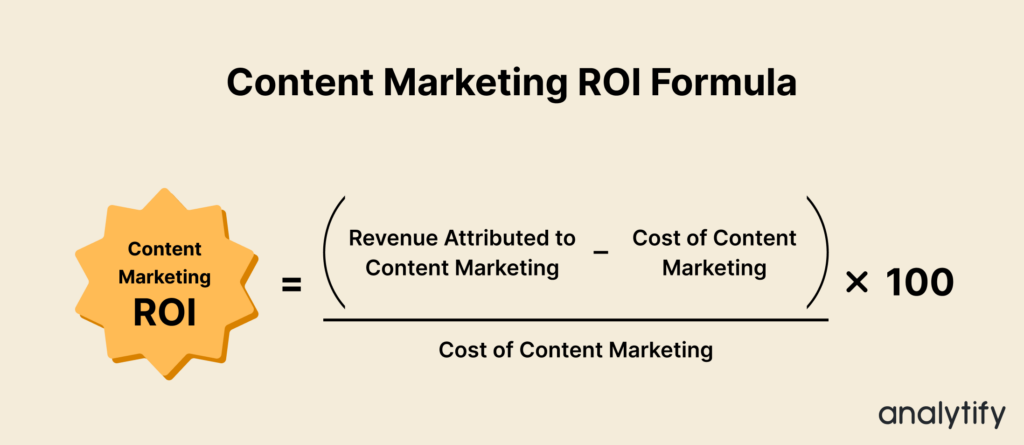
Example:
- Revenue from Content Marketing: $50,000
- Content Marketing Costs: $20,000
ROI= (50,000−20,000 / 20,000) ×100=150%
This indicates a 150% return on your content marketing investment.
Why should you focus on Content Marketing ROI?
Focusing on Content ROI ensures your budget goes toward content that generates real results. It replaces guesswork with data.
| Reason | What It Means in Practice |
|---|---|
| Maximize budget | Invest only in content types and channels that deliver measurable returns |
| Improve performance | Identify what works and replicate it; cut what does not |
| Boost revenue | Optimizing for ROI directly increases conversions and sales |
| Save time and resources | Prioritize high-impact activities and stop wasting effort on low-ROI content |
| Build long-term returns | Strong content compounds: it drives leads, sales, and brand loyalty over time |
| Build stakeholder trust | Showing positive ROI proves the value of content to management and clients |
10 Proven Ways To Improve Content Marketing ROI
Each method below is actionable and measurable. Use Analytify alongside GA4 to track the impact of each change.
1. Track the Content ROI Metrics That Actually Matter
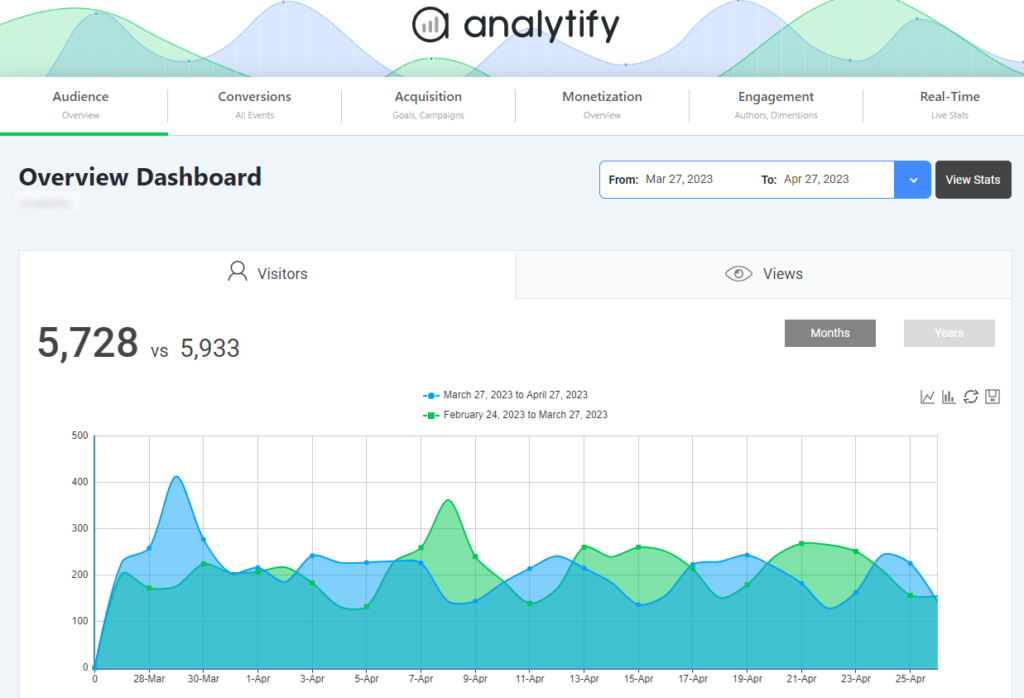
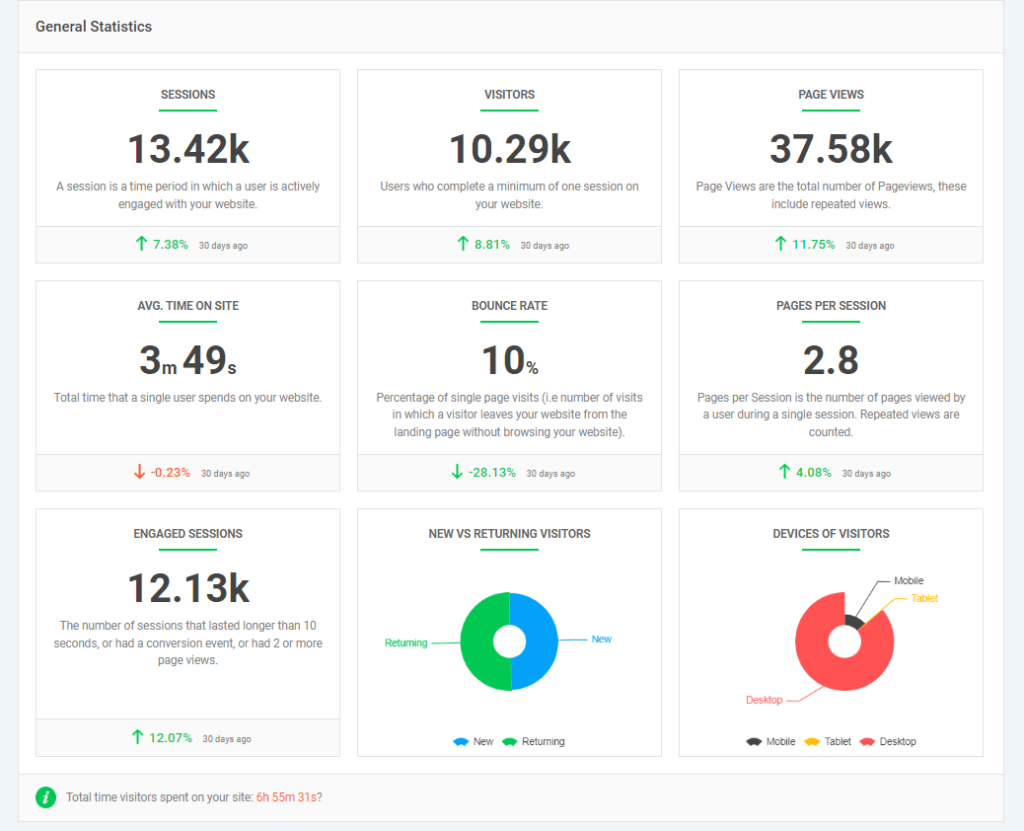
The most important content ROI metrics are traffic, bounce rate, session duration, conversion rate, and goal completions. These tell you whether your content is engaging and converting visitors.
| Metric | What It Tells You | Where to Find It |
|---|---|---|
| Page views | How much traffic a piece of content attracts | GA4 Engagement > Pages and Screens |
| Bounce rate | Whether visitors engage or leave immediately | GA4 Engagement > Pages and Screens |
| Session duration | How long users spend reading your content | GA4 Engagement Reports |
| Conversion rate | What percentage of readers take action | GA4 Conversions Report |
| Goal completions | How many users complete a desired action | GA4 Conversions or Analytify Goals |
Join 50,000+ beginners & professionals who use Analytify to simplify their Google Analytics!
With Analytify, you can easily monitor these key performance indicators (KPIs) through intuitive reports.
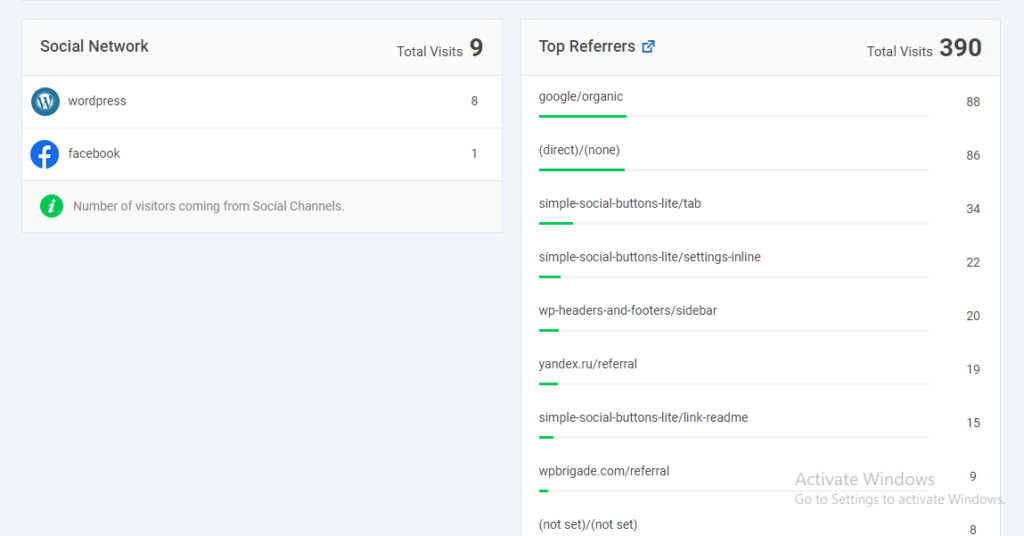
2. Analyze Top Referrers to Understand Traffic Sources
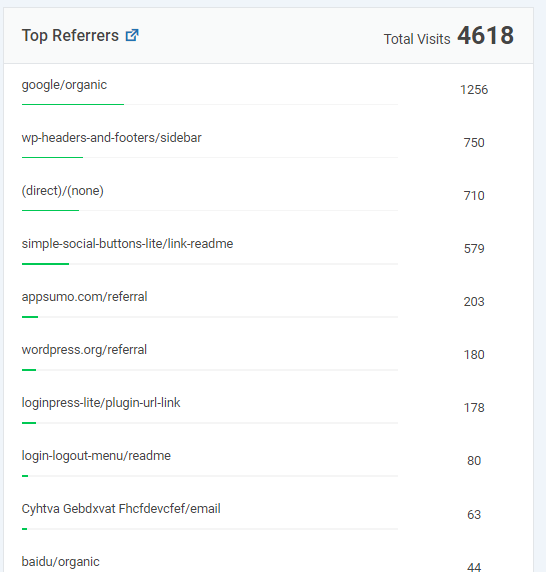
Knowing which external sources send your highest-quality traffic helps you focus distribution efforts where they have the most impact.
Not all traffic is equal. A visit from a trusted industry site converts far better than random social traffic.
What to look for in your referral data:
- Which referrers send the most engaged visitors (low bounce, long session)
- Which referrers drive the most conversions
- Which partnerships or backlinks are generating real ROI
Tip: Analytify’s Top Referrers Report shows every site sending traffic to you, ranked by volume. Use it to identify which partnerships and backlinks deliver the best results.
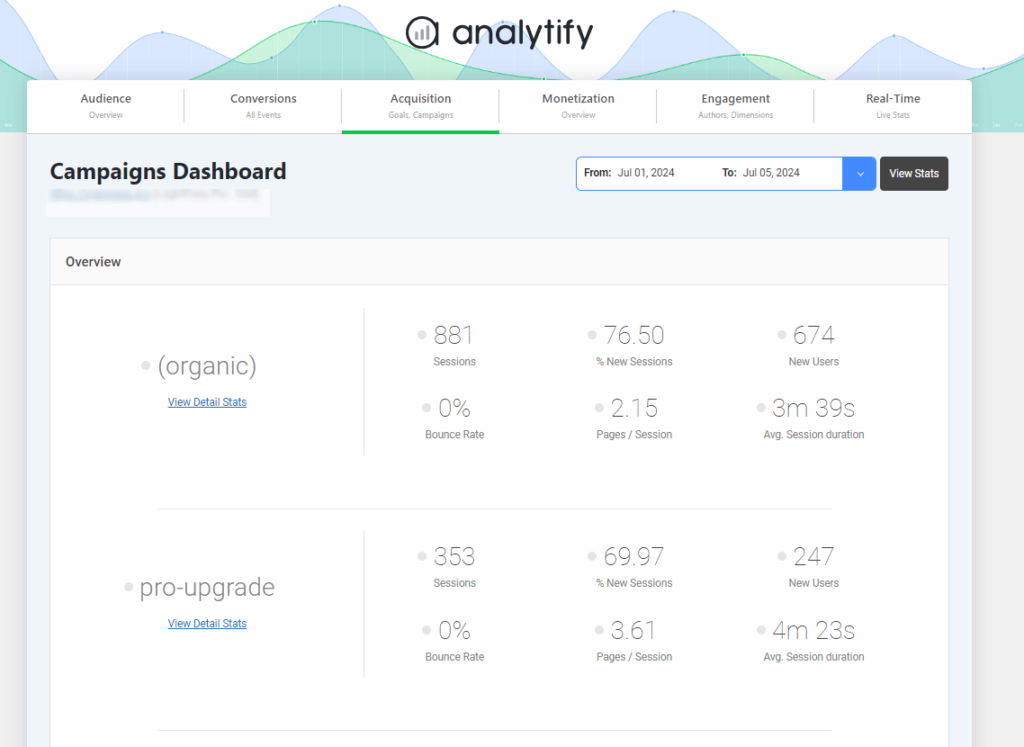
3. Use Campaign Tracking to Measure Each Marketing Channel
UTM campaign tracking shows you exactly which channels, emails, and ads are driving traffic and conversions. Without it, you cannot see which marketing spend is working.
How to set up campaign tracking:
- Add UTM parameters to every link in your campaigns: source, medium, campaign name.
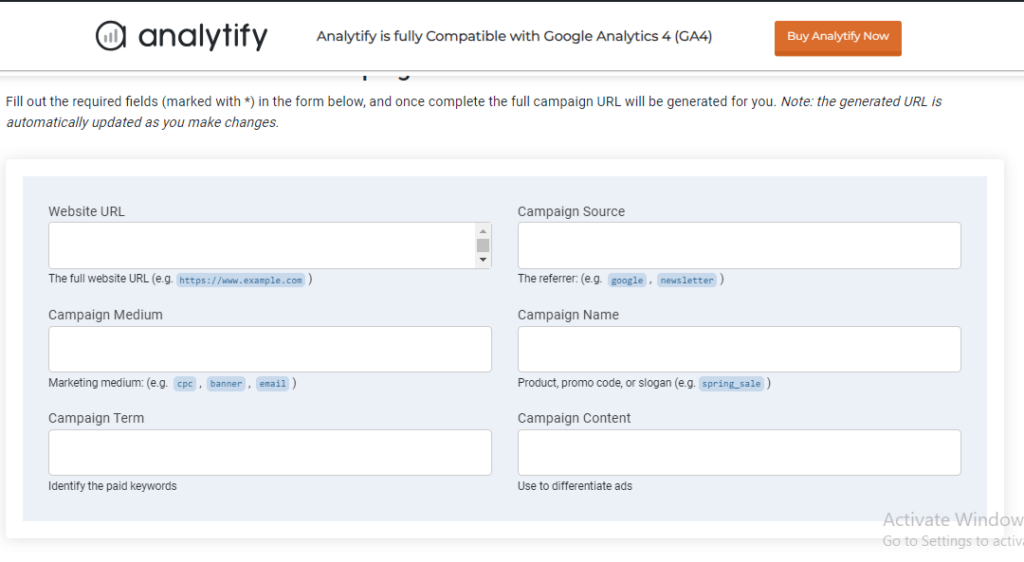
- Use Analytify’s UTM URL Builder to generate clean tracking URLs.
- Check the Campaign Tracking Dashboard to see which channels drive the most conversions.
Tip: Consistent UTM tagging is the single most important step for proving ROI from email, social, and paid campaigns.
4. Set Clear Goals and Custom Alerts for Performance Changes
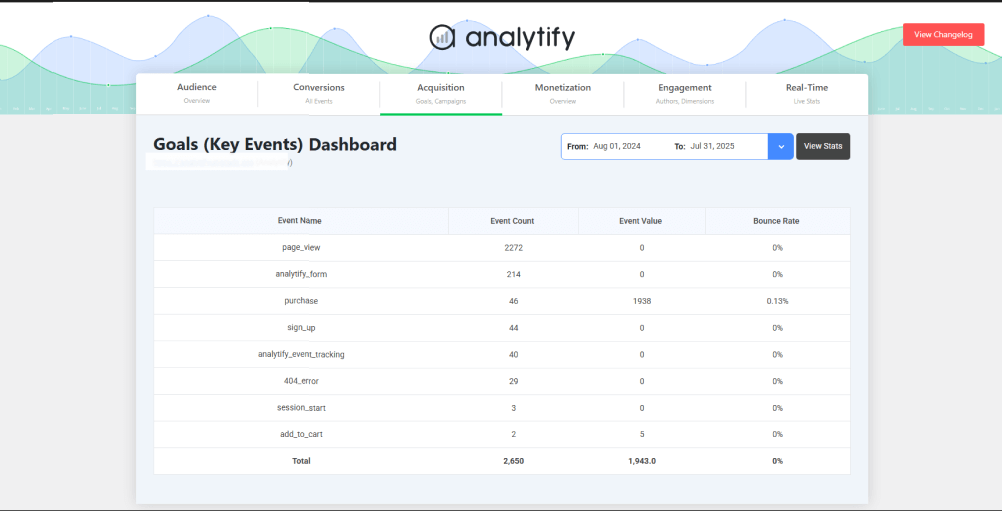
Setting measurable goals gives you a benchmark to compare against. Custom alerts notify you instantly when metrics shift so you can act quickly.
Two tools to use in Analytify:
- Goal Tracking Addon: measures conversions and ties content directly to business outcomes
- Email Notification Addon: sends instant alerts when traffic drops or spikes outside your set range
Together, these tools let you monitor ROI continuously without checking dashboards manually every day.
5. Optimize Content for SEO
SEO optimization ensures your content ranks in search engines and attracts organic traffic. Organic traffic has no cost per click, which directly improves content ROI.
On-page SEO checklist:
- Use your target keyword in the title, first paragraph, and at least two H2s
- Write a compelling meta description that includes the keyword and a clear benefit
- Add internal links to related articles to keep users on your site longer
- Structure content with H2 and H3 headings for easy scanning
Technical SEO checklist:
- Ensure pages load in under 2.5 seconds
- Make sure your site is fully mobile-responsive
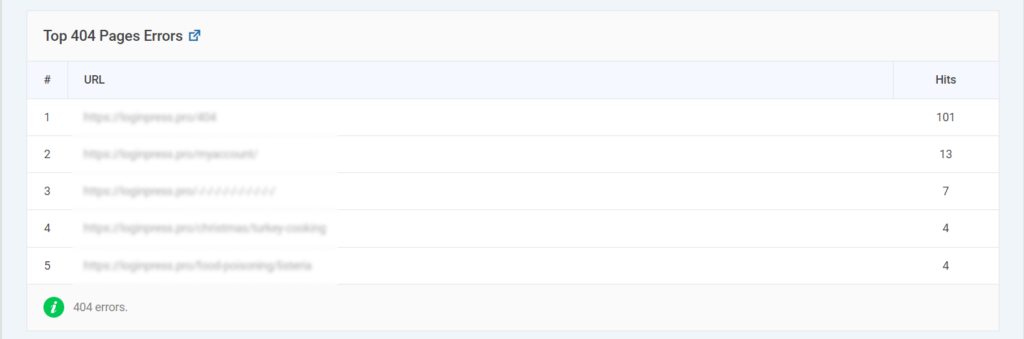
- Fix all broken links and 404 errors
- Submit your XML sitemap to Google Search Console
Tip: Analytify’s 404 Error Report identifies broken links inside WordPress. Fix them quickly to protect both user experience and SEO rankings.
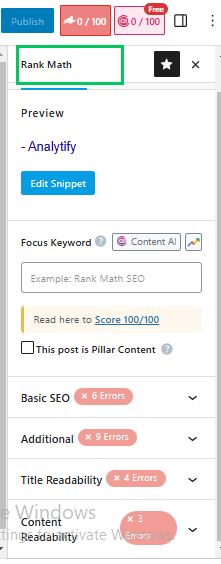
To streamline your on-page SEO efforts, a tool like RankMath can simplify optimization tasks and ensure you cover essential SEO elements. Other on-page SEO tools include Yoast SEO, Ahrefs, SEMrush, etc.
6. Conduct Keyword Research Before Creating Content
Keyword research ensures you create content people are actively searching for. Targeting the right keywords increases organic traffic and improves the ROI of every piece you publish.
How to use keyword data to improve ROI:
- Focus on keywords with clear intent: informational, commercial, or transactional
- Identify keywords where you can realistically rank (check competition)
- Use Search Console data to find keywords already driving impressions but few clicks
- Optimize existing pages for near-ranking keywords before creating new content
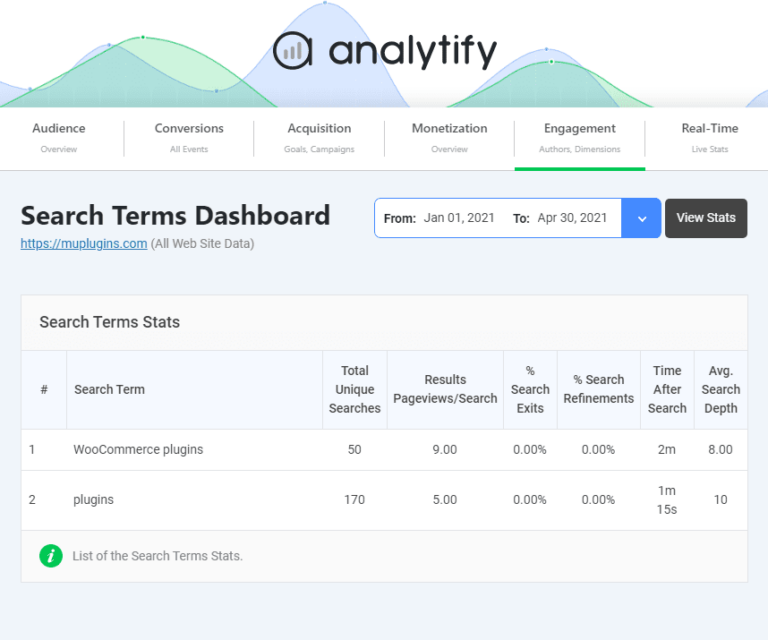
Tip: Analytify’s Search Term Dashboard shows which keywords bring users to your site. Use it to find ranking opportunities and refine your content strategy.
7. Use the Right Distribution Channels for Content Marketing Success
Content marketing success depends on distribution as much as content quality. Getting the right content in front of the right audience at the right time is what drives ROI.
| Channel Type | What It Is | Best For |
|---|---|---|
| Owned Media | Your website, email list, social profiles | Nurturing existing audience at no direct cost |
| Earned Media | Organic shares, mentions, PR coverage, backlinks | Reaching new audiences without paid spend |
| Paid Media | PPC ads, paid social, native advertising | Fast reach and targeting high-value audiences |
The highest-ROI approach combines all three. Use owned channels first, earn distribution through quality, and use paid to amplify what already performs well.
Analytify tools for tracking distribution:
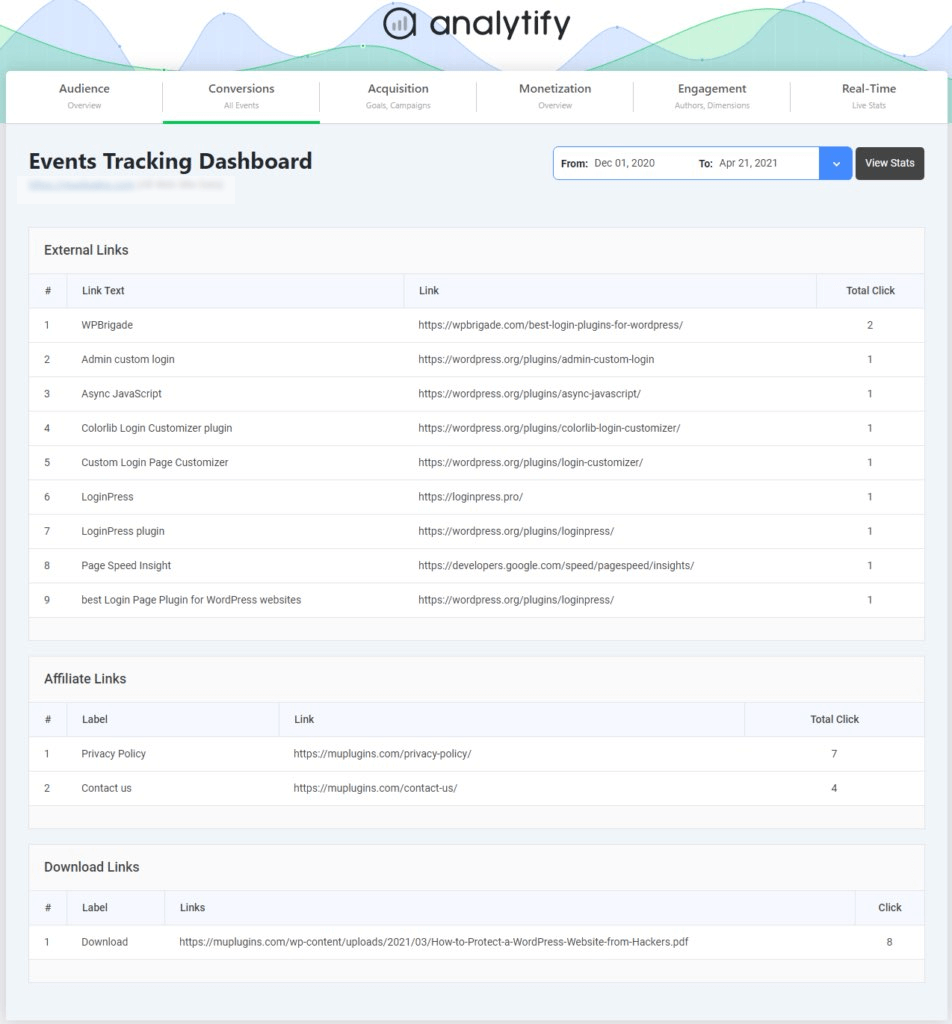
- Event Tracking Addon: tracks social shares, video plays, and email sign-up clicks across channels
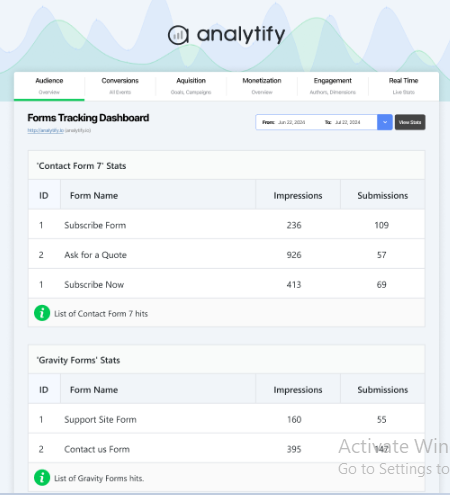
- Form Tracking Addon: measures lead generation from forms on landing pages and blog posts
8. Focus Budget on Your Top-Performing Traffic Sources
Concentrating your time and budget on the traffic sources that deliver the most qualified visitors is one of the fastest ways to improve content marketing ROI.
How to identify and focus on top sources:
- Open Analytify’s Traffic Sources Report.
- Sort by conversion rate, not just volume.
- Identify the top 2 to 3 sources driving real results.
- Redirect budget and effort toward those channels.
- Reduce or pause investment in low-converting channels.
Tip: A source sending 100 highly targeted visitors often outperforms one sending 10,000 low-intent visitors. Always judge by conversion rate, not traffic volume.
9. Repurpose High-Performing Content
Repurposing top-performing content extends its lifespan and reach. It is more cost-effective than creating new content from scratch and directly improves content marketing ROI.
Ways to repurpose content:
- Turn a high-traffic blog post into a video or short-form social series
- Convert a data-rich article into an infographic
- Compile a series of related posts into a downloadable guide or ebook
- Update old posts with new data and republish them to recover lost rankings
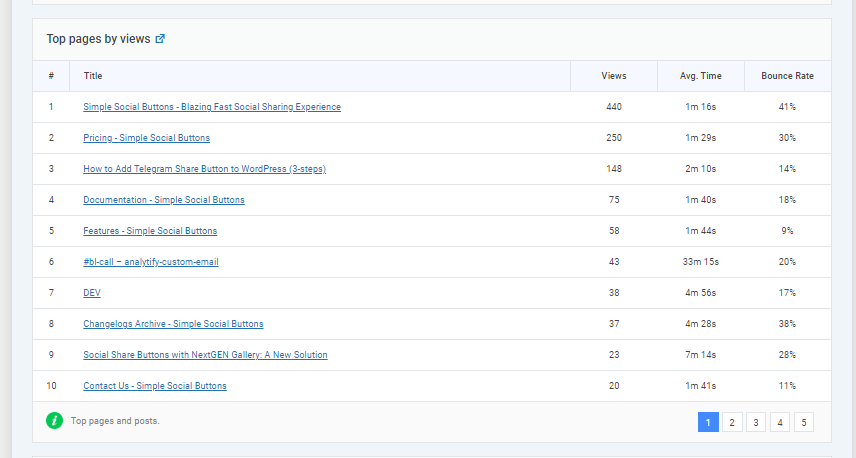
Tip: Use Analytify’s Top Pages by Views Report to identify which content is worth repurposing. Focus on pieces already generating traffic and engagement.
10. Measure and Optimize Engagement Metrics
Engagement metrics show whether your content keeps users interested. High engagement correlates directly with higher conversion rates and better content marketing ROI.
| Engagement Metric | What It Measures | What a Low Score Signals |
|---|---|---|
| Time on page | How long users read your content | Content is not relevant or too hard to read |
| Scroll depth | How far down users read | Content loses interest after the intro |
| Bounce rate | Users who leave without clicking anything | Content does not match user intent |
| Engaged sessions | Sessions with 10+ seconds of activity or 2+ page views | Overall content quality and relevance |
| CTR from search | Clicks per impression in search results | Title and meta description need improvement |
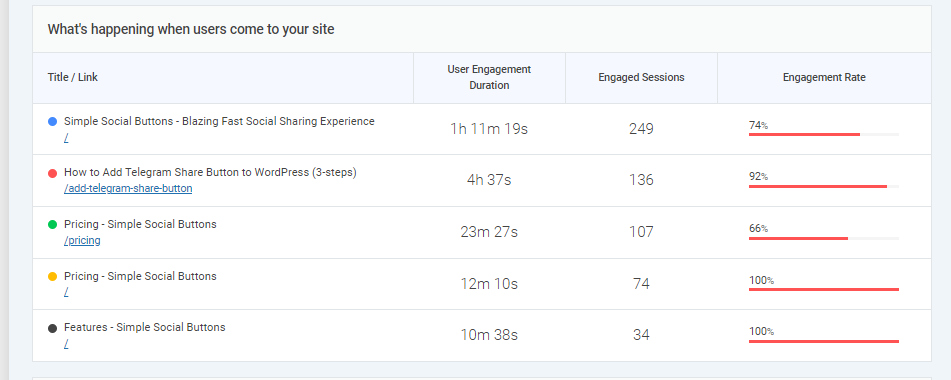
Tip: Analytify displays all key engagement metrics in your WordPress dashboard. Check them after publishing new content to see how users respond.
With Analytify’s analytics, you can instantly track engagement as users navigate your content, identifying which pieces keep users engaged the longest.
Quick Reference: 10 Ways to Improve Content Marketing ROI
| Method | Key Action | Analytify Tool |
|---|---|---|
| 1. Track content ROI metrics | Monitor traffic, bounce rate, conversions | Overview Dashboard |
| 2. Analyze top referrers | Find and grow your best traffic sources | Top Referrers Report |
| 3. Campaign tracking | Tag all campaigns with UTM parameters | Campaign Tracking Addon |
| 4. Goals and alerts | Set conversion goals, get notified on changes | Goal Tracking + Email Notification Addons |
| 5. SEO optimization | Fix technical issues, optimize on-page elements | 404 Error Report |
| 6. Keyword research | Create content for terms people search for | Search Term Dashboard |
| 7. Distribution channels | Use owned, earned, and paid media together | Event Tracking + Form Tracking Addons |
| 8. Top traffic sources | Put budget where conversion rates are highest | Traffic Sources Report |
| 9. Repurpose content | Extend high-performers into new formats | Top Pages by Views Report |
| 10. Engagement metrics | Identify and improve underperforming content | Engagement Reports |
Content Marketing ROI FAQs
1. What is content marketing ROI?
Content Marketing ROI is the return you earn from content marketing relative to what you spent. It is calculated as: (Revenue from Content – Content Costs) / Content Costs x 100. A result of 150% means you earned $1.50 for every $1.00 invested.
2. Why is it difficult to measure marketing ROI?
Content marketing ROI is hard to measure because results are often delayed. A blog post might drive leads months after it is published. Multi-touch attribution also makes it difficult to credit content for assists earlier in the buyer journey. The solution is to set clear goals, track UTM parameters, and use tools like GA4 and Analytify to connect content to conversions.
3. What type of content has the highest ROI?
The content types with the highest ROI are:
SEO-optimized blog posts: they drive organic traffic continuously with no ongoing cost
Email newsletters: high conversion rates from an already-engaged audience
Case studies and success stories: they directly support sales conversations
Video content: high engagement rates and easy to repurpose across channels
4. Does paid promotion improve content marketing ROI?
Yes, when used correctly. Paid promotion works best when you amplify content that already performs well organically. Promoting a low-quality piece with paid ads wastes budget. Use paid media to boost proven content and reach high-intent audiences that your organic reach does not cover.
5. How do content distribution channels affect ROI?
Different channels reach different audiences at different costs. Owned channels (email, website) have no direct cost per reach. Earned channels (backlinks, shares) reach new audiences for free. Paid channels scale reach quickly but cost money. The highest ROI comes from combining all three: publish, earn distribution through quality, and use paid to amplify winners.
6. Which social media platform has the best ROI?
Instagram, Facebook, and YouTube currently offer the highest return on investment (ROI) among social media platforms. However, the best platform for your business will depend on your specific goals, target audience, and content strategy.
7. How can I increase content marketing ROI with limited budget?
The most cost-effective approach to increase content marketing ROI is to focus on the content you already have. Identify your top-performing pages in Analytify, update them with new data, optimize them for higher-intent keywords, and repurpose them into other formats. This costs less than creating new content and compounds existing results.
Final Thoughts: Improve and Increase Content Marketing ROI
Improving Content Marketing ROI is not about creating more content. It is about making smarter decisions with the content you already have.
The three most important steps to increase content marketing ROI are:
- Track the right metrics. Use GA4 and Analytify to monitor traffic, conversions, and engagement for every piece of content.
- Focus on what works. Double down on the channels, content types, and topics that consistently deliver results.
- Optimize before you create. Update and repurpose high-performing content before investing in net-new pieces.
Analytify makes all of this easier for WordPress users. It brings GA4 data into your dashboard so you can monitor performance, track campaigns, and measure ROI without switching between tools.
For more tips on enhancing your email marketing strategies, read this guide on Email Marketing Best Practices.
Want a bigger-picture view of your site performance? See How to Build a Website Analytics Dashboard for Your Business.
Have questions about measuring or improving your Content Marketing ROI? Leave a comment below.